Rising Ocean Disruptions Linked to Today’s Rocket Debris Fragments
As more launch material lands in nearby seas, coastal ecosystems show early stress signals. Learn how debris exposure is influencing wildlife, habitats, and shoreline recovery.

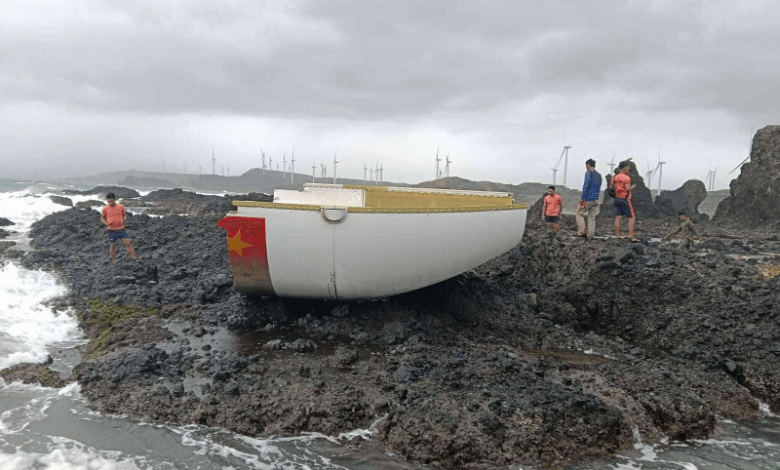
Coastlines near spaceports used to worry about storms and oil spills. Now they also face fragments from launch failures and pad blowouts that can ride currents into nesting and fishing grounds. Recent Starship mishaps near the US–Mexico border made headlines after debris turned up along beaches in Tamaulipas, prompting federal scrutiny and a cross-border clean-up dispute.
What Actually Reaches The Shoreline
Most “rocket debris” is not one dramatic chunk. It is a mix of light plastics, insulation foams, composites, tape-like adhesives, and scorched metal shards. Small pieces behave like micro-trash: they snag in wrack lines, get buried in dunes, and can be mistaken for food by shorebirds and fish. Larger items can crush dune plants or block turtle crawl paths, while sharp edges raise entanglement and injury risks for marine mammals and seabirds.
Why Turtle Beaches Are Especially Vulnerable
Timing matters. In northeastern Mexico, reports of debris arriving close to sea turtle nesting and hatching windows raised fears that scattered fragments could obstruct hatchlings or add ingestion hazards in the surf zone.
The Hidden Impacts Beyond Litter
Even when hardware is recovered, launches can still stress coastal systems. Environmental reviews for active ranges discuss overpressure, noise, and potential debris fall zones that overlap essential fish habitat and protected species ranges. Satellite research has linked the rise in launch cadence around Cape Canaveral with changes in barrier-island vegetation cover and dune elevation—subtle shifts that can amplify erosion after major storms.
Coastal ecosystems can recover, but only if debris removal is fast, reporting is transparent, and liability is clear across borders.