Coastal Cities That Could Be Underwater by 2050 – The Urgent Threat of Rising Seas

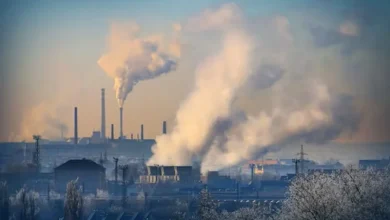
A number of the most active urban centers of the world may be partially covered or even drowned by the sea level and climate changes by 2050. This has been a world crisis fastened by rapid urbanization, melting polar ice, Ocean Plastic Waste, and extreme weather patterns. According to greenroofs.com, millions of people reside in regions that are already at risk of frequent flooding, such as from Tokyo to Jakarta. Climate scientists believe that unless an urgent intervention is taken, these famous metropolises — including Indian Coastal Cities — might suffer irreparably in the form of infrastructure, culture, and economy. A closer examination of the largest cities most susceptible to the increasing tides is presented below, and the information about what contributes specifically to the exposure of these cities to the upcoming environmental catastrophe is provided.
Coastal Cities Most at Risk of Submersion by 2050
| Rank | City | Country | Population | Key Landmarks | Major Concern |
| 1 | Tokyo | Japan | 37,435,191 | Odaiba, Miraikan Museum, Tokyo Skytree | Low-lying coastal zones prone to tsunamis and rising tides |
| 2 | Mumbai | India | 20,185,064 | Gateway of India, Haji Ali Mosque | Sea-level rise threatening coastal infrastructure |
| 3 | New York City | USA | 20,140,470 | 9/11 Memorial, Battery Park, Ellis Island | Frequent storm surges and coastal flooding |
| 4 | Osaka | Japan | 19,222,665 | Osaka Aquarium, Umeda Sky Building | Sinking land combined with rising sea levels |
| 5 | Istanbul | Turkey | 15,415,197 | Byzantine Walls, Eminonu | Coastal erosion and sea encroachment in historic districts |
| 6 | Kolkata | India | 14,974,073 | Eden Gardens, Dakshineswar Temple | Vulnerable delta region along the Bay of Bengal |
| 7 | Bangkok | Thailand | 10,722,815 | Wat Arun, Mueang Boran | Rapid sinking due to groundwater depletion |
| 8 | Jakarta | Indonesia | 10,562,088 | Ancol Beach, Thousand Islands | Sinking up to 10 inches per year; relocation underway |
| 9 | London | United Kingdom | 9,425,622 | London Eye, Greenwich | Thames flooding risks despite existing barriers |
Rising Seas and Urban Vulnerability
These worldwide cities have a root in common, that is, location and density. They are constructed upon river deltas, on reclaimed land, or close to coastlines, making them extremely susceptible to climate change impacts. An example is Jakarta, which has already started transferring its capital to Borneo because of serious land subsidence. Equally, there is a threat of heavy rainfall and sea-level rise in Bangkok. In the meantime, New York City and London depend on elaborate flood-defense systems, but experts have cautioned that they will be unable to resist the increase in global temperatures and ocean levels that are predicted to occur by the middle of the century.
An Appeal to Action on Climate Change
It is not just the infrastructure that is at stake, but millions of lives, livelihoods, and historical sites are also in danger. Scientists underline sustainable urban planning, green infrastructure, and international cooperation as the key to reducing the losses in the future. By constructing sea walls, restoring wetlands, and minimizing carbon emissions, the cities located close to the coasts need to postpone the inevitable. Without the immediate adjustment, many of these global centres might find themselves having some of their scenery being submerged indefinitely under the waters.
FAQs
Q1: Which city is the most rapidly sinking?
Jakarta, Indonesia, is already becoming one of the most rapidly sinking cities, with some areas of the city subsiding at an average rate of 10 inches per year.
Q2: Is it possible to reverse the increasing sea levels?
Although the level of the sea cannot be undone, such mitigation measures as carbon dioxide reduction and coastal shields can be used to decrease the rate of increase.
Q3: What are the steps cities are undertaking?
London and New York are increasing flood barriers and drainage, and Jakarta is constructing a new inland capital.
Q4: Why do Asian cities get into more trouble?
The many megacities that Asian countries have erected in areas close to deltas or along low-lying coastlines are highly susceptible to flooding and land subsidence.