

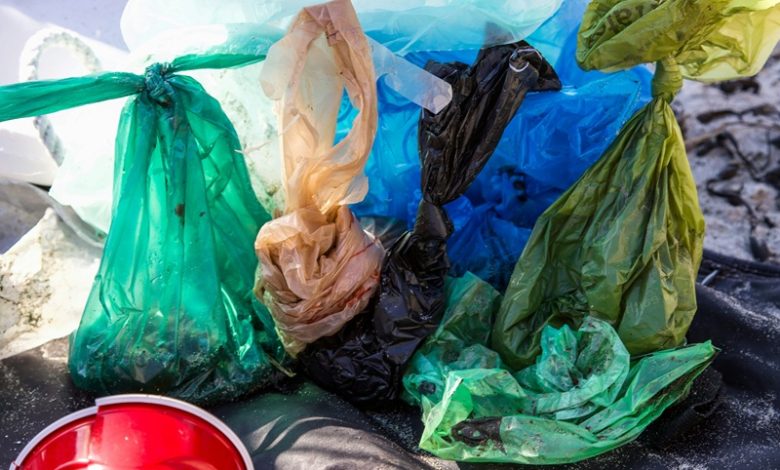
Plastic pollution is now an international bane, as each year, millions of tons of the material enter oceans and landfills and adversely affect wildlife and eco-systems. Packaging, single-use products, and everyday products add to great plastic waste produced in the average household and require centuries to decompose. Nevertheless, simply substituting and switching to conscious consumption patterns can help to cut your portion of plastic waste by half, spending less money and preserving nature.
Replace Single-Use Items
Use reusable bottles of water rather than purchasing disposable bottles which are made of plastic-given the option of having a filter placed in the home to have clean water to reuse. Shopping bags should be used instead of plastic bags, which require more than 500 years to break. Carry reusable coffee cups to cafes since most of them provide customers with a discount when they use their own cups.
Replacement of plastic wrap with reusable food containers with lids when storing leftovers and in packing lunches. Another alternative to cling film that is sustainable is beeswax wraps: they contain cotton, pine resin, and jojoba oil, which are washable and reusable.
Smart Shopping Habits
Store in large quantities and use your own containers when purchasing dry goods, grains, nuts, and cleaning products so that there is no waste in the packages. Buy in the farmers market where food does not have to be in plastic bags, and carry reusable bags and containers. Use the least packaging on products and do not buy items that are covered in numerous plastic layers.
When purchasing second-hand products, buying second-hand to prolong the life of their products and decrease the need to buy new plastic products. Exchange with friends or go online with marketplaces instead of buying new.
Kitchen and Food Changes
Replacing tea bags with loose-leaf tea will reduce the presence of microplastics and nylon in them. Eat at home more often to ensure there is less waste in the form of packaging that is used in takeouts, and when ordering food, avoid unnecessary plastic cutlery and sauce packets. Plant herbs and vegetables in reused containers to prevent using plastic-wrapped products.
Purchase meat at the nearby butcheries in your reusable containers rather than receiving polystyrene wrappings. Prepare homemade cleaning products with vinegar, baking soda, and dish soap positioned in reusable bottles.
Laundry and Cleaning Swaps
Replace plastic bottle detergent with laundry detergent strips or boxed powder detergent. Do not wash clothes as often in cold water and look at all-load machines with micro fiber filters to trap plastic materials that are emitted during the washing. Use Wool dryer balls and white vinegar as natural softeners of fabric.
Proper Disposal and Recycling
What you take home- Before you throw, consult your local recycling program to know what types of plastics are accepted because not all types of plastics are recyclable. Groceries should take back plastic bags and plastic film in collection containers because they cannot be collected along with the household waste. Place lids in garbage bins so that plastic waste is not carried by wind and animals.
Small Changes, Big Impact
Making environmentally significant changes, even minor ones, will have a significant positive impact when implemented over time. Begin with one or two changes, and add more sustainable habits to your routine in a slow manner.