What Happens to Your Recycled Waste? The Journey From Bin to Rebirth
Recycling Process: Journey From Waste to New Products — Learn how your trash is collected, sorted, and transformed into useful items that save energy and nature

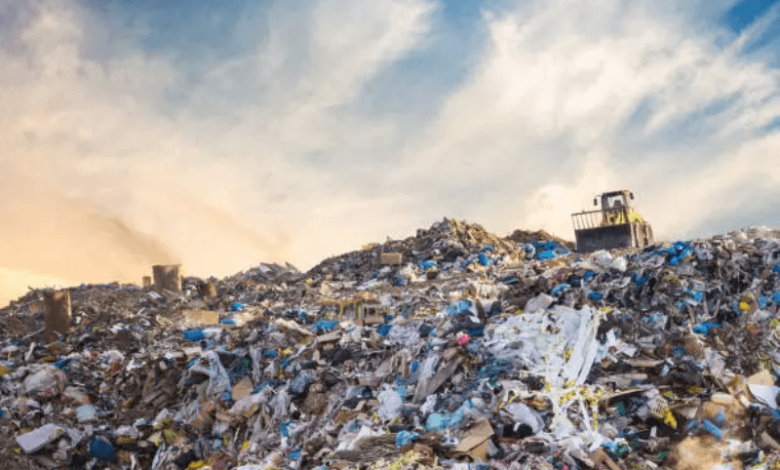
When you submit a plastic bottle or cardboard box into the recycling bin, it may feel like the last stop on this journey. However, this is only the beginning. Your recycled waste goes through an intricate process to re-enter the world as something new – certainly something that is scattered, cleaner, greener, and even worth more than it was before!
Collection and Transportation
Once you have sorted your waste into the recycling bin, municipal workers or a private waste collection service pick up your recycling and transport it to a Material Recovery Facility (aka MRF). This is where the real magic happens!
The truck arrives at the MRF with a load of mixed recyclables – plastics, glass, metals and paper – and is unloaded and prepared to sort materials by type and grade.
Sorting and Cleaning
When waste comes into the MRF, machines and workers will incorporate conveyor belts, air classifiers and magnets to sort the items. Once in the MRF, plastics are sorted by resin codes, and metals are separated more easily using magnets and eddy currents. Paper and cardboard are screened out, while potentially not clean enough for recycling, removing all food residue/grease contaminants.
Cleaning along the path of sorting is commonly included to remove contaminants. For example, usually plastic bottles are shredded, then washed to remove the labels and caps. Clean recyclables are acceptable for the next phase of recyclables – reclaiming!
Processing and Transitioning
After sorting and cleaning, materials are processed into raw materials. Broken glass becomes cullet, metals become ingots, and paper becomes pulp. These raw materials are then sold to manufacturers, who use them to make new products, such as recycled plastic bottles, metal cans, or notebooks made from old paper.
Aluminium, for example, can be back on the store shelf within 60 days once it has been processed into a new product. It is one of the least energy-intensive materials to recycle.
Re-entering the Market
After the materials have been converted, they are back on the market as new products. Each time you purchase an item made from recycled content, you have completed the recycling loop. You have contributed to resource conservation and reducing landfill waste.
Why Recycling is Important
The recycling process has impacts beyond waste management; it can be part of a sustainable life. Each item you recycle saves energy, reduces greenhouse gas emissions, and reduces the need for virgin materials. So, you should be proud the next time you rinse out a jar or flatten a box; you are not just recycling waste; you are creating a future for the planet.