Nations Face Record High Greenhouse Gas Concentrations and Rising Risks
With Record High Greenhouse Gas Concentrations Underscore Need For Urgent Action, updates show rising heat levels, uneven rain, and new climate pressures affecting daily life worldwide.

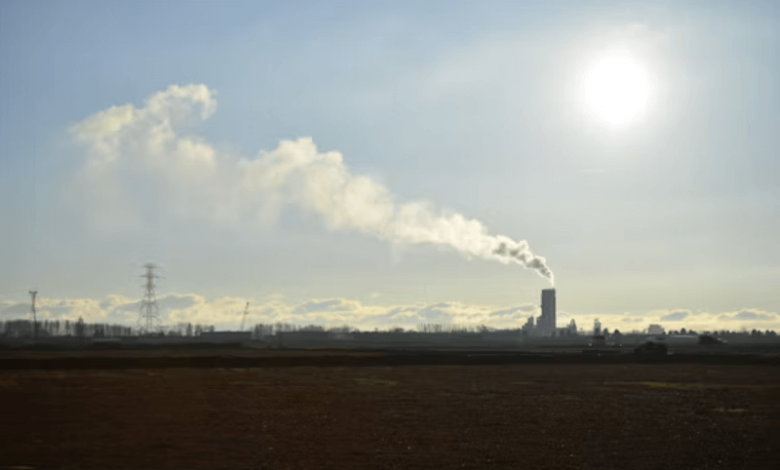
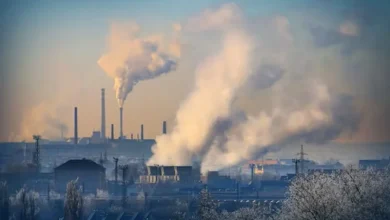
Atmospheric greenhouse gases have reached new peaks, and the rise has stayed stubborn. Cities feel it first. Hotter nights, sticky mornings, and longer heat spells that refuse to break. Rural areas feel it too, just differently, with uneven monsoons and crop stress. Officials keep pointing to “targets”, but the atmosphere keeps collecting emissions like a ledger that never forgets. And yes, that irritates many climate watchers. Because the numbers keep going up, even as speeches keep going on.
Understanding What Greenhouse Gases Are
Greenhouse gases trap heat in the lower atmosphere. The idea is simple: sunlight arrives, Earth warms, heat tries to leave, and certain gases slow that exit. Carbon dioxide (CO₂) comes mainly with coal, oil, gas, cement, and land clearing. Methane (CH₄) rises via oil and gas leaks, livestock, rice paddies, and waste. Nitrous oxide (N₂O) links strongly to fertiliser use. These gases do not act equally. Methane warms faster in the short term, while CO₂ hangs around far longer. That long hang-time is the quiet problem.
Latest Data Showing Record High Concentrations
Monitoring stations across continents keep tracking the same direction: up. The annual curve wiggles a bit with seasons, but the line climbs over years. The worrying part is pace. When concentrations rise quickly, climate systems get less time to adjust, and planning gets messy.
| Gas | Pre-industrial level (approx.) | Recent level (approx.) | Why it matters |
| CO₂ | ~280 ppm | 420+ ppm | Long-lasting warming pressure |
| CH₄ | ~700 ppb | 1,900+ ppb | Strong near-term warming |
| N₂O | ~270 ppb | 330+ ppb | Warming plus ozone impacts |
People often ask why concentration matters more than yearly emissions. Concentration is the stock, emissions are the flow. The stock drives warming.
How Rising Greenhouse Gases Impact the Global Climate
Higher concentrations mean more trapped heat. That extra heat loads oceans, land, and air. Heatwaves get sharper, and humid heat becomes harder to tolerate. Rainfall patterns shift. Some regions see sudden downpours that flood roads in minutes, others see dry stretches that crack soil and shrink reservoirs. Sea levels creep upward through warmer ocean water and melting land ice.
It is not a neat, “one impact” story. It is a stack of disruptions, and each one carries costs. Insurance, agriculture, health systems, power demand. All of it.
Climate Feedback Loops Intensifying the Crisis
Feedback loops make the problem nastier. Warmer air holds more moisture, so intense rain events can intensify. Hotter conditions dry vegetation, raising wildfire risk, and fires push more CO₂ into the air. Ice and snow loss reduces reflectivity, so more heat gets absorbed. Oceans absorb CO₂, then turn more acidic, which strains marine life that helps lock carbon away. Feels strange sometimes, like the planet keeps pushing back harder each year. And the worst part is that these loops do not wait for policy meetings.
Why Current Climate Policies Are Not Enough
Many climate plans still lean on slow timelines and partial coverage. Some sectors cut emissions while others rise, cancelling gains. Energy transition can stall on grid delays, finance gaps, and local permitting fights. Methane reduction often sits in the “nice to do later” pile, even though it can cut near-term warming faster than many people realise. Targets without enforcement also create a loophole culture. Announcements look clean on paper. The air does not care. That mismatch is the real headache.
Key Actions Needed to Reduce Greenhouse Gas Emissions
Cuts need to hit the big sources, fast. Electricity systems need higher renewable share plus stronger grids and storage. Industry needs efficiency, cleaner heat, and material choices that lower cement and steel emissions. Transport needs electrification and better public mobility, not only new car sales. Methane needs leak detection, repairs, better waste handling, and changes in farming practices where possible. Land needs protection against deforestation and smarter restoration. None of this is magical. It is process work, inspections, incentives, and rules that bite.
The Role of Governments, Businesses, and Individuals in Climate Response
Governments set standards, pricing signals, and public investment. Without that backbone, private action stays patchy. Businesses manage supply chains, energy procurement, building design, and product materials. Many already know the cost of delay, even if they do not say it loudly. Individuals influence demand, voting pressure, and local adoption, though personal choices cannot replace system fixes.
Small actions help, but pretending they solve everything is unfair. People notice that, and they get cynical. Policy has to carry the heavier load.
Future Scenarios if Urgent Action Is Delayed
Delay locks in higher concentrations and raises the odds of harsher extremes. Heat stress events can expand, pushing schools, workplaces, and hospitals under strain. Food price swings can grow as harvests face shocks. Coastal risks rise steadily, and relocation debates get uglier. Investment also shifts. Companies start treating climate risk like credit risk, and regions seen as fragile can pay more to borrow.
The future does not need to look like a disaster film, but it can look like constant disruptions, and constant disruption drains societies.
FAQs
1) What does “record high greenhouse gas concentrations” mean in plain language?
It means the air is carrying more heat-trapping gases than the highest level recorded earlier. CO₂, methane, and nitrous oxide keep stacking up year after year, so the baseline itself keeps moving upward.
2) Why do CO₂ and methane levels get more attention than other greenhouse gases?
CO₂ hangs around for a long time, so today’s emissions keep warming the planet later too. Methane is different, it hits harder in the short run, so leaks and waste fumes can push warming quickly.
3) Do emission cuts show up fast, or does the atmosphere take time to respond?
Methane cuts can show benefits sooner because methane does not stay as long as CO₂. CO₂ changes feel slow, honestly, because old emissions remain in the air and the oceans also take time to settle.
4) How do climate change impacts show up in daily life across Indian cities and towns?
Hot nights that refuse to cool, sticky afternoons, sudden rain bursts that choke roads, and longer dry weeks show up more often now. People notice it in power bills, water timing, and heat stress cases during peak summer days.
5) What is one practical step governments can take quickly, without waiting many years?
Strict methane checks at landfills, waste sites, and oil and gas facilities can start immediately with inspections and penalties. Clear deadlines for repairs, plus public reporting of leak data, pushes action faster than long speeches do.