
Why Ranchi’s Lakes Are Fading: Silt Buildup And Encroached Shorelines
Ranchi’s lakes are shrinking as encroachment spreads and silt fills water basins. Here’s how land pressure and neglected catchments are quietly erasing the city’s water bodies.

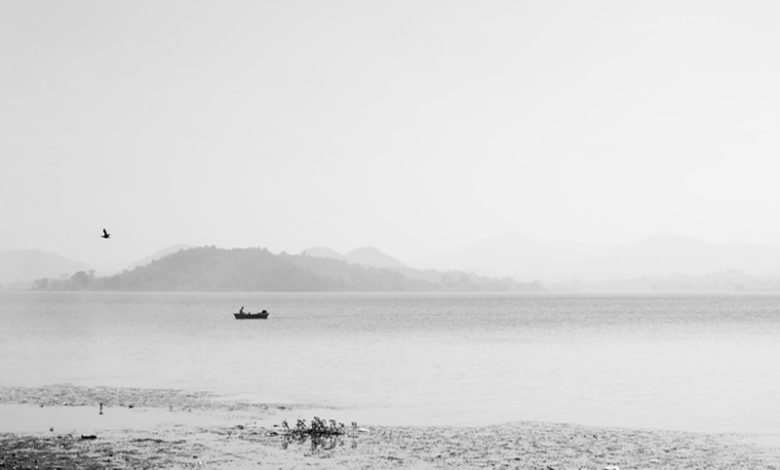
Ranchi’s shrinking lakes are not disappearing because of one dramatic event. They are fading through slow, layered damage. First, land around lakes and dams gets occupied bit by bit. Then feeder channels are blocked, waste piles up, and silt settles deeper every monsoon. Over time, the water spreads contracts, the storage capacity drops, and what looked permanent starts looking fragile. In Ranchi, this is no longer just an environmental warning. It has become a legal and civic crisis, with the Jharkhand High Court repeatedly pushing authorities to remove encroachments and act on desilting and lake restoration.
Why Ranchi’s Water Bodies Are Losing The Fight
The biggest reason is encroachment. Court records and recent reporting show repeated concern over illegal occupation around Ranchi’s water bodies, including catchment areas near Kanke, Dhurwa, and other key reservoirs. In one major Ranchi Lake finding, scrutiny of municipal records indicated that while about 53 acres were associated with the lake and adjoining land, only around 17 acres remained as the actual water spread, exposing how much space had effectively been lost over time. That kind of shrinkage changes everything: runoff paths weaken, recharge slows, and the lake becomes easier to choke.
Encroachment Does More Than Reduce Space
When buildings, dumping, and road pressure push into a lake’s natural edge, they do not just occupy land. They interfere with inflow routes and the surrounding catchment that helps the lake refill. The Jharkhand High Court has even asked for no-entry protection around water bodies and closer monitoring because partial action was not solving the problem. Ranchi authorities have also been carrying out surveys and anti-encroachment drives, which shows the administration now treats this as an active threat rather than a background issue.
Silt Turns A Lake Into A Shallow Basin
Silt is the quieter destroyer. Once runoff carries soil, waste, and debris into a neglected water body, depth begins to vanish. That means even when water is visible, storage falls sharply. Recent court-linked reporting noted that experts’ reports on garbage and silt removal from Ranchi Lake were being sought, which is important because a lake that fills with silt may look alive in photographs but perform badly in real life. Ranchi’s problem, then, is not only the disappearing shoreline. It is also disappearing in depth.
FAQs
1. Why Are Ranchi’s Lakes Shrinking?
Encroachment, blocked catchments, garbage dumping, and heavy siltation are steadily reducing lake area and depth.
2. What Is The Main Threat To Ranchi Lake?
Illegal occupation around lake land and feeder zones appears to be the biggest immediate threat.
3. Why Is Silt So Dangerous For Lakes?
Silt reduces depth, lowers storage capacity, and makes lakes weaker during dry seasons and monsoon cycles.
4. Has The Court Taken Action On Ranchi’s Water Bodies?
Yes, the Jharkhand High Court has ordered monitoring, demarcation, and anti-encroachment steps in recent hearings.
5. Can Ranchi’s Disappearing Water Bodies Still Be Saved?
Yes, but only with desilting, protection of catchments, strict enforcement, and regular public monitoring.