Beyond The Vltava: Prague’s New Barriers And Its Cloudburst Weaknesses
River defences in Prague are stronger than ever, but unpredictable cloudbursts reveal drainage flaws the city still struggles to fix despite major flood upgrades.

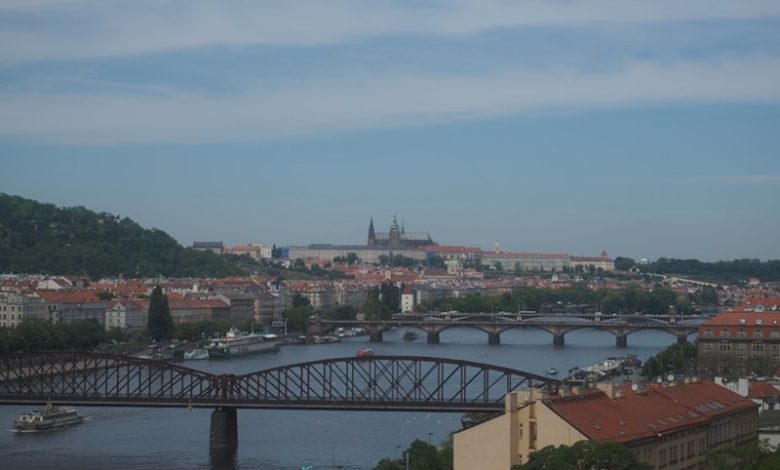
Prague’s flood trauma is stamped into the riverfront: the Vltava can rise fast, but the city now moves faster. After the catastrophic 2002 floods, Prague built a stitched-together defence line of fixed walls, gates, and deployable “stop-log” mobile barriers that can be assembled ahead of a forecast crest.
What Changed Since 2002: Smarter, Faster River Defences
When Central Europe braced for torrential rain in September 2024, Prague again erected barriers and managed reservoir releases upstream, exactly the playbook the city lacked two decades earlier. Across completed stages, Prague’s flood-protection system is described as roughly 19 km of measures, with several kilometres designed as mobile elements for tight historic streets.
In several riverbank sections, modular mobile lines are engineered to be raised quickly to metres-high protection when needed. The upgrade is not just riverside walls: it also includes closures, pumps, and safety valves in the sewer network to prevent backflow when the river pushes on the pipes.
Where It Still Fails: Cloudbursts Are A Different Enemy
These defences excel when the threat is a “slower arrival” river flood that can be forecast, staged, and met with crews and barriers. Cloudbursts hit differently: intense, local rain overwhelms surface drainage, underpasses, and combined sewers before any river crest is even relevant. So residents can still see flash-flooded streets and basement flooding even while the riverfront stays protected.
What Prague Is Leaning Into Next
The missing layer is pluvial resilience: more retention and infiltration (parks, permeable pavements, rain gardens), real-time drainage monitoring, and maintenance that keeps gullies clear when storms spike.
FAQs
1. Did Prague’s barriers stop all flooding?
They reduce river flooding risk, but cloudbursts can still overwhelm streets, drains, and basements often.
2. What is a mobile flood barrier?
A temporary modular wall assembled before cresting floods, using posts and removable stop-logs for protection.
3. Why are cloudbursts harder than river floods?
They strike locally, fast, and exceed drainage capacity before crews can deploy defences safely, rapidly.
4. What areas stay most vulnerable in Prague?
Underpasses, low-lying streets, and older combined sewers face the quickest overload during storms, especially today.
5. What helps most against cloudburst flooding?
Retention parks, permeable surfaces, sewer backflow valves, and better monitoring reduce peak runoff impacts significantly.