Polar Vortex 2026: Why Extreme Cold Is Hitting The US This Year
Why is the US freezing? Polar Vortex 2026 reveals the reason behind this year’s extreme cold, rapid storms, and nationwide temperature collapse.

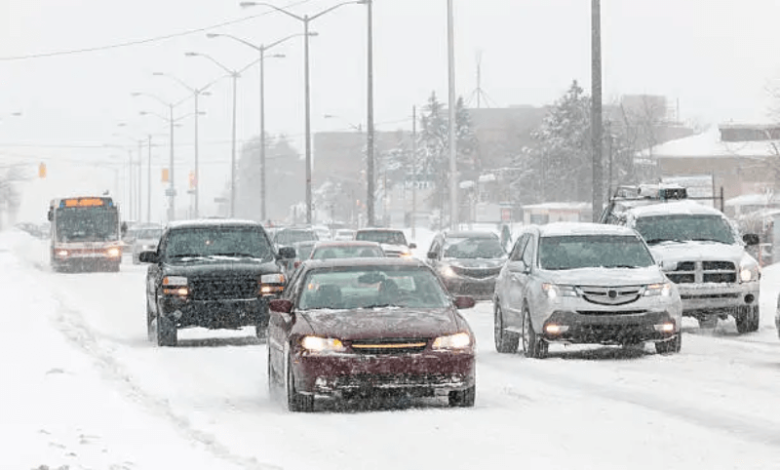
The Polar Vortex is back in headlines because the eastern and central U.S. are seeing repeated Arctic air surges in early 2026. In simple terms, polar vortex meaning is a ring of cold, fast winds high above the Arctic that usually keeps extreme cold locked north. This year, weather agencies and satellite reports show that circulation has been disrupted at times, letting cold spill south more often.
That is why people searching the polar vortex today are seeing dangerous wind chills, travel delays, and renewed freeze alerts across several states. NOAA and NWS resources also explain that this is not one single storm, but a pattern that can pulse through weeks.
What Changed In 2026 Polar Vortex Weather Patterns
Recent outlooks point to a wavier jet stream and periodic stratospheric disruption, both linked with stronger intrusions of polar cold weather into the U.S. Forecast discussions and global monitoring agencies flagged early-2026 extremes, including severe cold episodes in North America.
NASA imagery from January also captured broad cold outbreaks tied to Arctic air transport. In short, polar vortex weather in 2026 is about repeated southward dips, not just one dramatic weekend.
Arctic Polar Vortex, Climate Signals, And Why This Matters
The arctic polar vortex always exists in winter, but when it weakens or gets displaced, mid-latitude cold risks rise. On polar vortex climate change, scientists are still studying exact links, but many experts note that Arctic amplification can affect jet-stream behavior and cold extremes in complex ways. For live alerts and explainers, track the official channel NOAA Climate.gov. Also monitor
FAQs
What is the Polar Vortex in one line?
A rotating ring of Arctic air aloft that can shift south during winter disruption episodes.
Is the Polar Vortex today a single storm event?
No, it is a broader atmospheric pattern causing repeated cold outbreaks across multiple regions.
Does climate change directly cause every Polar Vortex outbreak?
Not directly always; links exist, but mechanisms remain complex and still actively researched globally.
Which U.S. areas face the highest risk in 2026?
Great Lakes, Midwest, and Northeast frequently see harsh wind chills during southward Arctic intrusions.
Best official source for Polar Vortex weather alerts?
Use National Weather Service forecasts, advisories, and wind chill warnings for local safety decisions.