Oceans Are Drowning in Plastic: The Waste Crisis We Ignore
Plastic pollution is damaging oceans faster than we expect. Learn how everyday waste, disposal habits, and global mismanagement push marine life to the edge.

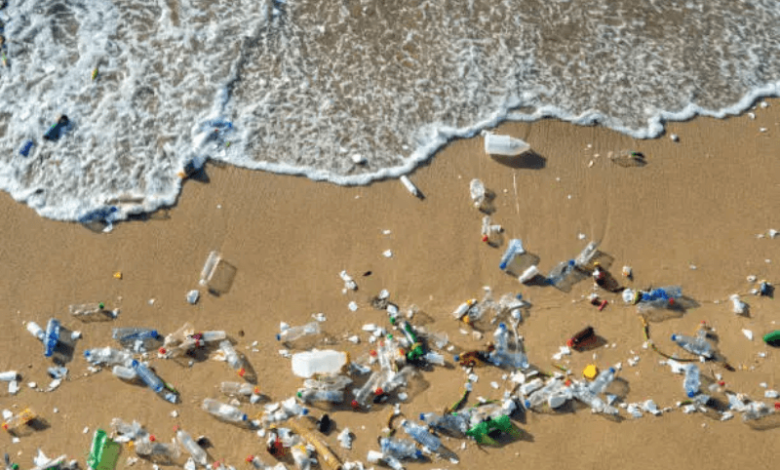
Plastic Pollution is no longer a distant issue. It now affects fisheries, tourism, coastal health, and food systems. A single bottle, wrapper, or delivery packet can move from a street drain to a river, then into the sea, where it breaks into tiny fragments. That is why plastic in the ocean is no longer just a beach-cleanup topic. UNEP says global plastic production and plastic waste doubled in 2019 compared with 2000, and could triple by 2060 without urgent policy change.
What Is Driving Ocean Pollution Right Now
When we examine the causes of plastic pollution, the pattern is familiar: single-use consumption, poor segregation, weak collection systems, and open dumping near waterways. UNEP also estimates 19 to 23 million tonnes of plastic waste leak into aquatic ecosystems every year.
This means plastic pollution in the ocean is not a local accident; it is a full lifecycle failure from production to disposal. The effects of plastic pollution include entanglement of marine animals, ingestion by turtles and seabirds, coral stress, lower fish productivity, and microplastics moving through marine food webs.
Trend Watch: Stories People Are Talking About
In 2025, Reuters reported researchers in Japan developing a plastic that dissolves in seawater within hours. In early 2026, Reuters also covered a Chile parade using giant recycled-plastic whales and sharks to highlight marine damage. These plastic pollution facts show one clear truth: innovation is moving, but prevention still has to move faster.
FAQs
1) How does plastic usually reach oceans?
Most plastic reaches oceans through rivers, storm drains, littered coastlines, and poorly managed leakage pathways.
2) Why are microplastics such a big concern?
Microplastics carry toxins, enter food chains, stress marine species, and may affect human health long-term.
3) Can recycling alone stop plastic pollution?
Recycling helps, but reduction, reuse, better product design, and strong waste systems are equally critical.
4) What daily habits reduce ocean plastic fastest?
Carry reusables, avoid single-use packaging, segregate waste properly, and support refill or deposit programs locally.
5) Is global policy action happening right now?
Yes, countries are negotiating plastics treaties while expanding bans, collection targets, and producer responsibility rules.