Changing Consumer Habits Under Plastic Bans and New Retail Realities
How Plastic Bans Are Changing Consumer Habits as daily buying patterns shift, retailers react, and simple routines adapt to rules shaping modern consumption.

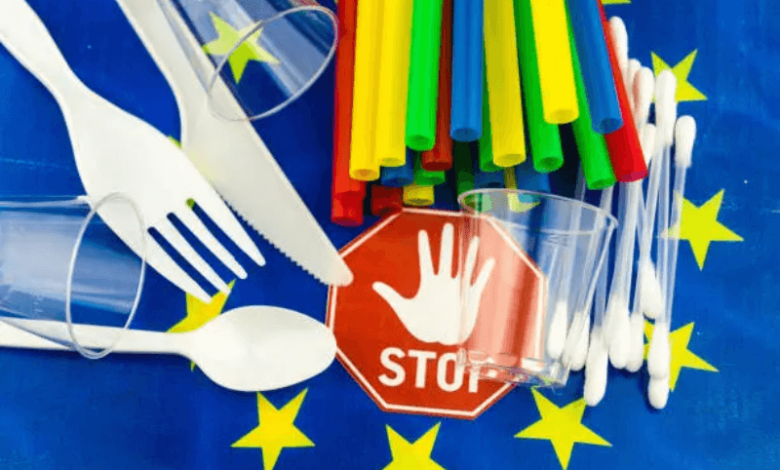
Plastic bans are changing consumer habits in quiet, visible ways. “How Plastic Bans Are Changing Consumer Habits” is no longer a debate topic; it shows up at checkout counters, in office pantries, and inside small kirana shops. Single-use plastics are losing their easy grip. Shops ask for a bag choice, brands change packaging, and people carry small reusables like it is normal.
It is practical, not preachy. Still, the shift is real, and it shows up in daily spending, daily convenience, and daily friction.
How Plastic Bans Are Reshaping Everyday Consumer Behaviour
Plastic bans push small routine changes that add up. Shoppers pause at billing, look around, then decide. Some keep a cloth bag in the scooter boot. Some reuse old packaging until it looks tired. It feels like extra work at first, that is true. Over time, the habit moves into muscle memory, like keeping a house key ready.
The Immediate Decline of Single-Use Plastics After Bans
When a ban starts, the first drop usually happens in carry bags and thin disposable items. Retailers stop handing them out, so consumers stop expecting them. Even street-side purchases change: tea cups shift to paper, takeaway spoons appear less often, and bulk buying rises a little. The change is not perfect, but the initial fall is hard to miss. And people notice fast.
Surge in Reusable Bag and Container Adoption
Reusable bags and containers are now part of regular shopping for many households. Some keep two or three options based on need.
- Cloth bags for groceries and vegetables
- Foldable totes for quick buys
- Steel or hard plastic containers for lunch and snacks
This is not a lifestyle flex. It is a response to rules and cost, plain and simple. Sometimes the bag is forgotten, and that annoyance teaches faster than any poster.
Shifting Consumer Mindsets Toward Sustainability
The bigger change sits in thinking, not just carrying. Plastic bans put waste in front of people, right at the moment of purchase. Many start checking packaging, asking for less wrapping, or choosing loose produce. Some still ignore it, fair enough. But even then, the language changes: “Do you have paper?” “Any refill pack?” “No cover, please.” Small lines, big signal.
How Retailers and Brands Are Adjusting to New Consumer Demands
Retailers are reacting because customers complain, and enforcement risk sits on their side. Many stores keep alternatives ready and charge openly.
- Paper bags or thicker reusable bags at billing
- Refill counters for staples in select shops
- Smaller packs or multipacks to reduce loose wrapping
Brands are also reworking packaging, especially in personal care and food. Some changes look genuine, some look like box-ticking. That is how markets behave.
Unintended Behavioural Changes Triggered by Plastic Bans
Not every outcome is clean. Some shoppers buy bin liners more often, because free carry bags disappear. Some switch to thicker plastic, thinking it is “allowed”, then reuse it twice and throw it anyway. It feels like a loophole, and loopholes spread quickly.
| What changed | What people did next | Why it matters |
| Free thin bags disappear | Bought garbage bags | Waste shifts, not always reduces |
| Alternatives cost more | Reduced impulse buys | Small drop in tiny purchases |
| Paper replaces plastic | Used paper once | Paper waste rises in some areas |
Global Examples Showing Strong Behaviour Shifts
Across several regions, strict enforcement and steady supply of alternatives seem to move behaviour faster. In some African markets, bag bans pushed rapid adoption of reusable carriers, especially among regular shoppers. In parts of Europe, retailer-led charges and standardised rules normalised bringing a bag. In India, results look mixed across cities, with modern retail adapting quicker than informal markets. It is uneven, and that is normal.
The Future of Plastic-Free Consumer Habits
Plastic bans are likely to expand beyond bags into packaging, cutlery, and delivery waste. The next phase may focus on refill systems, deposit-return models, and clearer labelling that people can actually trust. Some consumers will resist, then adjust. Others will lead by habit, not by speeches. The main test will be simple: affordable alternatives, steady enforcement, and less confusion at the counter. That is the real story, and it is still unfolding.
FAQs
1) How are plastic bans changing consumer habits in small towns and local markets?
Plastic bans push shoppers to carry bags, accept packaging limits, and pay extra for alternatives, even in smaller markets.
2) Do plastic bans reduce waste or only shift it to other materials?
They often cut thin plastic use, but waste can shift to thicker plastic or paper unless systems improve.
3) Why do some consumers still rely on single-use plastics after bans?
Old habits, weak enforcement, and lack of cheap alternatives keep single-use plastics in circulation in many places.
4) How are retailers responding to plastic bans at checkout counters?
Retailers charge for bags, stock paper or reusable options, and change packing methods to avoid penalties and disputes.
5) What consumer habits may grow next as plastic bans expand?
Refill buying, carrying containers, choosing loose items, and avoiding extra packing may become regular shopping behaviour.