
As the latter part of the calendar year approaches for the Philippines, the subsequent shift from the dry season into the typhoon season provides a proactive rhythm toward which the grey nation must remain vigilant to prepare., The Philippine Atmospheric Geophysical and Astronomical Services Administration (PAGASA) shows there is a likelihood that the Philippines will experience up to 16 tropical cyclones from August 1 to December 31, 2025, consisting of 2-3 tropical cyclones in August; 2-4 systems each month in September to November; and 1-2 systems in December. A second estimate projects that there is a likelihood of 11 to 19 tropical cyclones entering the Philippine Area of Responsibility (PAR) from July to December in 2025, affirming the probability of continued tropical activity.
Climatological Patterns & Times of Year
Historically, the Northwest Pacific, including the Philippines, experiences a study peak of tropical cyclones from July to October each year; it usually is 5.6, for September 4.8, and for October roughly 4.0. September usually peaks for both frequency and intensity across the archipelago, so we need to be on guard starting August.
Significant Storms & activity
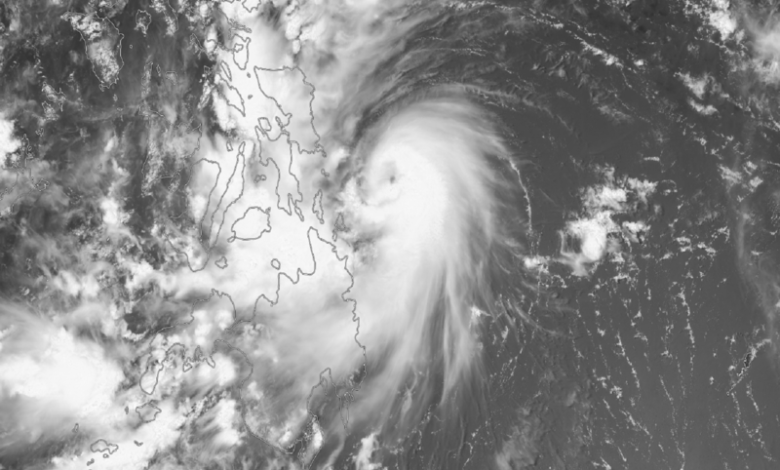
As of August 2025, we have already seen some significant storms pass through the area. First, we have Typhoon “Podul” (PAGASA: Gorio), which formed on August 6 and dissipated on August 15. Typhoon Podul had significant impacts across the Northern Mariana Islands, Taiwan, southern China, and the Philippines. Next, we have Typhoon “Co-may” (PAGASA: Emong), which was mainly active in late July but continued into early August and caused heavy rainfall and wind across Pangasinan and Ilocos Sur. And this is considering other weather systems “Fabian”, “Lingling”, “Kajiki (Isang)” and other tropical depressions, August has already hit typical seasonal intensities.
Read Also : The Philippines’ Most Devastating Typhoons: A Look Back at 2009–2021
Changing Climate Patterns: The Emergence of “Christmas Typhoons”
In addition to seasonal variability, longer-term climatic changes are reshaping the typhoon pattern. A 2021 study included in an ECO-Business piece showed a shocking increase of 210 % of “Christmas typhoons” (which are formed in the December–February window) since 2012, and a staggering 480 % in the southern Philippines. For example, the month of December typically sees just 1-2 storms, but the increasing trend for late-season cyclones is showing that the season’s vulnerability may be more prolonged than the active months alone.
What It Means for the Year 2025 and Beyond
With climatological averages showing that typhoon activity peaks through September, and with a PAGASA forecasting monthly cyclones, especially in August and the fall months, the second half of 2025 could be phenomenally enhanced. Not only will there be activity in December, which compounds the situation, but residents, local government, and sectors such as agriculture, tourism, and infrastructure also need to consider the normality effects of these impacts as well as the worsening phenomena of these impacts.
In summary, August to December 2025 will require increased awareness. Early season activity is already occurring, and December, seen as a dry point in the year, is increasing in variability to the point of being unpredictable. Being prepared, having warning, and adaptive resilience will always provide the strongest shield for the country.