A Pipeline Failure And A Shrinking Lake: The Story Behind Pflugerville Crisis
Pflugerville declared a water emergency after a pipeline failure disrupted inflow to Lake Pflugerville. Here’s how a single infrastructure breakdown threatened the city’s supply.

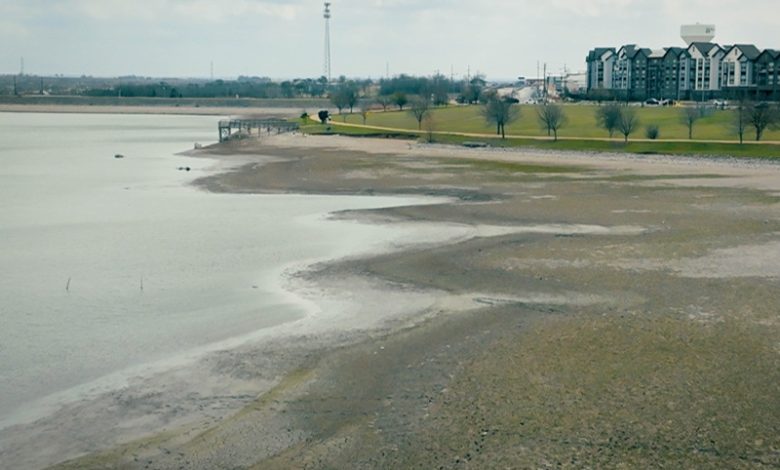
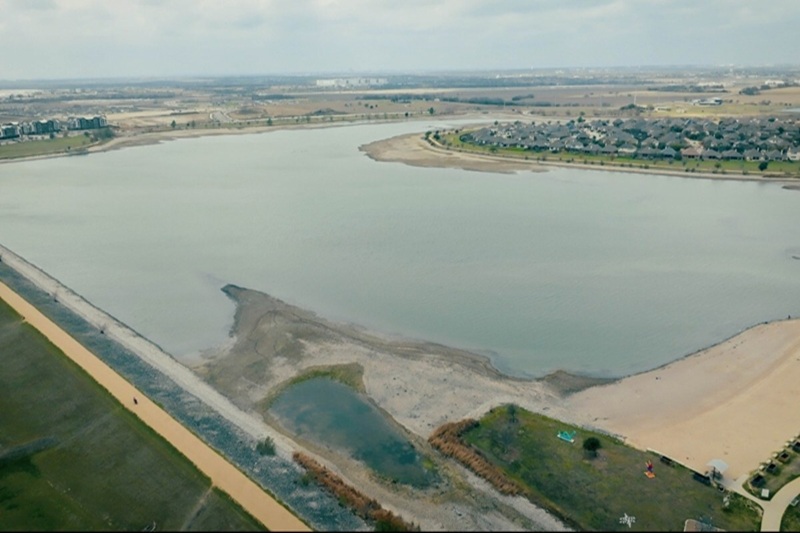
Pflugerville’s water emergency did not begin with a drought headline or a wildfire scare. It began with something less dramatic but far more revealing: one failed raw-water pipeline. City officials declared a local disaster on March 4, 2026, after the line feeding Lake Pflugerville stopped delivering enough raw water into the reservoir, which serves as the city’s primary drinking-water source. With inflows sharply reduced, the lake began falling toward levels that could drop below the intake structure used to pull water for treatment and distribution.
That is why a problem underground quickly became a citywide emergency above ground. Officials responded with Stage 3 emergency restrictions, limited water use to essential indoor needs, and warned that the situation could threaten drinking water, sanitation, and firefighting capacity if conservation did not immediately improve.
Why One Broken Line Hit So Hard
The key reason this story spread so fast is simple: Pflugerville’s system was highly dependent on a single delivery path into its main reservoir. Lake Pflugerville is not just a scenic community lake. It is the city’s primary drinking-water source, and officials say the failed line feeds raw water into that lake from the Lower Colorado River system. When that supply route was disrupted, the lake kept losing water without getting enough replenishment. In other words, the city was not dealing only with demand. It was dealing with a supply interruption at the exact point that keeps the reservoir viable. That is why a single pipeline failure could send the lake toward historic lows and force emergency action.
Why Lake Pflugerville Started Falling So Quickly
Reservoirs look stable from the surface, but they are part of a moving system. Water is constantly being withdrawn, treated, and used across homes, schools, businesses, and emergency services. If the inflow line fails, the lake effectively becomes a shrinking storage tank. Community Impact reported that engineering projections showed lake levels could fall below the city’s raw-water intake structure by April 18, a dangerous threshold because the city may no longer be able to pull enough water to meet basic needs. That forecast turned a maintenance problem into a public emergency.
This is also why officials shut down more than lawn irrigation. Stage 3 rules banned most outdoor water uses, including pool filling, driveway washing, and nonessential irrigation, while Lake Pflugerville itself was closed for boating, fishing, and swimming. Those steps were meant to buy time while crews installed a temporary bypass line, activated additional wells, and worked with Manville Water Supply Company for supplemental supply.
The Bigger Story Beneath The Emergency
The deeper lesson is about infrastructure fragility. Fast-growing cities can look resilient until one chokepoint fails. Pflugerville officials noted that the emergency comes while the city continues work on a secondary raw-water pipeline, which suggests leaders already knew redundancy mattered. This crisis made that point painfully visible. A backup route is not a luxury when one pipeline carries the burden of refilling the main reservoir. It is the difference between an operational hiccup and a municipal emergency.
FAQs
1. What triggered Pflugerville’s water emergency?
A failed raw-water pipeline cut inflow to Lake Pflugerville, dropping reservoir levels toward critical intake thresholds.
2. Why is Lake Pflugerville so important?
It serves as Pflugerville’s primary drinking-water source and supports treatment, distribution, sanitation, and firefighting needs citywide.
3. Why can one pipeline failure affect an entire city?
Without backup inflow, the reservoir keeps draining from daily use while receiving too little replacement water.
4. What restrictions were introduced during the emergency?
Stage 3 restrictions banned most outdoor water use and closed lake recreation to conserve supplies.
5. What is the city doing to fix it?
Crews are installing bypass lines, activating wells, and pursuing supplemental water while permanent repairs continue.