The Truth: How Pesticides & Habitat Loss Collide to Crash Pollinators
Find out how pesticides and disappearing habitats collide to crash pollinators across regions. Uncover the drivers behind their decline and ecological impact.

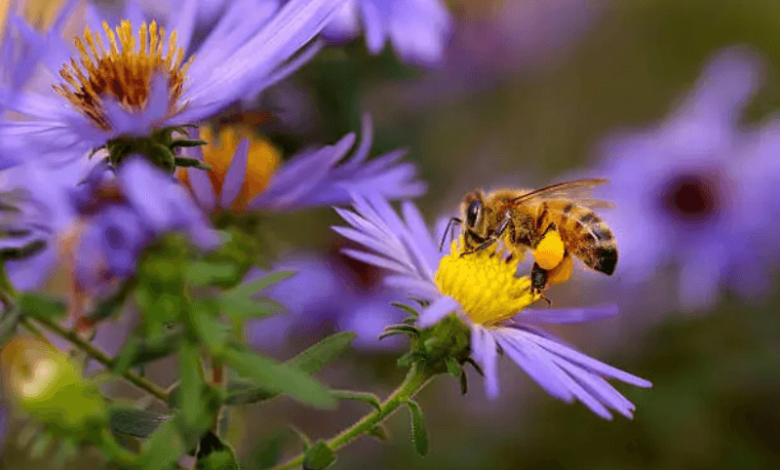
Pollinators are not crashing because of one villain. They are getting squeezed from both sides. Farms and urban expansion remove hedges, wild margins, and nesting spots, while pesticide exposure keeps showing up in pollen, wax, and nearby water. When forage gets thinner and chemical stress gets stronger, bees, butterflies, moths, and hoverflies lose the recovery space they need between seasons. That collision is why local declines now feel sharper across food-growing regions.
The Collision Is Bigger Than Either Threat Alone
Global assessments warn that about 75% of food crop types and nearly 90% of wild flowering plants depend at least partly on animal pollination. Habitat loss strips floral diversity, so insects fly farther for weaker nutrition. Then pesticide drift and residues add a second hit: even non-lethal exposure can affect navigation, foraging, and colony resilience. In July 2024, USDA ARS flagged that wind and water can move pesticides into bee-collected pollen and wax.
In the U.S., the 2023–24 national beekeeping survey estimated 55.1% annual managed colony losses, the highest recorded since that survey began. Meanwhile in Europe, the Commission withdrew its proposed pesticide-use regulation in March 2024, leaving the older directive in force. That policy stop-start has turned pollinator protection into a political battleground, not just a science issue.
Official Post You Can Embed
UNEP’s official World Bee Day post on X says human survival depends on pollinators:UNEP on X.
What This Means for 2026 Decisions
The practical playbook is simple: cut routine spraying, expand flower-rich habitat strips, and scale IPM plans that protect yields and pollinators together. Without both fixes together, farms pay twice: unstable yields now, and higher pollination costs later.
FAQs
1) What can households do first to help pollinators?
Plant native flowers year-round, reduce mowing, avoid broad-spectrum sprays, and keep clean water sources nearby.
2) Are all pesticides equally dangerous to pollinators?
Not always, but misuse, timing, and drift raise exposure risks for bees and other pollinators.
3) Can cities still support pollinators despite development pressure?
Cities can help when parks, balconies, and roadside plantings provide pesticide-light forage and nesting habitat.
4) Do farmers lose yield when reducing pesticide dependence?
Yes, mixed farms with hedgerows and IPM usually improve pollinator abundance and crop pollination stability.
5) What is one realistic farm-level starting point today?
Start with one field: set buffer strips, reduce sprays, track blooms, then scale successful practices.