Why Residents In Tabasco And Mexico’s Gulf Coast Are Still Talking About The Pemex Oil Spill
Oil reached beaches, fisheries stalled, and questions stayed. Here’s why Tabasco and Mexico’s Gulf Coast still discuss the Pemex-linked spill months later.

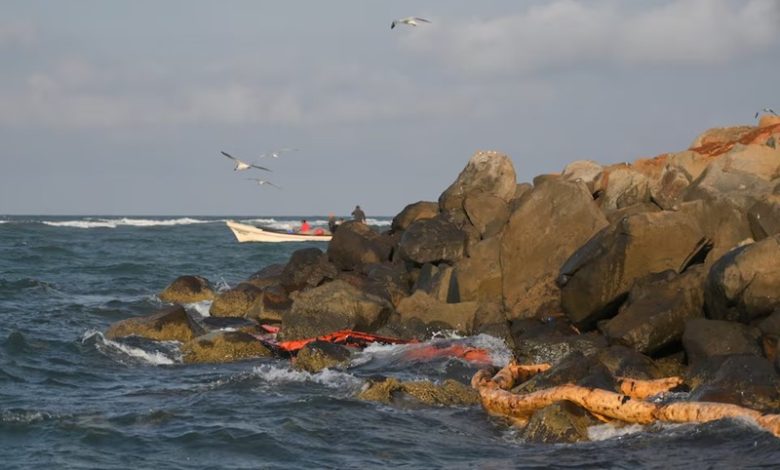
People in Tabasco and along Mexico’s Gulf Coast are still talking about the Pemex oil spill because it never felt like one single event. It became a chain of shocks: oil on beaches, dead wildlife, fishermen losing income, official denials, and then new reports pointing to multiple possible sources. In March 2026, the story grew bigger when authorities said the contamination likely came from a mix of a tanker discharge and natural seabed seepage, even as many locals and environmental groups kept questioning whether Pemex infrastructure was truly ruled out. That gap between what residents saw and what officials said is exactly why the spill remains such a live issue.
It Hit Daily Life, Not Just Headlines
For fishing families, this was never an abstract environmental story. Reuters reported that shoreline contamination affected communities in Tabasco and Veracruz, while AP said the spill stretched more than 600 kilometers and reached seven protected areas. Fishermen kept working in some places because they needed cash, even while fears grew around contaminated catches, damaged nets, and weaker tourism. That kind of pressure keeps a spill in public conversation far longer than the first news cycle.
The Source Question Never Really Settled Down
One reason the issue still feels raw is that the explanation kept moving. Pemex said early inspections found no leaks in nearby infrastructure and said currents were pushing oil toward shore. Days later, Mexican authorities said a vessel and natural seeps were the likely causes. But newer reporting from El País said a Pemex pipe-repair vessel spent days in the spill zone, raising fresh doubts about whether the official version told the full story. That uncertainty has deepened public distrust.
Wildlife Images Made The Spill Hard To Ignore
This story stayed alive because the visual damage was strong and local people could see it. Reuters and AP both described oil-stained beaches, affected mangroves, and contaminated marine life including sea turtles, dolphins, fish, and manatees. AP also reported cleanup crews collected 430 tons of hydrocarbons, while Reuters said another Tabasco-linked Pemex incident near the Olmeca refinery killed five people after oily waters caught fire. Once a spill becomes both an ecological and human story, it tends to stay in public memory.
Why The Conversation Is Still Not Over
Residents are still talking because cleanup does not erase mistrust. Pemex and federal agencies say brigades, barriers, drones, and satellite monitoring were deployed in Veracruz and Tabasco. Yet many communities feel the response came after the damage was already visible, and they still want a clear answer on responsibility, compensation, and long-term harm. In places that live from the sea, people remember what washed ashore long after officials move on. Official Pemex account on X.
FAQs
Why are Tabasco residents still discussing the spill?
Because fishing, tourism, trust, and health fears remain unsettled long after the first contamination reports emerged.
Did officials blame Pemex directly for everything?
No, authorities mentioned tanker discharge and natural seepage, but many residents still question that explanation.
How large was the Gulf Coast contamination?
Reports said the spill stretched over 600 kilometers and affected protected coastal reserves and communities.
What industries suffered first after the spill?
Fishing and beach tourism suffered first because oil residue directly disrupted work, travel, and sales.
Why has the story stayed politically sensitive?
Because responsibility remains disputed, while locals want compensation, transparency, and proof future spills will stop.