Why Patna Diara Floods Return: River Shifts And Embankment Gaps
Patna’s diara region remains vulnerable as shifting Ganga channels and fragile embankments reshape flood risks every monsoon, forcing planners to rethink protection strategies.

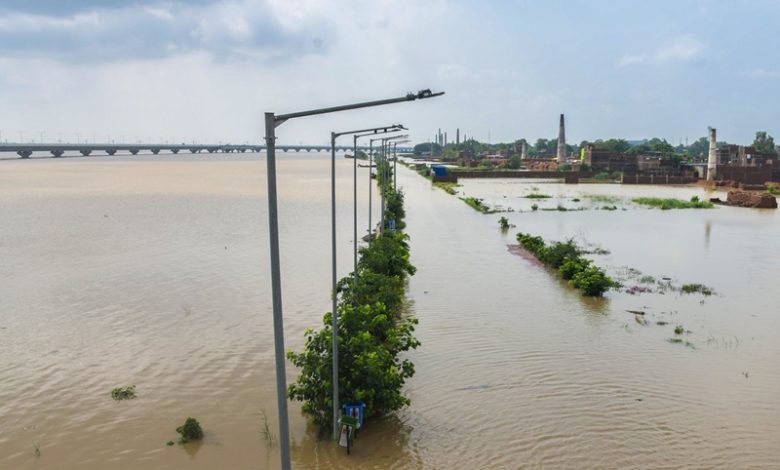
Patna’s diara belt lives with a flood logic that maps and embankments never fully settle. Every monsoon, the Ganga and its linked channels do not simply rise; they rearrange pressure points, nibble at banks, reopen old paths and expose the places where protection works are weakest. That is why flood danger in Patna’s riverine fringe is not just about heavy rain inside the city. It is also about upstream discharge, silted channels, erosion-prone banks and the fragile stretches of embankments and anti-erosion works that need annual attention before the first serious surge arrives.
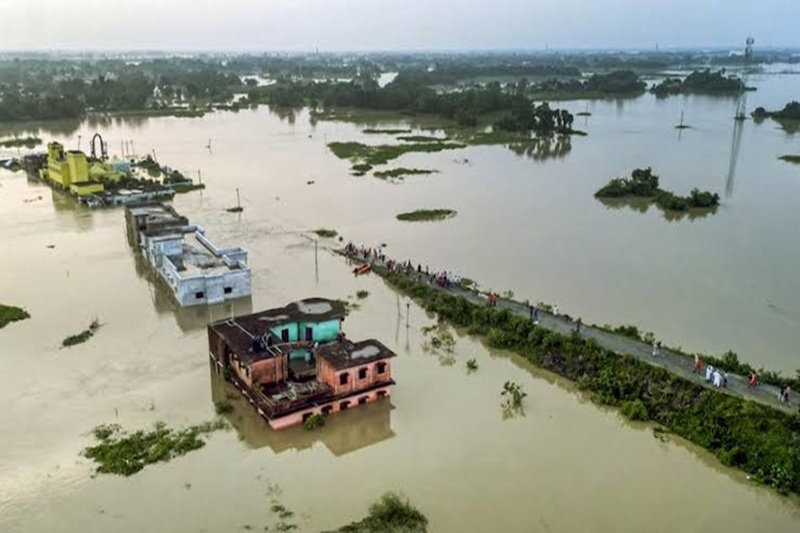
In recent flood spells, low-lying pockets around Patna, Danapur and other river-adjacent areas have again faced evacuation pressure as the Ganga crossed or hovered above danger levels, while district authorities readied boats, relief points and protective barriers.
River Shifts, Erosion And Weak Embankments Keep Resetting The Risk
The biggest problem in the diara is that the river does not behave like a fixed boundary. The Ganga’s course around Patna and downstream reaches can shift through side-channel activation, sediment build-up and bank cutting, which means a settlement that looked safer one season can become newly exposed the next.
Bihar’s own Water Resources Department has continued listing anti-erosion and restoration works in Patna district, including protection at Chiraiya Diyara, Athmalgola and old-channel activation near Bakhtiyarpur, a sign that the threat is structural rather than temporary.
Why Monsoon Planning Cannot Be Limited To Rainfall Forecasts
For planners, the trend story is clear: flood risk now travels with river behaviour, not just local rainfall totals. Even in years of uneven monsoon distribution, Bihar has seen intense flooding where swollen rivers and barrage releases push water levels upward. In August 2025, reports showed the Ganga running above danger levels at Gandhi Ghat and other stations, forcing people from diara zones to move to safer edges and temporary shelters.
A useful reality check came through this official ANI post documenting distress in Patna’s diara during the flood situation: ANI on X. That visual evidence matters because it captures what statistics often flatten; cattle on the move, families relocating early, and flood stress arriving before a formal disaster tag sticks.
What The Weak Spots Mean On The Ground
Embankments still matter, but weak maintenance, seepage, erosion at spurs and damage to older bundhs can quickly turn a defensive line into a fresh hazard. Bihar’s WRD publicly asks residents to report erosion and leakage, underscoring that vigilance has to be continuous. For Patna’s monsoon planning, that means pre-positioning boats, protecting approach roads, monitoring vulnerable embankment reaches daily and treating diara settlements as frontline zones, not seasonal afterthoughts.
FAQs
1. Why is Patna’s diara flooded so often?
Because shifting channels, erosion, upstream discharge, and low elevation repeatedly combine during peak monsoon weeks.
2. Do embankments fully solve flood risk there?
No, embankments reduce exposure locally, but breaches, seepage, and erosion can create fresh danger.
3. Why do river shifts matter so much?
They redirect flow pressure, eat banks faster, and suddenly expose villages once considered relatively safer.
4. What should monsoon planning prioritise first?
Daily river monitoring, embankment inspections, evacuation boats, relief sites, and protection of access roads.
5. Who should residents follow for updates?
CWC, Bihar WRD, district administration, and verified news agencies posting real-time flood alerts and visuals.