
What’s Driving Paris Summer Ozone Alerts: Why “Clear Skies” Can Still Mean Unhealthy Air
Paris summer ozone alerts often appear on clear sunny days. Learn why heat, traffic emissions, and sunlight combine to create unhealthy air pollution across the city.

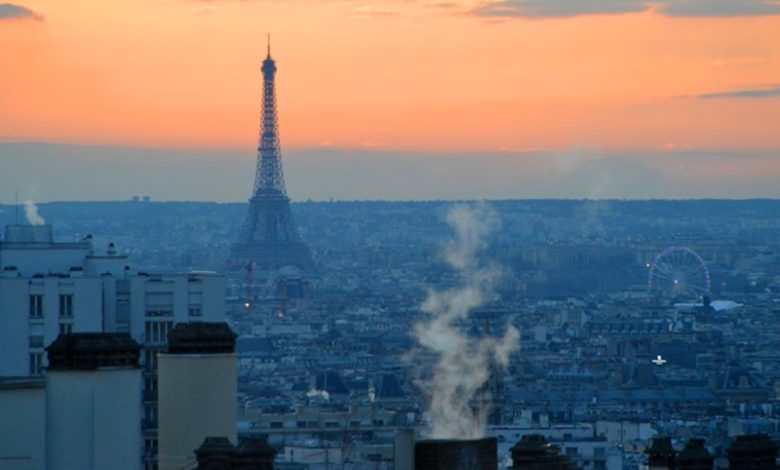
Paris can look postcard-perfect in summer: bright sun, blue sky, long evenings on the quais. Then your phone buzzes with an “ozone pollution” alert and the city quietly flips into caution mode. That disconnect is the story of modern urban air. Ozone is not the smoky stuff you can see. It is a heat-and-sunlight pollutant that often peaks on the very days people rush outside.
Why Hot, Sunny Days Turn Traffic Fumes Into Ozone
Ground-level ozone (O₃) is not emitted directly. It forms when nitrogen oxides (NOₓ) and volatile organic compounds (VOCs) react under strong sunlight and high temperatures. In practice, the ingredients come from road traffic, industry, solvents, and even some natural emissions, while the “oven” is a stagnant summer air mass. During heatwaves, forecasts in and around Paris can tip over health thresholds, pushing the authorities to recommend limiting strenuous outdoor activity, especially in the afternoon, and to roll out traffic measures like reduced speed limits or “circulation différenciée” based on Crit’Air stickers.
Another reason it feels unfair: ozone does not respect city limits. It can build across the whole Île-de-France basin and be carried by regional winds, so some suburbs and downwind areas can see the worst levels even when central Paris looks breezy. That’s why alerts can cover wide territories, not just the périphérique.
The “Clear Sky Trap” And Why Ozone Often Spikes In The Afternoon
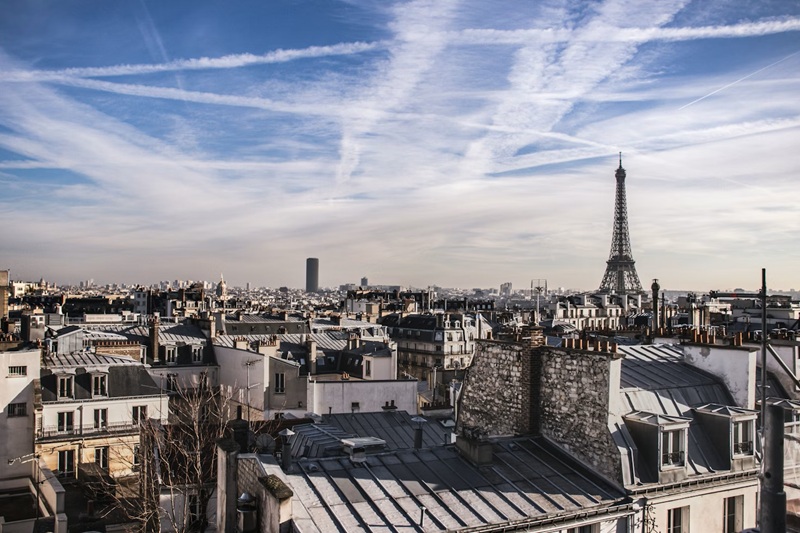
Here is the trick: sunshine is part of the chemistry. Ozone typically builds through late morning, peaks mid-to-late afternoon, then eases after sunset. So a crisp, cloudless day can be worse than a hazy one for this specific pollutant. Recent French heatwave coverage has repeatedly paired high temperatures with elevated ozone across wide areas, including Île-de-France, because the same weather that feels “nice” also accelerates photochemical reactions and slows dispersion.
You can see how operational this gets in official alerts. For example, the Préfecture de Police posts restrictions and reminders when Airparif anticipates persistent ozone episodes.
What People In Paris Are Changing, Right Now
The “trendy” shift is behavioural: runners move workouts earlier, parents choose shaded routes, and cafés lean harder into morning terraces. People also watch hourly indices more closely than daily averages, because ozone is a time-of-day problem. Telework nudges pop up during combined heat-and-ozone days, because fewer car trips help cut NOₓ and VOCs, the ozone precursors.
Longer-term, the uncomfortable takeaway is that climate change is stacking the deck toward more frequent hot, sunny stagnation events, making ozone a recurring summer headline even as some other pollutants fall.
FAQs
1. Why does ozone rise during heatwaves?
Heat speeds up sunlight-driven reactions between NOx and VOCs, producing more ozone each afternoon.
2. Is ozone the same as the “good” ozone layer?
No. Stratospheric ozone protects us; ground-level ozone irritates lungs and worsens breathing problems today.
3. When is it safest to exercise outdoors in Paris?
Early morning or late evening, when ozone drops after sunset and air mixes better usually.
4. Do traffic restrictions actually help during alerts?
Yes, they cut precursor emissions, limiting ozone formation and reducing exposure for vulnerable residents quickly.
5. What can I do at home on alert days?
Ventilate early, close windows mid-afternoon, hydrate, and watch symptoms if you have asthma carefully.