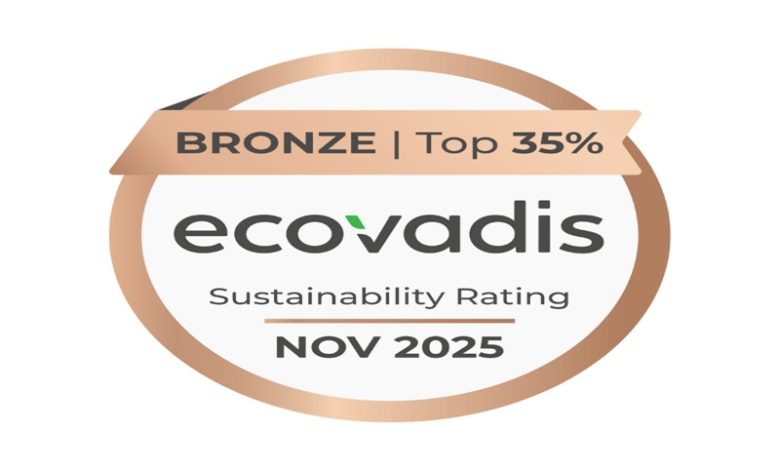
Bronze Sustainability Standing In EcoVadis Evaluation For Panasonic Automotive Systems
Panasonic Automotive Systems earns the EcoVadis Sustainability Bronze Medal, highlighting stronger ESG governance, reporting standards, and responsible supply practices.

The smell of burnt coffee and warm printer paper is familiar in supplier audit rooms. This time, the headline reads clean: Panasonic Automotive Systems wins Sustainability Bronze Medal in EcoVadis assessment. For an auto supply chain that runs on checklists, inspections, and tight deadlines, a public EcoVadis result signals discipline, not drama, and it lands at a time when ESG screens keep getting stricter.
Understanding the EcoVadis Sustainability Assessment
EcoVadis runs a widely used sustainability rating process that scores companies across key areas such as environment, labour and human rights, ethics, and sustainable procurement. The assessment looks at policies, actions, and reporting, then converts that work into a score and, for certain score bands, a medal level.
The practical side is simple. Procurement teams like a single, comparable yardstick. Auditors like documentation that stays consistent. Suppliers like fewer repeated questionnaires. EcoVadis sits in the middle of that messy reality, and many global buyers check these ratings during vendor reviews.
Panasonic Automotive Systems’ Bronze Medal Recognition
Panasonic Automotive Systems announced a Sustainability Bronze Medal result in its EcoVadis evaluation. Bronze is not the loudest badge in the cabinet, yet it still places a company above a large portion of rated peers, and it signals that basic systems and evidence trails are in place.
In the automotive sector, that matters because supplier performance is judged on more than delivery schedules and defect rates. ESG checks now enter the same meeting agenda as cost and quality. That shift can feel annoying for engineers. Still, it keeps showing up.
Key Sustainability Practices That Led to the Award
The EcoVadis scoring framework generally rewards work that is documented, repeatable, and visible across sites and suppliers. Panasonic Automotive Systems pointed to structured sustainability management and supply chain practices as part of the basis for the result.
A small, real example helps. During a supplier onboarding cycle, teams often chase the same items again and again: policy PDFs, training logs, audit responses, corrective actions, and sourcing declarations. When those pieces live in one system and get updated on a schedule, the process stops feeling like a last-minute scramble.
A short snapshot of what EcoVadis typically checks sits below.
| Assessment Area | What Evaluators Usually Look For |
| Environment | Targets, emissions tracking, energy use, waste controls, verified reporting |
| Labour & Human Rights | Worker protections, safety systems, grievance handling, training records |
| Ethics | Compliance programs, anti-corruption controls, reporting channels, governance |
| Sustainable Procurement | Supplier standards, due diligence steps, risk screening, traceability |
The paperwork part is not glamorous. But that is the job. And when the evidence is tidy, scores usually follow.
Why the EcoVadis Rating Matters for the Automotive Industry
Automotive supply chains are long, layered, and sometimes frustratingly opaque. A part can pass through multiple tiers before it reaches an OEM line. When regulators, customers, and investors ask for proof of responsible sourcing and operations, a supplier needs to show more than good intentions.
EcoVadis ratings often appear during supplier selection, annual performance reviews, and contract renewals. A medal does not guarantee a deal, yet it can reduce friction in vendor qualification. It can also speed up internal approvals at large buyers that rely on standardised risk screens.
There is also a competitive angle that rarely gets said out loud. Two suppliers can quote similar prices. The one with clearer ESG documentation may face fewer delays, fewer escalations, and fewer follow-up audits. Simple. Not fancy.
How Panasonic Automotive Plans to Strengthen Its ESG Strategy
Panasonic Automotive Systems has positioned the bronze result as a checkpoint, not a finish line. Companies that take EcoVadis seriously usually treat each cycle as a list of gaps to close: stronger supplier engagement, tighter data capture, clearer governance, and better traceability where materials get complex.
Operationally, the next steps often look like routine work:
regular internal audits, supplier training refreshers, improved reporting cadence, and clearer ownership for each ESG control. Nothing cinematic. It is a calendar, a set of reminders, and people who keep pushing tasks to completion even when production is busy.
And yes, this kind of work can feel thankless. Still, it reduces surprises later, which is the real win.
What This Recognition Means for Customers, Partners, and Stakeholders
For customers, a bronze EcoVadis outcome can signal that Panasonic Automotive Systems has baseline sustainability controls that can stand up during procurement reviews. For partners and suppliers, it can mean more structured engagement, clearer requirements, and fewer last-minute document chases.
For internal teams, it can lower the noise. When a buyer asks for proof of labour standards or sourcing checks, the response can be quicker and cleaner. That reduces back-and-forth emails, late-night spreadsheet edits, and rushed sign-offs. Anyone who has lived through an audit season knows that relief.
Stakeholders also read these signals as part of longer-term resilience. A supplier that manages ESG controls well often manages operational risk well too. Not always, but often.
EcoVadis as a Global Benchmark for Corporate Sustainability
EcoVadis has become a common reference point because it gives a shared language across industries. It is not perfect. Some companies complain it rewards documentation more than ground reality. Others argue documentation is exactly how large organisations prove ground reality at scale. Both views show up in boardrooms.
Still, many buyers use EcoVadis because it reduces the chaos of one-off questionnaires and gives a repeatable scorecard. For suppliers, that means one more external standard to meet, but also one less custom format to chase for each customer.
FAQs
1) What does the EcoVadis Bronze Medal indicate for Panasonic Automotive Systems in practical procurement terms?
It indicates documented ESG controls that can reduce procurement delays during vendor qualification and periodic supplier reviews.
2) Which areas does the EcoVadis sustainability assessment usually evaluate for automotive suppliers?
It usually evaluates environment, labour and human rights, ethics, plus sustainable procurement processes across supplier networks.
3) Can an EcoVadis rating affect contracts and supplier status in automotive manufacturing programs?
Yes, many buyers consider ratings during selection, renewals, and risk checks tied to sourcing and compliance expectations.
4) Does a Bronze Medal guarantee top sustainability performance across every Panasonic Automotive Systems site?
No, it signals structured programs and evidence, while site-level performance still depends on execution and ongoing audits.
5) Why do customers and partners pay attention to EcoVadis assessment outcomes in the mobility sector?
Because it offers a comparable scorecard that supports supply chain transparency, reporting duties, and responsible sourcing checks.