
Seafood in Transition: Why Overfishing Is Changing What the World Eats
Understand How the Energy Transition Is Redrawing World Power as clean energy leaders, mineral hubs, and tech nations compete for long-term strategic influence.

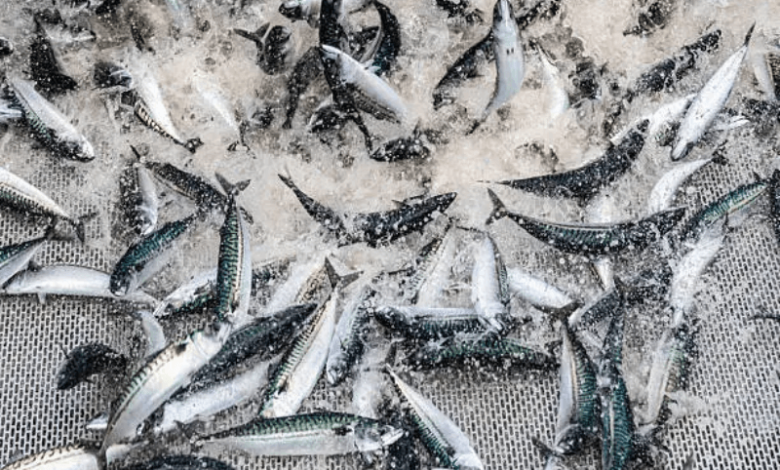
Seafood plates are quietly changing. Overfishing is changing what the world eats, and the shift is now visible in markets, menus, and even school lunches. Bigger fish turn costly, smaller fish turn common, and many buyers do not notice the swap. That’s how it is right now. The problem is not only about oceans, it is also about food habits and household budgets, in many countries at once.
What Overfishing Really Means Today
Overfishing means catching fish faster than fish populations can recover. It sounds simple, but the chain is messy. Industrial fleets run longer trips, cover wider areas, and target the same species season after season. Sometimes a fishing ground looks “fine” for a year, then drops hard. That’s how it goes.
Another part is bycatch. Nets meant for one fish often pull up turtles, juvenile fish, sharks, and other sea life. Some get discarded. Waste sits inside the system, and it does not show up on a menu card. Feels strange sometimes, but it happens.
The Collapse of Popular Fish Species Worldwide
Several well-known fish have faced sharp pressure in key regions. Tuna, cod, certain groupers, and some reef fish get hit because demand stays high and the price stays tempting. A stock can look stable on paper, then the average size falls, and fishers travel farther for the same haul. That is a warning sign, even if no one says it loudly.
And collapse is not always a dramatic headline. It can be slow. First, fewer big fish. Then more small ones. Then buyers accept the “new normal” without real choice. That’s the uncomfortable part.
How Overfishing Is Changing Global Diets
Diet change does not arrive as a formal announcement. It comes through substitution. Households shift to cheaper seafood, frozen packs, or processed fish products. Restaurants adjust recipes. Retailers change what they stock. People still say they “eat fish”, but it is not the same fish anymore. That’s how it looks on the ground.
In many coastal places, fish is not a luxury item, it is daily protein. When catch drops, families move to eggs, chicken, lentils, or low-cost packaged foods. Some adjust fine. Some do not, and it shows later. A hard truth, yes.
The Shift From Wild-Caught to Farmed Seafood
Farmed seafood keeps growing because wild supply cannot keep pace. Salmon, tilapia, pangasius, shrimp, and a few other farmed options now dominate many exports. Aquaculture also brings control. Buyers get steady volume and stable sizes. That’s why businesses like it.
But farmed fish depends on inputs, feed, water quality, disease control, and careful waste handling. When farms are rushed, problems rise. So the “solution” also carries its own stress. Sometimes it feels like trade-offs, not a clean fix.
The Rise of Replacement Fish on Restaurant Menus
Replacement fish is already normal in many cities. The menu says “white fish” or “chef’s catch” and the species can change week to week. Some suppliers label fish in broad terms, and most diners do not ask. That’s how the industry keeps moving.
Common replacements include smaller pelagic fish, low-cost farmed fillets, and regional species that used to stay local. A few points that show up in kitchens:
- Smaller fish cook faster and mask quality issues under batter or sauces. That’s the reality.
- Fillets arrive pre-cut, so diners cannot judge the fish by shape or skin.
- “Fresh” is often a timing word, not a sea word. Some people forget that.
Why Seafood Prices Are Increasing Everywhere
Price jumps come through scarcity, fuel costs, longer trips, tighter rules, and supply chain handling. Even ice, cold storage, and freight add cost. Some buyers blame “seasonal issues”, but the pattern keeps repeating. That’s how households feel it.
Typical price pressure points
| Driver | What it does to price | What buyers notice |
| Lower catch volume | Pushes rates up at landing | Smaller fish, fewer options |
| Longer fishing trips | Adds fuel and crew cost | Higher retail tags |
| Cold chain costs | Raises storage and transport expense | More frozen products |
| Compliance and checks | Adds paperwork and delay | Irregular supply |
| Export demand | Pulls supply away | Local shortages |
Not every city sees the same spike, but the direction stays similar. And that hurts daily buyers first.
The Food Security Crisis in Overfished Regions
Food security gets hit hardest in coastal areas with high fish dependence. When fish becomes expensive or scarce, nutrition gaps widen. Children and pregnant women face the risk earlier. That’s the part people avoid discussing at dinner.
Small-scale fishers also lose out when larger fleets dominate access and prices. Less local catch means less local food. So the issue is not only “ocean health”, it is also who gets to eat what. Simple, but uncomfortable.
What Consumers Can Do to Reduce the Impact of Overfishing
Consumers do not control fleets, but buying choices still matter. Practical actions seen in many markets:
- Pick certified or responsibly sourced seafood when available. Not perfect, but better.
- Choose local seasonal fish that is not under heavy pressure.
- Avoid juvenile fish sizes, even if it is cheaper. It matters.
- Ask for clear labelling at restaurants and fish counters.
- Waste less seafood at home. That is the easiest step, honestly.
No single step “solves” overfishing. Still, demand patterns shape supply patterns, slowly but surely. That’s how markets behave.
The Future of Global Seafood Consumption
The next decade is likely to bring more farmed seafood, more alternative proteins, and stricter monitoring in many waters. Wild-caught fish may turn premium in more places, not as a health choice, but as a cost reality. That is already visible.
At the same time, new rules, better tracking, and stronger enforcement can help stocks recover in some regions. Recovery is possible. It just needs patience and discipline, which humans struggle with. That’s the honest part.
FAQs
How does overfishing change everyday meals in cities, not only coastal villages and fishing towns?
It reduces popular fish supply, pushes prices up, and increases replacement fish in restaurants and packaged foods.
Why do restaurants use replacement fish, even when menus still show familiar seafood names?
Supply changes weekly, costs fluctuate, and broad labels allow kitchens to keep pricing stable for customers.
Does farmed seafood always mean safer and cheaper seafood for consumers in the long run?
It can stabilize supply, but it depends on feed quality, disease control, and responsible waste management.
How can buyers identify overfished species without technical knowledge or long research reading?
Checking credible certification labels, asking sellers direct questions, and choosing local seasonal fish usually helps.
Why does overfishing create food security issues even when other proteins like chicken and lentils exist?
Fish can be the main affordable protein and micronutrient source in coastal diets, so loss harms nutrition fast.