
Seaweed Blooms Surge as Oceans Show Noticeable Colour Shifts
Expanding seaweed mats are changing how the sea appears from space, signalling deeper ecological shifts driven by heat, nutrient surges, and altered marine currents.

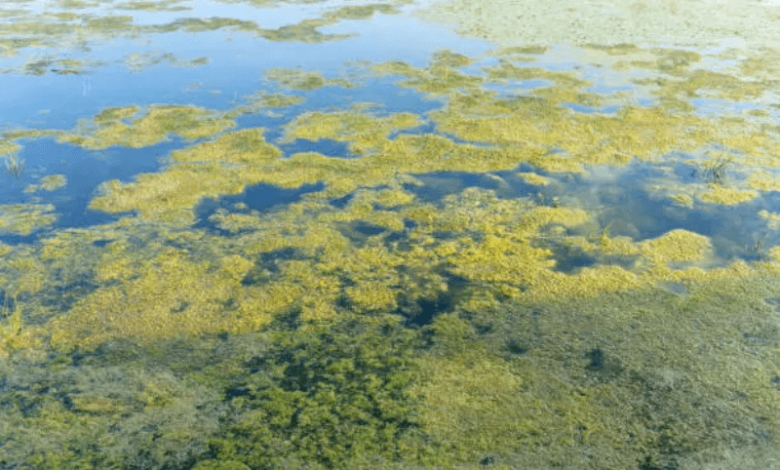
Ocean colour is shifting in ways satellites can measure, and the change often points to what is happening at the surface: more floating algae, different plankton mixes, and less light getting through. Massive seaweed blooms are turning patches of sea green-brown, with knock-on effects for fish nurseries, coral edges, and even coastal tourism. Feels subtle in photos, but it hits hard on shore.
What the Blooms Are Telling Scientists
Across the tropical Atlantic, the Great Atlantic Sargassum Belt keeps returning, and some seasons swell to record levels that can be tracked from space. NASA’s Earth account flagged the scale of this “biggest seaweed bloom” phenomenon, a post that still resurfaces whenever new mats appear. Recent research using AI to scan more than a million satellite images mapped expanding macroalgae coverage and warned of a possible “regime shift” in parts of the ocean.
Why “Colour” Matters for Climate
Colour is a proxy for life and particles in the top layer. Long satellite records show climate-driven trends in ocean reflectance, and scientists link those signals to changes in surface ecosystems.