
NZ Landslides Rising Fast as Heavy Storm Cycles Intensify in 2026
More slips are appearing in NZ as intense rain pushes unstable slopes over the edge. Warmer seas and stronger systems are shaping these bursts, leaving hillsides with little room to cope.

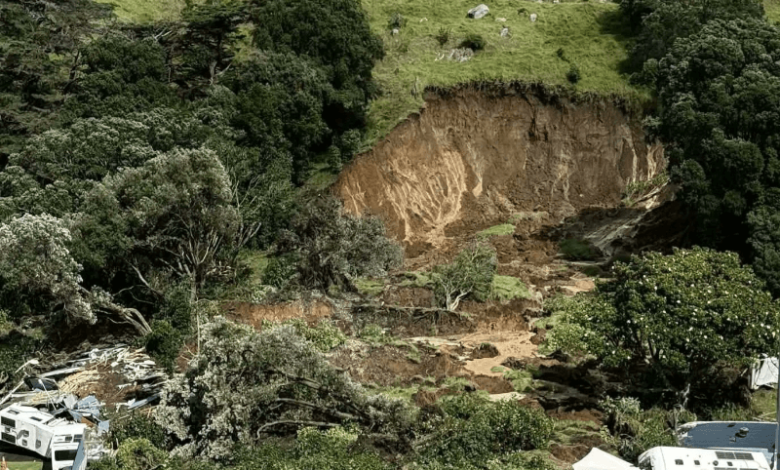
New Zealand is seeing severe landslides again as intense rain hits steep, already tired ground. This week’s North Island storms triggered slips, flooded roads, and rescue work near Tauranga, including a landslide that struck a Mount Maunganui campsite after torrential downpours. MetService issued rare Red Warnings as rain bands parked over the east coast. The pattern looks familiar, but the rainfall is arriving harder, faster, and on hillsides that have little room left to absorb it. Feels unreal, but it keeps happening.
What’s Driving the Spike in Slips
Heavy rain is the immediate trigger. Around Tauranga, totals pushed close to 300mm in about 30 hours, enough to overload drains, lift streams fast, and loosen hillsides. Rescue teams worked in unstable ground, and some searches paused when the slope still looked unsafe.
Climate change sits behind the scenes. Warmer air carries more water vapour, so storms can dump heavier bursts when conditions line up. A warmer ocean can also feed these systems, keeping rain going longer. After that, it is simple physics and messy soil. Once the ground is soaked, roots lose grip, clay turns slick, and gravity does the rest.
Why Some Areas Keep Collapsing
Local factors make the damage worse:
- Steep terrain and weak rock in coastal and volcanic zones
- Older logging cuts and road edges that channel water
- Homes, campsites, and roads built close to unstable banks
- Repeated storms that keep the ground wet for weeks
Officials keep repeating one point: saturated ground raises risk even if rain eases. And that’s true in many NZ regions right now. Small slips become big ones overnight.