2026 NYC Air Quality Index Guide: AQI Explained for Everyday Residents
NYC Air Quality Index (AQI) Explained: A Guide for Residents 2026 that breaks down readings, pollution types, wildfire smoke alerts, and safe steps for every neighbourhood.

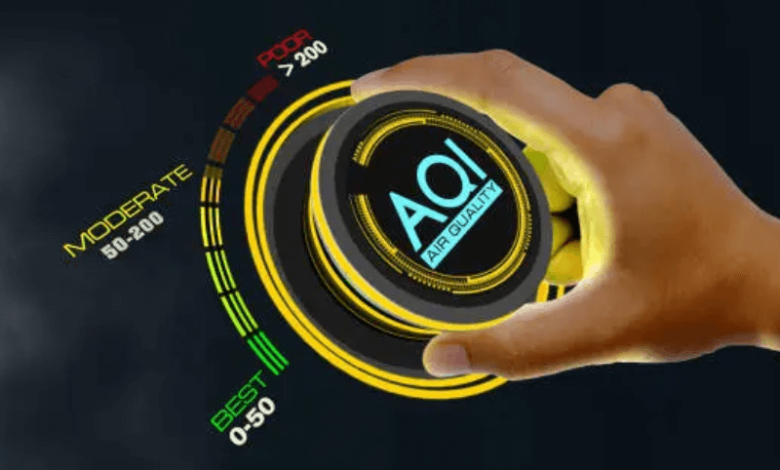
New York’s air can flip fast: a muggy ozone afternoon, a smoky skyline, or a winter “stagnant air” day. AQI is the quick number that tells you what your lungs are breathing right now, on a 0–500 scale. When it climbs, the health risk rises too. EPA’s AQI colours help you decide whether to run outside, keep kids’ playtime short, or stay in with a filter.
How To Read NYC AQI Day To Day
Start with the colour, then the pollutant. In NYC, the biggest swings usually come from fine particles (PM2.5) and ozone. Real-time readings use EPA’s “NowCast,” which smooths hourly spikes so the number matches what you feel outside.
Watch for alerts, not rumours. CBS New York recently flagged an air quality alert with NYC’s AQI around 102 due to fine particulates, a level that can bother sensitive groups like children, older adults, pregnant people, and anyone with heart or lung disease. On days like that, swap a hard run for a walk, and move errands to quieter streets.
The Scale In Plain English
- 0–50 (Green): good.
- 51–100 (Yellow): moderate, still fine for most.
- 101–150 (Orange): unhealthy for sensitive groups.
- 151–200 (Red): unhealthy for everyone.
What To Do On Smoke Or Haze Days
If smoke is in the mix, NYC health guidance is simple: limit time outside, keep windows closed, and use filtration to clean indoor air. Check AirNow before school drop-off and commutes, and use the Fire and Smoke tools when haze shows up on the skyline. Keep asthma meds handy, avoid burning candles or incense, and give kids shorter, calmer outdoor breaks until the colour drops.
FAQs
What does “Unhealthy for Sensitive Groups” mean in NYC AQI?
It means kids, seniors, pregnant people, and lung or heart patients should reduce exertion outside.
Which pollutant usually drives NYC spikes: ozone or PM2.5?
Summer heat boosts ozone, while wildfire smoke and traffic soot raise PM2.5 most quickly here.
Where can I check real-time AQI for my neighborhood?
Use AirNow’s map, NYC alerts, and trusted weather apps that show monitor-based readings nearby today.
What should I do when AQI is over 150?
Stay indoors, run a HEPA filter, avoid hard workouts, and wear a well-fitted N95 outdoors.
Does indoor air get safer automatically when outdoor AQI improves?
Not always; smoke particles linger, so ventilate carefully and replace HVAC filters after events peak.