When It’s Safe To Go Outside: NYC Air Quality Index Explained Clearly
NYC Air Quality Index Explained: When It’s Safe To Go Outside with clear AQI ranges, real-time alerts, and health tips for planning safe outdoor activities daily.

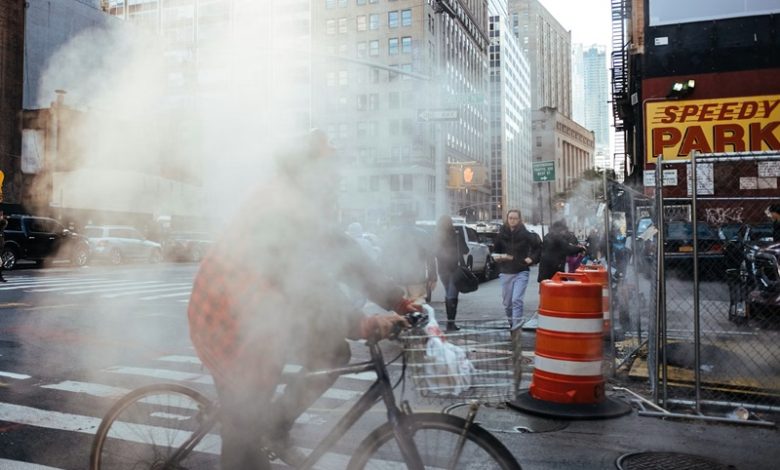
New Yorkers now check the sky and the NYC air quality index almost like a weather forecast. After wildfire smoke days and summer ozone alerts, people ask the same thing: when is it safe to step outside, commute, or exercise? The answer depends on the AQI number, your health, and how long you stay outdoors. NYC AQI basics in plain language, so you can make faster, safer daily decisions. This matters most for kids, runners, outdoor workers, and anyone with lung issues.
What Is The NYC Air Quality Index (AQI)?
The NYC Air Quality Index is a public health scale that turns air pollution measurements into one easy number. Instead of reading several pollutant charts, you get a single risk score for outdoor air. It is used to describe New York city air quality in a way most people can understand quickly, especially during smoky or hazy days.
How AQI Is Measured In New York City
AQI is calculated from monitored pollutants such as PM2.5 and ozone, then reported as the highest risk level among them at that time. In practice, weather, traffic, heat, and regional smoke can change readings through the day. That is why air pollution in New York city can feel different in the morning, afternoon, and evening.
AQI Levels Explained – What Each Number Means
- Good (0–50): Clean air for nearly everyone.
- Moderate (51–100): Usually acceptable, but some people may feel irritation.
- Unhealthy For Sensitive Groups (101–150): Higher caution for children, older adults, pregnant people, and people with asthma or heart disease.
- Unhealthy (151–200): Symptoms become more likely for many people.
- Very Unhealthy & Hazardous (200+): Avoid outdoor activity unless necessary.
- These aqi levels nyc categories help you judge risk faster than guessing by smell or visibility.
Safe AQI Range For Most People
For most healthy people, 0 to 50 is the safest outdoor safety air quality range. Many can still go outside at 51 to 100, but hard workouts may feel tougher, especially in hot weather. Above 100, the question “when is it safe to go outside aqi” depends more on your sensitivity, age, and activity level.
What To Do When NYC AQI Is High
Outdoor Plans, Exercise, And Daily Routines
Shorten outdoor time, reduce intense exercise, and move workouts indoors when possible. If smoke is the issue, a well-fitted N95 can help during essential outdoor trips. Keep medications nearby if you have asthma or another respiratory condition. NYC emergency agencies often post alert guidance during bad air days.
How To Check Today’s NYC AQI In Real Time
Government And Trusted Sources
Check AirNow first, then NYC Health guidance pages for local recommendations.
Mobile Apps And Weather Platforms
Use apps for convenience, but verify today’s aqi in nyc with official sources during fast-changing events.
Alerts And Notifications
Follow official city and state emergency or health accounts for air alert updates.
FAQs On NYC Air Quality Index
1. What AQI level is considered unhealthy?
AQI above 100 becomes unhealthy for sensitive groups; above 150 is unhealthy for everyone generally.
2. Is NYC air quality worse in summer or winter?
Summer often brings ozone spikes; winter can worsen particles, depending on heating and weather patterns.
3. Can I exercise outdoors when AQI is moderate?
Yes, usually, but reduce intensity if you notice coughing, wheezing, chest tightness, or unusual fatigue.
4. What causes sudden AQI spikes in NYC?
Wildfire smoke, ozone-forming heat, traffic emissions, and stagnant weather can raise AQI very quickly today.
5. Should children go outside during high AQI?
Limit outdoor exertion above 100 AQI, especially for asthma-prone children and longer school outdoor activities.