
A Growing Question: Nuclear Waste Problem Is Back, 100,000+ Tons
Nuclear Waste Problem Is Back: Where Will 100,000+ Tons Go? With storage sites filling and new reactors planned, the U.S. must decide how to manage the rising waste crisis.

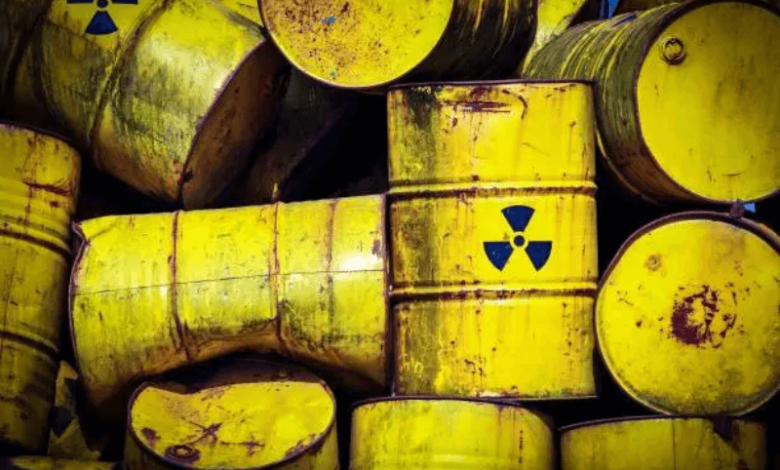
Nuclear waste has returned to the center of energy politics. In the U.S., stockpiles have crossed 100,000 tons, while a permanent federal disposal site is still missing. At the same time, governments are backing new reactors for grid reliability and AI-era electricity demand.
That mismatch has made one old question unavoidable again: if generation grows, where does the long-lived waste actually go? The issue now sits in election debates, utility planning, and local consent talks.
Why The Storage Clock Is Ticking Again
Most U.S. spent fuel remains at reactor locations in pools and dry casks. Regulators describe this as safe for interim storage, but interim is not final. Communities are now asking harder questions about transport routes, liability, and what happens when temporary licenses keep getting extended.
Those local concerns are shaping investment timelines as much as engineering plans.Official social update: IAEA on X discussing spent fuel and radioactive waste safety.
U.S. Flashpoints In 2026
A Reuters report (Feb 6, 2026) says U.S. officials are considering a volunteer-host model for campuses that may include repositories. Courts also shifted the map: a 2025 Supreme Court ruling cleared a major procedural hurdle for interim storage licensing, yet resistance stayed strong, and Holtec later withdrew its New Mexico proposal.
Global Repositories Are Finally Moving
Sweden started construction of its deep repository in January 2025. Canada selected the Ignace–Wabigoon Lake Ojibway Nation area in November 2024 for its repository pathway. Finland’s Onkalo project remains the closest model to full deep-disposal operations, though licensing timelines are stretched.
Globally, about 400,000 tonnes of used fuel have been discharged, with roughly 30% reprocessed, so delay now means bigger costs later.
FAQs
Is 100,000+ tons all high-level waste?
Mostly spent fuel; totals vary by definition, but U.S. inventories exceed 100,000 tons today already.
Why not keep waste at plants forever?
Interim storage works, but scattered sites raise security, transport, equity, and long-horizon cost pressures nationally.
Which country is leading in permanent disposal?
Finland leads operational readiness, while Sweden builds and Canada advances siting with local partnership models.
Did courts solve U.S. storage disputes?
Court rulings resolved procedure points, not consent politics; state resistance still shapes project viability today.
Can reprocessing eliminate nuclear waste completely?
Reprocessing reduces volume for some streams, but high-level residues remain and still require deep disposal.