
A street in a coastal city turns into a shallow river after one sharp cloudburst. Buses crawl, drains gurgle, and the air turns sour near the curb. A few months later, the same stretch bakes at 44°C, with the footpath too hot to stand on. Cities worldwide are scaling up nature-based solutions to manage flooding and heat, and the shift is getting harder to ignore.
Understanding Nature-Based Solutions in Modern Cities
Nature-based solutions, often shortened to NbS, use living systems to manage city problems. Think trees, wetlands, mangroves, parks, green roofs, restored river edges. Not decoration. Working parts of city design. They hold water, slow it down, cool neighbourhoods, and make streets less harsh in peak summer. And yes, maintenance matters. A dead sapling does nothing.
Why Flooding and Extreme Heat Are Rising Worldwide
Rainfall is arriving in ugly bursts. It hits hard, then it disappears, leaving drains clogged with silt and plastic. Many cities also paved over open ground years ago, so water has nowhere to sink. Heat is rising too, and concrete keeps it trapped. Night stays warm. The body never gets a proper break. Feels strange sometimes, watching a city sweat at midnight.
Nature-Based Solutions That Reduce Urban Flooding
Flood control used to mean deeper drains and bigger pumps. Those still exist, but cities are adding nature in the mix. A restored wetland on the edge can hold stormwater for hours. A rain garden beside a road can catch runoff that earlier rushed straight into drains.
Small actions add up:
- Kerbside planting strips that act like mini basins
- Parks designed to flood safely for a few hours
- Riverbanks reshaped so water spreads, not spikes
And yes, it looks simple on paper. On site, it takes patience.
Cooling Cities Through Green and Blue Infrastructure
Heat reduction is not magic. It is shade, moisture, and airflow. Trees cut direct sun. Soil and plants release moisture and cool the air. Water bodies help too, if managed well. A canal with filthy, stagnant water does not cool a city. It just stinks.
Many city planners now target:
- Continuous tree canopy on pedestrian routes
- Green roofs on public buildings
- Shaded bus stops and school zones
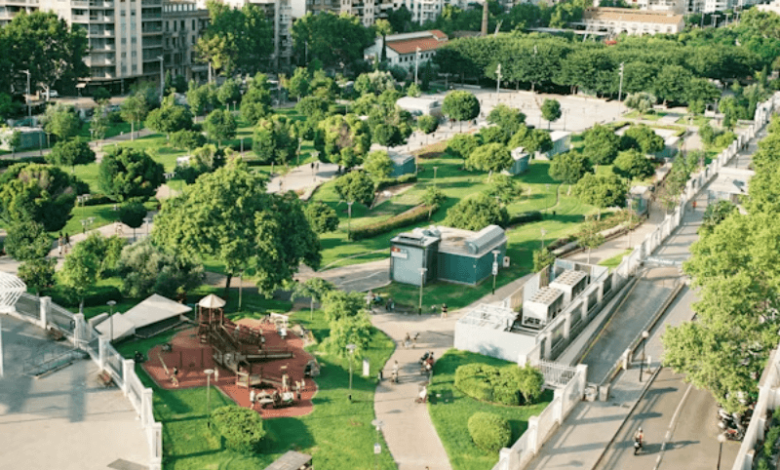
- Water-sensitive parks with planted edges
Short bursts of shade on a 10-minute walk can change the whole day.
Global Examples of Cities Scaling Up Nature-Based Solutions
Across Asia, “sponge city” planning has pushed parks, ponds, and porous surfaces into flood-prone zones. In Europe, several cities have reopened covered streams and rebuilt river edges with wider, planted banks. In North America, “green streets” use planted kerbs and permeable paving to slow storm runoff. In coastal regions, mangrove and marsh restoration is getting attention again, because walls alone do not stop surge damage forever. Maybe they are right.
Economic and Environmental Benefits of Nature-Based Solutions
NbS projects can cost less over the long run when compared with repeated repairs after floods and heat waves. They also reduce strain on drainage networks and lower surface temperatures around homes and shops. Cleaner air and more shade improve daily comfort, which matters for workers, schoolchildren, and older residents. And there is another quiet benefit. Biodiversity returns in small ways. Birds. Insects. A park that smells like leaves after rain, not diesel.
Key Barriers to Implementing Nature-Based Solutions
The hardest part is not the idea. It is execution. Land is tight. Budgets are tight. Agencies argue over who owns a patch of ground near a drain line. Maintenance gets ignored after the ribbon-cutting, then plants die and people call the project “a waste”. Another headache is timing. Trees take years. Politicians prefer quick wins. That mismatch creates friction, every single cycle.
Tools and Frameworks Supporting Large-Scale NbS Adoption
Cities are using risk maps, heat maps, and drainage models to pick priority areas. Some teams also use simple checklists, because a complicated plan that nobody follows is useless. A quick snapshot helps decision-making.
| City Need | Practical NbS Option | What Success Looks Like |
| Flash flooding on roads | Rain gardens, bioswales | Water stays off lanes after storms |
| Hot walking routes | Street trees, shaded corridors | Cooler footpaths at peak afternoon |
| Coastal surge pressure | Mangroves, marsh buffers | Reduced wave force near settlements |
The Future of Climate-Resilient Urban Planning
City planning is moving toward hybrid systems, grey infrastructure plus nature-based solutions, working side by side. The next phase looks more practical, less fancy. Prioritise schools, hospitals, transit corridors, and low-lying neighbourhoods first. Track outcomes. Replace dead plants fast. Keep drains clear. Simple, daily discipline.
That is the unglamorous part, but it decides results. Cities that treat NbS as core infrastructure, not as a side project, will handle flooding and heat with fewer shocks, and fewer angry mornings.
FAQs
1) What counts as a nature-based solution in a dense city area with limited open land?
Green roofs, street trees, pocket parks, and planted kerbs can work even in tight spaces.
2) How do nature-based solutions reduce flooding during heavy rainfall events?
They slow runoff, store water temporarily, and increase soil absorption so drains face less surge.
3) Can nature-based solutions lower indoor heat, or only outdoor temperatures?
Shaded streets and greener surroundings reduce heat near buildings, easing indoor cooling demand.
4) What is the biggest reason nature-based projects fail after launch?
Weak maintenance plans, poor plant survival, and unclear responsibility among agencies cause most failures.
5) How can cities measure success for nature-based solutions over time?
Temperature checks, flood depth tracking, plant survival rates, and resident feedback create a usable scorecard.