The Sea Breeze Effect: Mumbai’s Uneven Pollution Map
The Mumbai Sea Breeze Effect explains why one neighborhood records Poor AQI while another stays clear. Discover how coastal winds shape daily pollution swings.

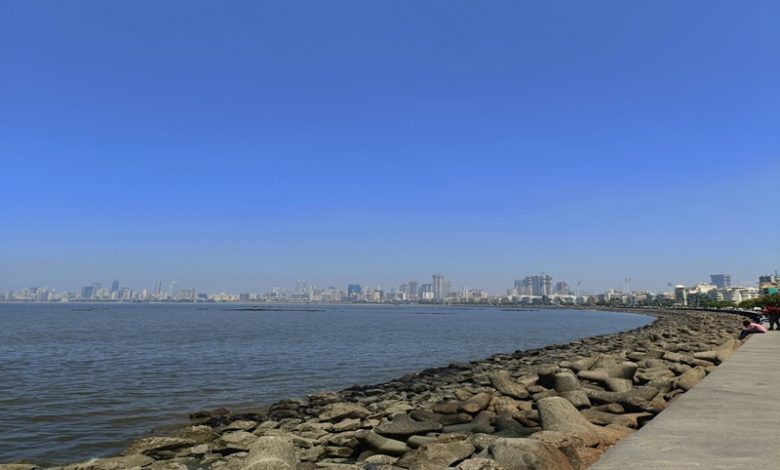
Mumbai’s sea-breeze is the city’s free air-purifier, until it suddenly isn’t. On many winter and early-summer mornings, one neighbourhood wakes up with a “Poor” AQI while a place ten kilometres away feels fine. That jump is not imagination. It’s a moving boundary where coastal wind, heat, humidity, and local emissions either mix the air or trap it close to the ground. When that boundary sits over your ward, your morning walk feels heavy, eyes sting, and the skyline looks washed out.
The Moving “Breeze Line” That Splits Mumbai
Think of Mumbai as two atmospheres on the same day. Near the coast, the afternoon sea breeze often pushes in from the Arabian Sea and helps ventilate the city. When it arrives on time and stays strong, pollution levels can drop fast because dirty air gets pushed inland and upward, and cleaner marine air replaces it. But when the sea breeze is weak or delayed, pollutants from traffic, construction dust, and local burning build up, especially under calm winds and high humidity. Recent explainers on Mumbai’s sudden AQI spikes keep pointing to this: the usual sea-breeze “flush” doesn’t always show up, and the city loses its coastal advantage for a few days.
Now add geography and sources. Coastal belts like Worli–Bandra–Juhu can get earlier ventilation, while inland and industrial corridors (Chembur, Wadala, parts of BKC, eastern suburbs pockets) may stay stuck in the land-breeze phase longer, so the same emissions hang around. The effect is sharper on cool nights and early mornings, when the air can be more stable and mixing is low. Official news account on X.
Why “Poor” Can Be Hyper-Local, Street by Street
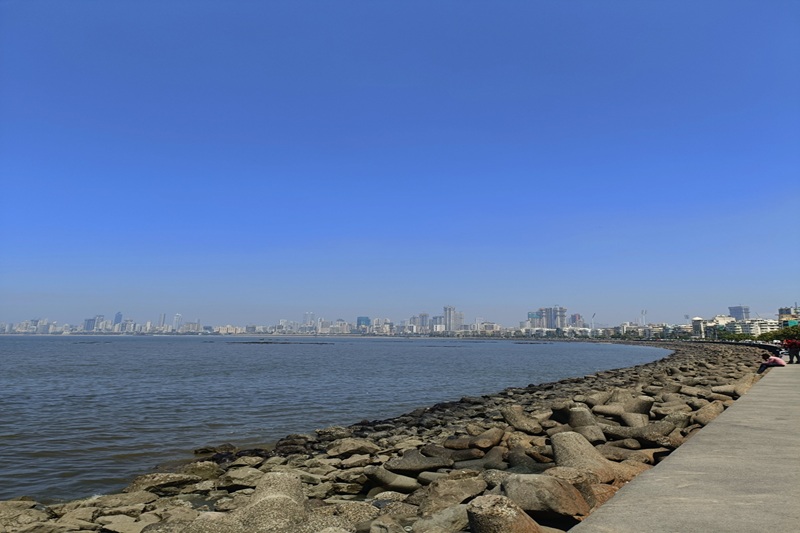
Air pollution is not just “citywide”. A metro worksite, a big redevelopment pit, or a jammed flyover corridor can push PM2.5 and PM10 up in one micro-zone. That is why Mumbai’s civic push is shifting toward tighter monitoring and stricter site controls, including sensors and enforcement for dusty construction work.
The Trend This Season: More Days When Mumbai Doesn’t Get Its Coastal Free Pass
What’s changed is the combo: high baseline emissions plus weather that’s less forgiving. When land-sea circulation weakens, the city behaves less like a “breezy coastal” place and more like any crowded metro with trapped pollution. It also explains the whiplash you see online: one day the AQI looks scary, then a cleaner breeze and a bit of mixing arrives and the city “breathes again”.
FAQs
1. Why does my area look hazy while Marine Drive looks clear?
Sea breeze reaches the coast first; inland pockets often keep pollution trapped longer in the mornings.
2. Is sea breeze always good for air quality?
Usually yes, yet sometimes weak circulation can recirculate pollutants and worsen hotspots near active sources.
3. Which months show the strongest neighbourhood AQI gaps in Mumbai?
Late October to February, plus a few early-summer weeks, bring the sharpest local daily swings.
4. Can construction alone flip AQI from Moderate to Poor?
Yes, dust plus traffic in calm wind can spike PM levels within a few blocks.
5. Where can I check location-wise AQI in Mumbai?
Use SAFAR Mumbai and CPCB dashboards; compare stations near your home and workplace daily, too.