Daily Mumbai AQI Guide: Pollution Impact & Quick Safety Tips
Check Mumbai’s air index today and understand pollution levels, health risks, and smart safety steps. Get quick guidance to protect children, commuters, and sensitive groups.

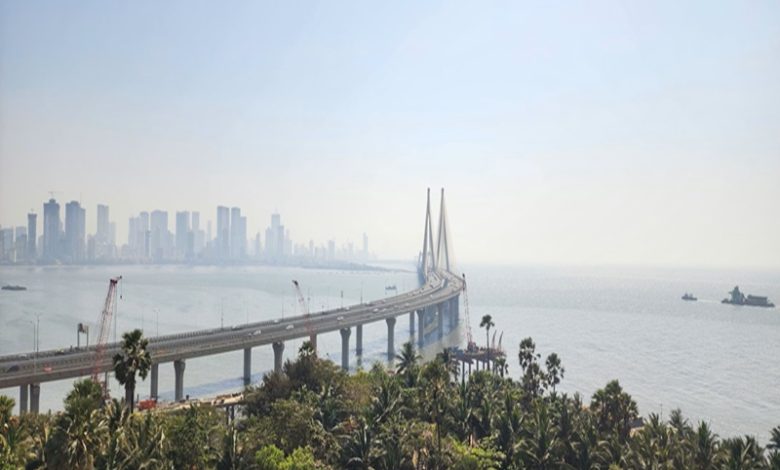
Mumbai’s air quality is not staying steady, so checking one live update in the morning is no longer enough. Recent reports and real-time dashboards show sharp swings across local stations, with haze episodes and pollution spikes affecting different pockets at different times. That is why the smartest approach today is hyperlocal: check your nearest station, read the category, then plan travel, workouts, and kids’ outdoor time accordingly.
Air Quality Index In Mumbai Today: Current Status Explained
Mumbai’s citywide picture today is best described as variable, not uniform. Public trackers and recent coverage indicate elevated pollution risk, with some areas recently crossing into poor or unhealthy ranges while others remain lower. Differences happen because stations update at different times and local sources vary.
What The Air Quality Index Levels Mean For Mumbai Residents
AQI is a health signal. Above 100, sensitive groups should cut prolonged outdoor exposure. Above 200, even healthy adults may notice irritation, coughing, or fatigue during commutes. CPCB’s colour bands help translate numbers into action quickly.
Major Causes Behind Mumbai’s Air Pollution Today
This week’s reporting repeatedly points to construction dust, traffic emissions, waste burning, and weather conditions that trap pollutants near ground level. Maharashtra’s crackdown on construction violations also shows how dust control remains a central issue.
Symptoms To Watch Out For On Poor AQI Days In Mumbai
Common warning signs include itchy eyes, throat irritation, coughing, wheezing, headaches, chest tightness, and unusual breathlessness after short outdoor exposure.
Safety Tips To Follow When Mumbai’s Air Quality Is Poor
Shift walks to cleaner hours, avoid roadside exercise, wear a well-fitted mask, keep windows shut during heavy traffic, and hydrate well. If you have asthma, keep your rescue inhaler accessible.
Government Portals, AQI Apps, Local Monitors
Compare at least two sources before making plans because station coverage differs. CPCB and SAMEER are best for India-standard AQI interpretation, while neighbourhood monitors help with micro-location choices near schools, highways, or construction-heavy roads during morning and evening traffic peaks. Refresh readings hourly on hazy days because conditions can shift surprisingly fast.
FAQs
1. What is the current air quality index of Mumbai today?
Check CPCB or SAMEER now, because Mumbai AQI changes by station, hour, and pollution source.
2. Is Mumbai’s air quality safe for children today?
If AQI exceeds 100, limit outdoor play, shorten exposure, and use masks during travel periods.
3. Why does Mumbai AQI differ across apps and websites?
Platforms use different stations, refresh timings, averaging windows, and display standards for AQI calculations daily.
4. What is the main pollutant in Mumbai on smog days?
PM2.5 and PM10 usually dominate, especially with construction dust, traffic emissions, and stagnant weather conditions.
5. When should I avoid outdoor exercise in Mumbai?
Avoid workouts near traffic during poor AQI mornings, evenings, and visible haze episodes across Mumbai.