Most Polluted Cities in Europe 2025: Air Quality Ranking
See which European cities rank worst for air pollution in 2025—PM₂.₅ levels, contributing factors, and what’s being done to clean the air.

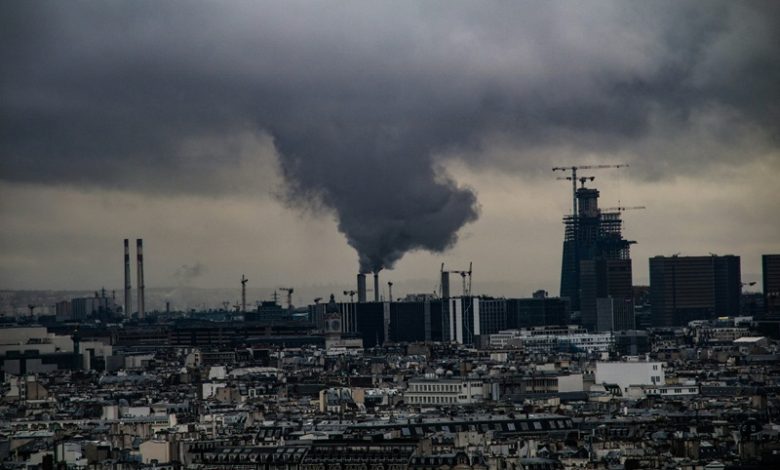
Air pollution remains a serious public health issue in Europe, especially in Eastern / Balkan cities. Fine particulate matter (PM₂.₅) in many urban areas often exceeds the levels recommended by the World Health Organisation (WHO), causing health risks from respiratory disease to premature death. In this article, we look at which European cities are currently among the most polluted, what drives their poor air quality, and what policies or actions are helping (or could help) improve conditions.
Data Sources
- Data from the European Environment Agency (EEA) air quality viewer, covering average PM₂.₅ levels for 2022-2023. (eea.europa.eu)
- Independent reports and rankings (Statista, National Traveller, etc.) for the most polluted European cities in 2024-2025. (Statista)
Most Polluted European Cities (2024-2025)
Here are several cities that consistently show high air pollution, particularly for PM₂.₅, often exceeding EU limits and WHO guidelines:
| Rank / City | Country | Approx PM₂.₅ Level or Pollution Index | Key Drivers of Pollution |
| 1. Sarajevo | Bosnia & Herzegovina | Very high; often among the worst in Europe. Severe winter smog. (AP News) | Coal/wood burning for heating; valley geography; vehicle emissions; inversion layers trapping pollution. (Reuters) |
| 2. Skopje | North Macedonia | Among the worst in many rankings. (Europe of tales) | Traffic pollution; solid fuel usage; geography (mountain surrounded) (euronews) |
| 3. Nowy Sącz | Poland | Very high PM₂.₅; just under EU limits in many reports. (euronews) | Industrial emissions, solid fuel heating, and traffic. (euronews) |
| 4. Cremona, Vicenza, Padova, Venezia, Piacenza | Northern Italy | Among the worst PM₂.₅ averages in Italy. (euronews) | Po Valley conditions: geography traps pollution; agriculture and industry; heating; vehicle emissions. (euronews) |
| 5. Novi Pazar | Serbia | One of the top polluted, especially for PM₂.₅ exposure. (Smart Air) | Solid fuel combustion, industry, topography, etc. |
Comparison With Better-Performing Cities
For contrast, some European cities have very low levels of PM₂.₅, often under or close to the WHO guideline of 5 µg/m³:
- Uppsala and Umeå in Sweden
- Faro, Portugal
- Reykjavik, Iceland; Oulu, Finland; Tallinn, Estonia; Stockholm, Sweden; and Helsinki, Finland also feature among the least polluted.
Reasons for High Pollution
Some of the primary reasons for pollution in certain cities:
- Burning solid fuels (such as coal and wood) for heating which is often with older stoves and is not energy efficient.
- Traffic emissions are the bigger contributors to air pollution and account for most of the urban pollution, older diesel vehicles contributing most of the pollution on the road.
- Geographic or meteorological factors that are non-anthropogenic such as mountain valley or basin accumulation of pollution, temperature inversions, and low wind events.
- Industrial emissions, and lack of emission control and regulation.
- Agricultural activities such as ammonia emissions and burning of crop residue with pre-ferment nitrogen.
- Socioeconomic factors that create pollution such as poor infrastructure and lower enforcement controls.
Health & Regulatory Impacts
- WHO guidelines recommend annual PM₂.₅ below 5 µg/m³ for minimal health risk. Many of the polluted cities are several times higher.
- Exposure to high PM₂.₅ is linked to respiratory and cardiovascular diseases, reduced life expectancy.
- EU air quality standards are stricter than many local regulations in some of the more polluted cities, but many cities exceed EU limit values.
- There are proposals to tighten and update EU ambient air quality directives to align more closely with WHO guidelines.
WHAT IS BEING DONE & WHAT MIGHT HELP
- Some governments are trying to promote cleaner heating (moving away from wood/coal), subsidising cleaner stoves or fuel.
- Improved public transport, limiting older vehicles, and encouraging electric mobility.
- Urban planning to help avoid congestion; more green zones.
- Emissions regulation regarding industry and agriculture.
- Activity monitoring and public awareness campaigns so citizens can act (e.g. not expose oneself during smog).
CONCLUSION
While many European cities have fairly good air quality, there is a group of city(ies)—especially in the Balkans, Eastern Europe, and Northern Italy—that have significant air pollution problems. Sarajevo often tops the lists of worst (air quality). The difference with cleaner cities demonstrates that policy, geography, and investment all matter. Moving forward, local standards aligned more closely with WHO standards, investment in cleaner heating, stricter vehicle emissions, and better urban planning will be key.