
The first thing you notice isn’t the view.
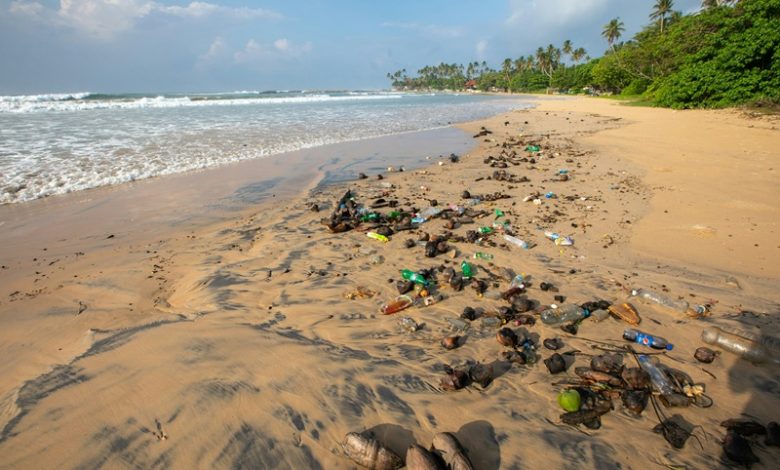
It’s the crunch underfoot—plastic, not shells. The sea smells faintly burnt, the wind carries bits of wrappers that flutter like seaweed.
Around the world, beaches once postcard-perfect now tell a quieter truth. Plastic has outnumbered pebbles in some places, a harsh reminder of how global pollution connects back to Countries Contributing to Ocean Plastic Waste. Here’s where the problem shows itself the most.
Global Plastic Waste Hotspots (2025 Overview)
| Rank | Beach / Location | Main Source of Pollution | Notable Facts |
| 1 | Henderson Island, South Pacific | Ocean gyre debris | 37 million plastic fragments recorded |
| 2 | Kamilo Beach, Hawaii | Pacific drift currents | Locals call it “Plastic Beach” |
| 3 | Guanabara Bay, Brazil | Urban runoff | City drains feed waste directly |
| 4 | Kuta Beach, Bali | Monsoon tides | Crews clean before sunrise daily |
| 5 | Serendipity Beach, Cambodia | Tourism litter | Plastic returns each tide |
| 6 | Juhu Beach, Mumbai | Urban drainage | Volunteers clean every weekend |
| 7 | El Gringo Beach, Dominican Republic | Industrial runoff | Caribbean’s worst-polluted coast |
| 8 | Poche Beach, California | Storm drains | Frequent contamination alerts |
| 9 | Staithes Beach, England | Sewage overflow | Poor water readings year-round |
| 10 | Foreshores Beach, Sydney | Port runoff | Rated “very poor” by local council |
Top 10 Most Plastic-Polluted Beaches Around the World 2025
1. Henderson Island, South Pacific
No people live here, yet it’s buried in bottles. The current carries trash from thousands of miles away. Every gust rattles bits of plastic like dry leaves.
2. Kamilo Beach, Hawaii
Waves bring toys, nets, and shoes from across the ocean. The sand looks colorful at first—then you realize none of it’s coral.
3. Guanabara Bay, Brazil
Fishermen say half their catch is trash. The water smells sour, thick with oil and broken plastic film.
4. Kuta Beach, Bali
By dawn, workers shovel piles of waste. Tourists arrive later, pretending not to notice the bags stacked by the wall.
5. Serendipity Beach, Cambodia
Straws crack underfoot. Vendors sweep, but the waves undo everything by evening. The smoke from burnt trash mixes with sea air.
6. Juhu Beach, Mumbai
Every high tide throws the city’s waste back. Students, office workers, even kids show up Sundays with sacks. The progress lasts a day.
7. El Gringo Beach, Dominican Republic
The sand sticks to oil. Bottles roll with each wave. Locals remember swimming here when the water was clear.
8. Poche Beach, California
After storms, glitter covers the sand—tiny plastic bits catching sunlight. Families still visit, but few step in.
9. Staithes Beach, England
The tide leaves ribbons of trash tangled in seaweed. The gulls peck at them like bait. The smell—cold salt and sewage—never quite fades.
10. Foreshores Beach, Sydney
Close to the docks, ropes, bottles, and packaging foam wash up daily. Workers rake at dawn, and by noon, it looks the same again.
Environmental and Tourism Impacts
Marine life is the first to pay. Turtles mistake bottle caps for food. Fish swallow fragments small as grains of rice. Resorts lose bookings when tourists post pictures of plastic-filled waves.
In Bali, cleanup crews run like clockwork just to keep chairs on the sand. In Mumbai, fishermen patch torn nets after catching garbage instead of fish. The cost isn’t just environmental—it’s human labor, every single day.
Across cities, people still show up. In Mumbai, crowds line the beach with gloves and hope. In Bali, hotel owners pay locals to start before sunrise.
Hawaiian schools collect and sort debris into bins labeled by color. Sydney placed mesh traps at drains; they fill faster than expected. It’s not enough yet, but it’s movement—hands against the tide.
Hope Beyond the Shoreline
Change creeps in small steps. Single-use plastics are being banned. Some artists turn beach waste into sculptures near ports and parks.
Children in coastal towns learn recycling before arithmetic. A few beaches now stay clean for weeks. The sea still gives back what’s dumped into it, but at least, someone’s waiting to take it out again.
FAQs
1. Which beach is the most plastic-polluted in 2025?
Henderson Island in the South Pacific remains the worst, with millions of fragments washed ashore.
2. Why is Kamilo Beach called “Plastic Beach”?
Because Pacific currents push floating debris straight toward Hawaii’s southern coast.
3. How does plastic pollution affect tourism?
It reduces visitors, forces higher cleanup costs, and hurts coastal businesses.
4. Are cleanup drives helping?
Yes. Small improvements appear where locals clean regularly, especially in Mumbai and Bali.
5. Can polluted beaches recover?
Gradually. With laws against plastic and steady community effort, some already are.