Global Biodiversity Hotspots: Countries with the Richest Species Diversity
Find out which nations have the wealthiest biodiversity, as well as the vast number of species in Brazil and the unique traits of island countries and why it is important.

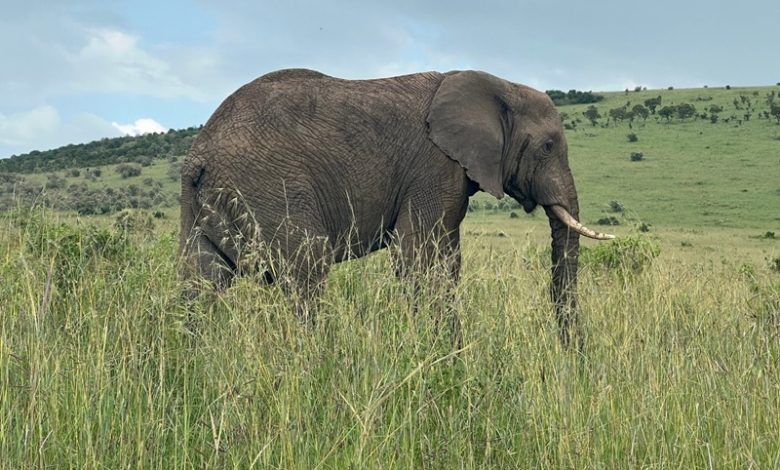
The abundance of life, biodiversity, in general, on this planet, plants, animals and ecosystems are not evenly distributed. The world’s list of species is dominated by a few countries through the generous landscapes and tropical weather, as well as the stability in the habitats over long periods of time. At the forefront is Brazil, where most of the species are reported in the world, and other countries like Colombia, Indonesia, China, and Mexico have different ecosystems and species specialism. These countries are global biodiversity spots that are not only essential in conservation but also for the ecological stability of the planet. To explore more about the importance of natural habitats and ecosystem diversity, you can also check interesting facts about Allegheny National Forest.
Global Biodiversity Hotspots at a Glance
| Country | Key Features of Biodiversity |
| Brazil | Highest number of amphibians, mammals and vascular plants; home to large share of Amazon rainforest. |
| Colombia | Among the world’s most biodiverse per area, and leads in bird species globally. |
| Indonesia | A major marine biodiversity hotspot (Coral Triangle) and high rates of endemic plants across its archipelago. |
| China | Huge variation in ecosystems from tropical to temperate; many endemic species such as the giant panda. |
| Mexico | Wide variety of habitats and species; rich in reptiles and plants. |
| Australia | Extremely high endemism—many species found nowhere else (e.g., platypus, koala). |
| Peru | Major biodiversity hotspot, especially for plants and rainforest ecosystems. |
| India | Rich biodiversity due to varied topography including the Himalayas and Western Ghats. |
| United States | A large range of ecosystems (tundra to tropical) leads to high biodiversity, especially fish and reptile species. |
| New Zealand | Isolation has produced unique and endemic species, contributing to its status as a biodiverse nation. |
The above table is a list of ten countries that are considered to be the biodiversity giants around the world. Both possess certain ecological and geographical features which make their borders rich with the types of species. For example:
- Brazil is a place that takes the enormous Amazon rainforest, including Cerrado and Atlantic Forest biomes, and thus is ahead in terms of the total number of species.
- The diversity in elevation and ecosystems gives Colombia an extraordinary proportion of the world’s species, particularly bird species, considering it is a smaller country in comparison with Brazil.
- The Indonesian archipelago is a compilation of islands with varied evolutionary backgrounds (Asian and Australasian) that support both endemism and biodiversity in the sea.
- Large land areas and varied climates favour China; mountainous areas and remote habitats have numerous species, of which none exist elsewhere on earth.
- The ecological niches are numerous in Mexico because of its location between North and Central America, and the deserts, jungles, and mountains.
- The others (Australia, Peru, India, the United States, and New Zealand) all contribute different sets of isolation, habitat dynamics, climatic gradients or evolutionary history, which contribute to high biodiversity.
This table can be used to understand that many of the most biologically rich countries on Earth rely on just a few countries that require extensive conservation.
FAQs
How does a country become biodiverse?
As a rule, biodiversity is estimated in terms of species richness (number of different species) and endemism (species present in a single location). Such things include the variety of habitats, the stability of climate, the isolation of islands or mountains, and evolutionary history.
What made Brazil the top in biodiversity?
Brazil is home to large rainforests, savannas and wetlands; it is perhaps sufficient to represent approximately 12-13% of the world’s species in major groups.
Is an increase in biodiversity associated with an increase in conservation status?
Not always. Having biodiversity does not mean that it is well preserved. Hotspots are threatened with deforestation and loss of habitats and the climate. Biodiversity can be rich, and thus more urgent about conservation.
Are other smaller countries also important hosts of biodiversity?
Yes. Large states rule the world in terms of total number of species, but small states or islands with an isolated habitat may be very biodiverse on a per-area basis. Megadiverse countries concentrate on the countries that have high aggregate numbers.