How 9 Reasons Milano–Cortina 2026 Turned Into a Climate Case Study
Milano–Cortina 2026 faces climate pressure. Here are 9 reasons this Winter Games is now a global climate case study, covering snow, travel, and infrastructure.

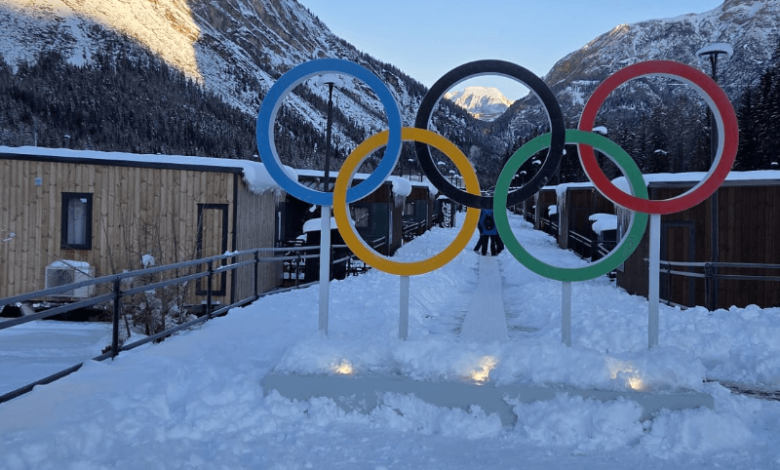
Milano–Cortina 2026 is not just another Winter Olympics. It is becoming a real-time test of how winter sport can run in a warming world. Organizers call it a reuse-first model. Critics call it a warning sign. What makes this edition different is that every design choice, from venue location to sponsor mix, is being read through a climate lens.
Why This Edition Is Under A Climate Microscope
- It is the most geographically dispersed Winter Games, spread across over 22,000 sq km.
- That scale puts transport planning and travel emissions at the center.
- Organizers reused infrastructure heavily, with more than 90% existing or temporary venues.
- Snowmaking teams faced tighter cold windows as temperatures stayed too warm in daytime.
- Artificial snow became a core operational backup, with extra cannons deployed in Livigno.
- Big infrastructure deadlines, like the Cortina cable car, stayed under pressure close to opening.
- Sponsorship itself became part of the climate argument, with Greenpeace targeting fossil-linked branding.
- External analysis now models direct and sponsor-linked impacts on snowpack and glacier loss.
- The IOC’s own climate targets keep the Games under a global accountability lens.
Official News Post To Watch
Reuters posted an official Instagram reel on the event’s environmental pressures: Reuters Reel.
Useful External Reading
Milano–Cortina now sits in open public view as a test run for future Winter Games. If this model works, reuse-heavy hosting may become standard. If it struggles, climate risk will shape bidding, budgets, and sponsorship rules much faster than expected.
FAQs
Why is Milano–Cortina called a climate case study?
Because it combines snow risk, travel emissions, sponsor scrutiny, and adaptation decisions in one event.
Are organizers building many new venues?
Mostly no; planners reused existing sites and temporary setups to limit new construction and waste.
What climate pressure is most immediate?
Reliable snow is hardest, since warm days shrink snowmaking windows and raise water pressure significantly.
Did sponsorship become part of the debate?
Yes, activists challenged fossil linked sponsorships, arguing brand partnerships can conflict with winter sustainability goals.
What legacy question remains after 2026?
Whether future Winter Games can stay competitive, affordable, and climate relevant without expanding footprints further.