Migratory Birds That Brighten India
Discover the most beautiful migratory birds that visit India every year, why they migrate, and how these seasonal visitors enrich India’s biodiversity.

Every winter, India turns into a living, breathing spectacle. Thousands of migratory birds swoop in from faraway places, escaping freezing temperatures, hungry for food, and searching for safe places to breed. They don’t just pick one spot either—wetlands, lakes, deserts, coastlines—you’ll find them all over the country. These travellers aren’t just pretty to look at; they help keep nature in balance and give birdwatchers plenty to get excited about.
Ornithologists have counted over 370 migratory bird species that visit India. That’s a huge number, making the country one of Asia’s top winter destinations for birds. Their arrival isn’t just a treat for the eyes—it means India’s ecosystems are healthy and its biodiversity is thriving.
Why do these birds keep coming back to India?
Well, there’s a good reason. The winters here are milder, wetlands are full of food, and there are plenty of safe places to rest and breed. From Himalayan lakes to thick mangroves along the coast, India offers a buffet of habitats. Its spot right along major migration routes like the Central Asian Flyway makes it a natural pit stop—and sometimes a winter home.
Let’s talk about some of the star visitors
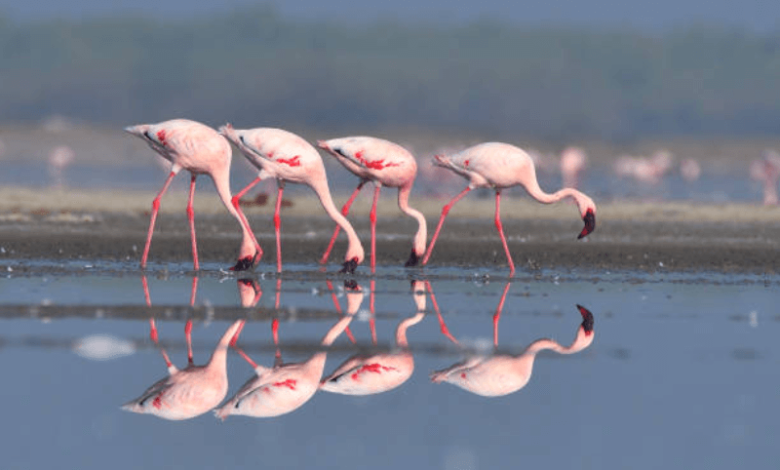
First up, flamingos. These pink beauties steal the show wherever they land. Every year, thousands of greater and lesser flamingos arrive from places like Iran and Africa. You’ll spot them in Gujarat’s Rann of Kutch, Mumbai’s Thane Creek, and Andhra’s Pulicat Lake. That famous pink hue? It comes from the algae and shrimp they eat. When you see a massive group of flamingos, you’re looking at a sign of a healthy wetland.
Then there are Siberian cranes, champions of long-distance flight. They travel more than 5,000 kilometres to places like Keoladeo National Park in Bharatpur. Their numbers have dropped because of habitat loss, but their epic journeys remind us just how important international conservation is. These birds depend on many countries along their route to survive.
Bar-headed geese are next, and honestly, they’re something else. They cross the Himalayas, flying over 29,000 feet—higher than Mount Everest’s summit. They come from Central Asia, heading for lakes and wetlands in northern India. Their bodies are built for low-oxygen, high-altitude flights, making them one of the world’s true avian marvels.
Don’t forget the Amur falcons. These tiny raptors pull off one of the longest non-stop flights of any bird, crossing from Siberia and northern China all the way to southern Africa. On the way, they stop in Nagaland and Manipur, turning these spots into conservation success stories.
Pelicans and ducks add to the party every winter. You’ll see northern pintails, garganeys, and spot-billed pelicans crowding lakes and sanctuaries like Chilika, Bharatpur, and Vembanad. These places come alive with flapping wings and wild calls during migration season.
Why do these birds matter so much?
For starters, they spread seeds, control pests, and keep wetlands healthy. They also bring in tourists, which helps local communities. Plus, birds are like nature’s early warning system—a drop in their numbers usually means something’s wrong with the environment.
How can India keep these feathered travellers coming back?
It starts with saving and restoring wetlands, cutting down on pollution and plastic, and encouraging responsible tourism. Local people need to get involved, too. When communities and governments work together, India remains a safe haven for birds crossing continents.
FAQs
1. When’s the best time to see migratory birds in India?
Go birdwatching from October to March—the winter months are prime time.
2. Where should you go?
Check out Keoladeo National Park (Bharatpur), Chilika Lake, or the Rann of Kutch. These are the top spots.
3. Why are migratory birds declining?
Mostly because of habitat loss, pollution, climate change, and illegal hunting.
4. Can you see migratory birds in cities?
Absolutely. Thane Creek in Mumbai and the Yamuna floodplains in Delhi are great urban birding spots.
5. How can you help?
Support conservation, don’t disturb the birds, and spread the word. Every bit counts.