Cut Exposure to Microplastics in Food and Water With Simple Daily Shifts
Find out why microplastics end up in food and water, the main sources behind them, and simple actions that help cut exposure and make your everyday routine safer.

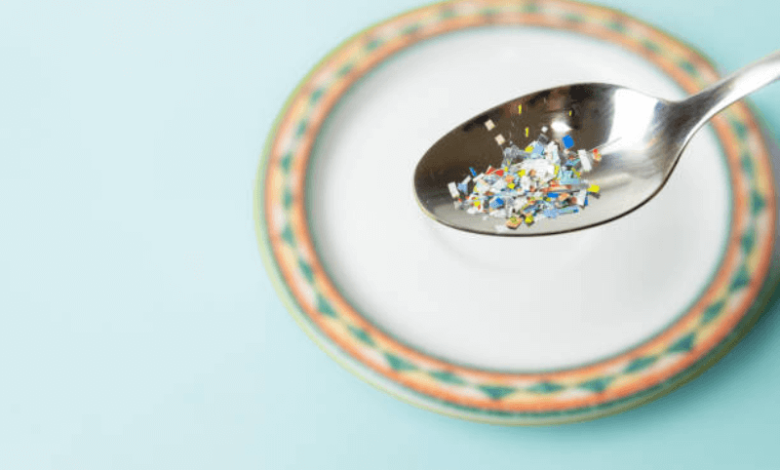
Ever wonder why plastic shows up in seafood, table salt, and bottled water? Tiny fragments called microplastics come from larger plastic waste breaking down, synthetic clothing fibers, tire wear, and industrial plastic pellets lost in transport. UNEP explains these particles move through water, soil, air, and food webs, so they finally reach what we drink and eat.
They are now detected from ocean trenches to mountain snow, which shows how mobile they are. Trend check in one click: AP’s official X post.
Where Exposure Happens Most and What Helps
Research has made this issue less abstract. NIH highlighted findings that single-use bottled water can contain very high numbers of plastic particles, including nanoplastics. A 2024 NEJM paper indexed on PubMed reported that people with microplastics found in carotid plaque had higher risk of major cardiovascular events; this is an association signal, not final proof of direct causation.
Policy is moving too: an EU law on preventing pellet losses entered into force on December 16, 2025, while UN treaty talks on plastic pollution adjourned without consensus on August 15, 2025.
Everyday Sources You Can Control
Common pathways include bottled drinks, plastic food packaging, some tea bags, seafood, kitchen dust, and plastic cutting boards. Heating food in plastic containers may increase particle and chemical migration.
Low-Stress Steps to Cut Daily Intake
Choose filtered tap water where safe, reduce bottled water use, avoid microwaving plastic, shift hot-food storage to glass or steel, wet-dust and vacuum often, and buy fewer ultra-processed packaged foods. These changes do not remove exposure completely, but they can lower it meaningfully over time.
FAQs
1) Does boiling water remove microplastics?
Boiling kills germs, but it does not remove microplastics; filtration works better for particle reduction.
2) Is bottled water always worse than tap water?
Not always, but studies show many bottled samples carry high plastic counts versus treated tap.
3) Are children more vulnerable to microplastic exposure?
Children may face higher relative exposure due smaller body size, diet patterns, and developing organs.
4) Can I avoid microplastics completely?
No, exposure is widespread, but daily habits can reduce intake from food, water, and dust.
5) What is the fastest home habit to start?
Switching from bottled water to filtered tap usually cuts one exposure route immediately at home.