Reality Check on Microplastics: 9 Habits to Lower Daily Exposure
Take a Microplastics Reality Check through 9 simple habits that quietly cut exposure. Practical steps, safer routines, and small changes for cleaner living.

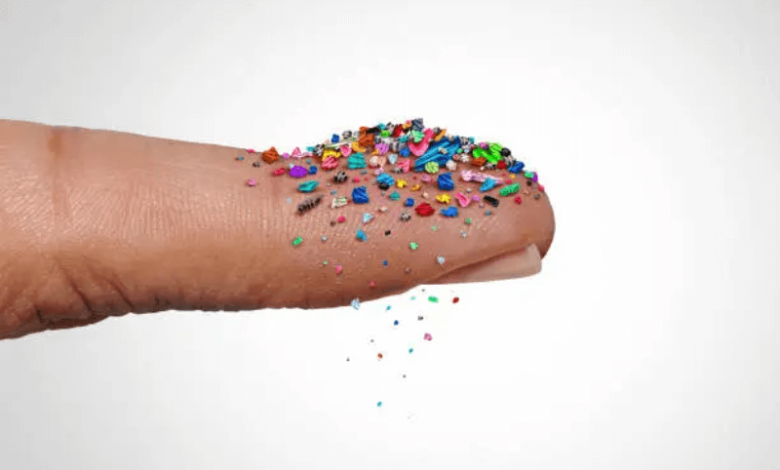
Microplastics are now found in water, air, food, and even human tissue, so the goal is reduction, not perfection. Recent coverage around bottled water testing and UN plastic talks has pushed this issue back into everyday conversations, especially among urban families trying practical changes first.
9 Simple Habits That Actually Cut Daily Microplastic Contact
Start with your kitchen and laundry, because that is where exposure stacks up quietly.
- Prefer filtered tap water over frequent single-use bottled water.
- Do not microwave food in plastic containers; switch to glass or ceramic.
- Replace scratched non-stick cookware when coating starts breaking down.
- Store leftovers in glass jars, not thin takeaway plastic.
- Reduce synthetic-fabric washing loads; polyester sheds microfibres.
- Use gentler wash cycles and fuller loads to lower fibre release.
- Ventilate while vacuuming and dusting; indoor dust can carry microplastics.
- Choose loose-leaf tea or low-plastic packaging where possible.
- Cut ultra-processed, heavily packaged food frequency each week.
WHO has noted evidence gaps but still supports reducing plastic pollution as a sensible preventive path, and UNEP keeps stressing that microplastics are now widespread across ecosystems and bodies.
Why This Matters Right Now
The global plastics treaty process has faced delays, so personal habits are the immediate control point while policy catches up. That is why these small swaps are trending: they are affordable, realistic, and visible in a week. Official UNEP post on microplastics: UNEP on X
FAQs
1) Can I remove microplastics completely from life?
No, but you can reduce exposure a lot through water, food, laundry, and packaging choices daily.
2) Is bottled water always worse than tap water?
Many tests show higher particles in bottled options, though quality varies by source and treatment.
3) Do natural clothes help reduce exposure risk?
Yes, cotton and wool usually shed fewer plastic microfibres than polyester during regular machine washing.
4) Should I stop using all plastic containers immediately?
No panic needed; prioritize replacing old, scratched, and heat-exposed plastic first for safer gradual transition.
5) Is policy action happening globally on microplastics now?
Yes, treaty negotiations continue, but progress is slow, so household habits matter right now most.