Areas Most At Risk As Miami Saltwater Intrusion Rises And Water Turns Salty
Miami Saltwater Intrusion: Why Drinking Water Turns Salty, And Which Areas Are Most At Risk is now a major concern. See how intrusion spreads and which regions face early impact.

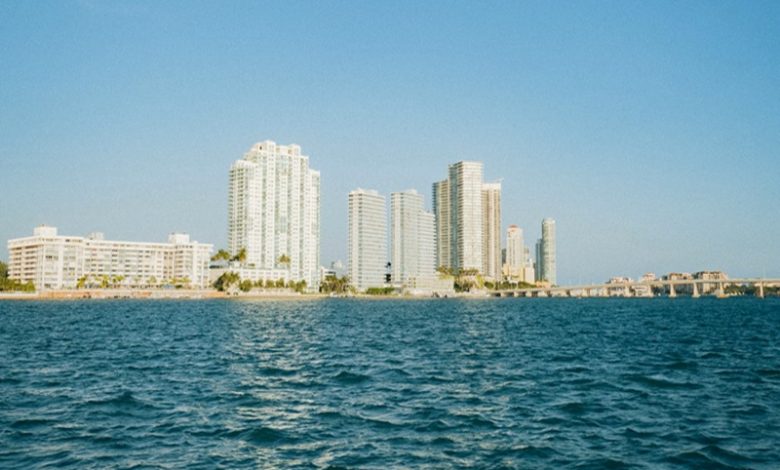
Miami’s drinking water story starts underground in the Biscayne Aquifer, a shallow, highly permeable limestone aquifer that supplies Miami-Dade. That same geology makes it productive and vulnerable. When sea level pressure, over-pumping, and drought lower freshwater levels, saltwater can push inland through the aquifer. Miami-Dade and South Florida water managers are again stressing conservation during the 2026 dry spell because low aquifer levels raise saltwater intrusion risk.
Why The Water Turns Salty And What It Means For Miami
Saltwater intrusion happens when the freshwater “pressure” in the aquifer weakens. In simple terms, less freshwater underground means seawater can move farther inland and mix into groundwater near coastal zones and vulnerable wellfield areas. USGS notes the Biscayne Aquifer’s coastal location and permeable karst limestone make it especially susceptible.
A fresh warning sign came this month: Miami-Dade’s WASD said drought conditions and higher water use lowered Biscayne Aquifer levels, prompting a water shortage warning and voluntary conservation push. The county also said service remains uninterrupted for about 2.8 million people, but officials are closely monitoring wells and treatment plants.
Which Areas Are Most At Risk Right Now?
USGS’s latest mapping update (published December 2025, based on 2022 conditions) found the saltwater interface moved farther inland in both northern and southern Miami-Dade, with the biggest advance in the southern Model Land Area (up to 0.8 km), and smaller northward movement up to 0.3 km. East-central Miami-Dade was relatively unchanged versus 2018.
For live local updates, Miami-Dade Water & Sewer has been posting conservation alerts on X.
Why This Is Trending Now
South Florida’s current drought and low rainfall have made aquifer levels a headline issue again, especially because intrusion risk rises during prolonged dry periods.
FAQs
1. Is Miami tap water already unsafe to drink?
No broad shutdown reported; officials say service continues, but aquifer levels and intrusion risk are monitored closely.
2. What causes saltwater intrusion in Miami specifically?
Coastal location, porous limestone aquifer, drought, sea-level rise, and heavy groundwater demand increase intrusion risk.
3. Which Miami-Dade areas face higher risk first?
Eastern coastal zones and mapped northern/southern intrusion fronts, especially the southern Model Land Area.
4. Can residents help slow the problem?
Yes, reducing non-essential use helps stabilize aquifer levels and lowers pressure during dry months.
5) Are there mandatory restrictions in Miami-Dade now?
Current warning encourages voluntary conservation; officials warned stricter measures could follow if conditions worsen.