Mexico City Air Quality 2026: Are Car Restrictions Effective?
Discover if urban pollution policies and emission reduction measures actually work. Explore the future of CDMX smog control and atmospheric health today.


The megalopolis has long battled environmental challenges, making its atmospheric health a top priority for the government. With the warm season historically bringing thermal inversions and high ozone levels, officials have doubled down on urban pollution policies. But do these strategies actually yield long-term benefits?
Evaluating Current Urban Pollution Policies
Programs like the daily driving bans limit vehicle usage based on license plate numbers and compliance stickers. While originally intended to minimize traffic and airborne toxins, modern studies present a mixed review of such emission reduction measures. Some experts argue that residents simply bypass the rules by purchasing secondary, often older, vehicles, which heavily offsets the intended environmental benefits.
The Impact of Emission Reduction Measures
Despite public skepticism, authorities maintain that these protocols are necessary to prevent extreme atmospheric emergencies during peak heatwaves. The local environmental secretariat continuously monitors daily particulate matter and ozone precursors, activating immediate contingency plans when hazardous thresholds are crossed.
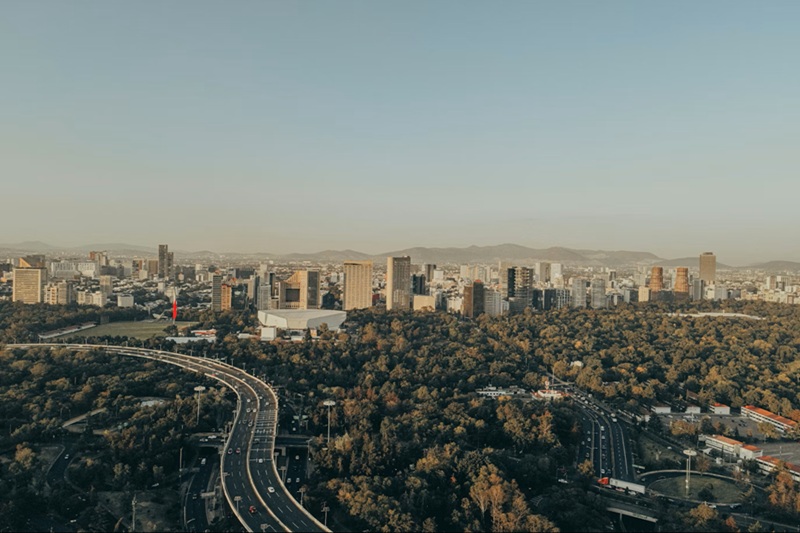
Future Outlook on CDMX Smog Control
To achieve sustainable progress, modern CDMX smog control must evolve beyond simple driving limitations. Expanding public transit systems, promoting electric vehicles, and strictly regulating industrial outputs are crucial next steps. Relying solely on daily plate restrictions is no longer sufficient to secure a healthier environment for the millions of residents navigating the capital.
(FAQs)
1. What is the main program limiting driving in the capital?
The primary protocol restricts certain vehicles from operating on specific days (and sometimes Saturdays) to manage atmospheric conditions.
2. Why are these regulations strictly enforced during spring?
Spring brings dry, warm weather and thermal inversions, which trap toxins and accelerate the rapid formation of ground-level ozone.
3. Do these driving limitations actually improve the environment?
The long-term effectiveness is highly debated. While they prevent immediate emergency peaks, socioeconomic studies show they sometimes encourage the purchase of second, older vehicles.
4. Where can I check the daily driving rules?
Residents can check the daily status and alerts directly through the local environmental secretariat’s official website or their verified social media channels.