The Real Reason Methane From Frozen Soil Alarms Scientists
Scientists explain why methane release from frozen soil alarms experts as rapid thaw exposes old carbon stores, adding powerful warming pressure across climate systems.

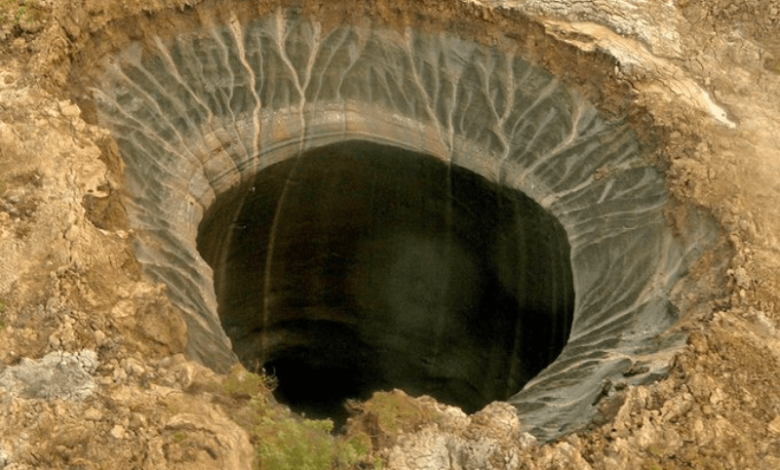
Frozen soil used to be treated as a stable carbon vault. That view is fading fast. As Arctic permafrost thaws, microbes start breaking down long-frozen plants and organic matter, releasing methane and carbon dioxide into the air. Scientists worry because methane is a short-lived but very powerful warmer, with roughly 80 times the warming impact of CO2 over 20 years.
Atmospheric methane is already extremely high: NOAA’s 2024 update shows global methane near 1921.79 ppb, and the yearly increase continued. That means every additional thaw season now carries more climate risk than before.
What Is Driving The Alarm Right Now
The alarm now comes from feedback, not one-off events. NOAA’s 2024 Arctic Report Card says the Arctic remains a consistent methane source, while wildfire pressure has pushed tundra carbon balance in the wrong direction.
NASA’s 2024 permafrost study adds scale: frozen northern soils store about twice as much carbon as the atmosphere currently holds. Even a partial release can intensify warming. Scientists also track abrupt thaw, where ice-rich ground collapses quickly; one Nature analysis found abrupt thaw can produce substantially higher greenhouse-gas release than gradual thaw in some regions.
What Scientists Are Tracking Next
Methane growth in 2024 was lower than some earlier spike years, but total atmospheric loading is still near record territory. That is why this topic keeps surfacing in climate briefings, newsroom explainers, and Arctic field reports. NASA Climate’s Official X Post.
Researchers are watching thresholds closely: deeper seasonal thaw, more fire scars, expanding thaw-lakes, and stronger microbial methane pulses. Because methane acts quickly, this is a near-term risk, not only a century-end problem. In policy terms, waiting raises adaptation costs.
FAQs
1) Is permafrost methane already bigger than oil and gas methane?
Not yet globally, but permafrost emissions are rising and can amplify human methane burdens quickly.
2) Why is methane especially dangerous in the short term?
Methane traps far more heat than carbon dioxide over twenty years, so warming accelerates rapidly.
3) Can the risk still be reduced now?
Full reversal is hard, but cutting fossil methane and warming can slow extra permafrost emissions.
4) Do all thawing areas emit the same methane volume?
No, wet low-oxygen soils and thaw lakes release more methane than drier, better-aerated ground zones.
5) What should governments prioritise first?
Prioritise methane cuts, wildfire control, Arctic monitoring, and adaptation plans for vulnerable northern communities now.