
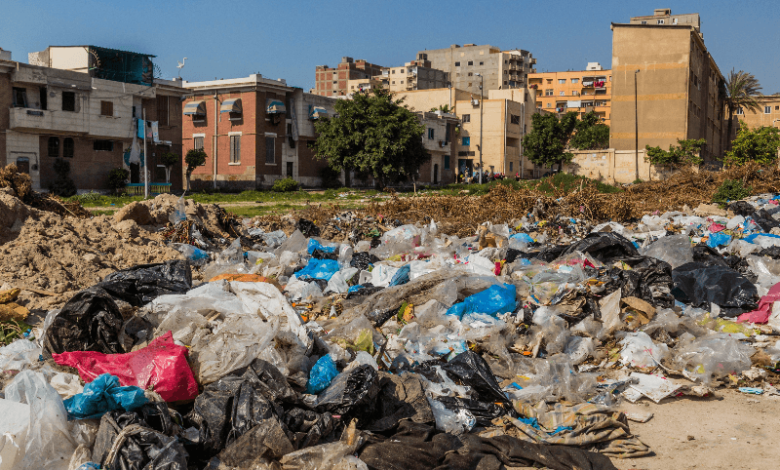
From beachfront cities to desert megaprojects, rubbish is turning into a balance-sheet problem. A fresh World Bank warning says mismanaged waste in the Middle East and North Africa is already costing about US$7.2 billion a year in environmental damage, and the bill rises every time bins overflow into wadis, landfills leak, or trash gets burned in the open. With no course-correction, regional waste volumes are projected to nearly double by 2050.
The Real Leak: What Happens After Collection
MENA produces over 155 million tonnes of waste a year and collects much of it, but the “after” part is where money disappears. When waste is dumped without liners, burned, or left to drift into waterways, governments pay twice: first for collection, then for health costs, soil and groundwater cleanup, and lost tourism value. Add methane from rotting organics, and climate targets get pricier too The official post (X).
Plastic, Smoke, And Tourism Losses
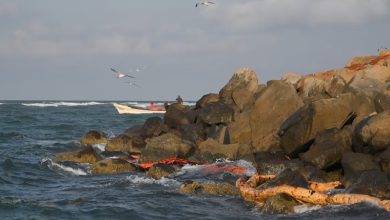
Two-thirds of the region’s waste is still mismanaged and less than 10% is reused, recycled, or composted. That gap shows up as marine litter on popular coasts, smoky skies from informal burning, and higher operating costs for cities trying to look “investment ready” ahead of global events and visitor seasons.
Why The Fix Is Suddenly Trending
After COP28, waste-to-energy and circular economy talk has moved from panels to procurement. The World Bank is even taking the debate on the road, launching its regional findings at industry forums such as IFAT Saudi Arabia with the International Solid Waste Association. Across the region, the quickest wins are boring but effective: separating organics, pricing disposal properly, enforcing hauling rules, and paying operators for outcomes, not tonnage.