Why Mangrove Forests Are Vital for Coastal Protection in Vietnam
Mangrove forests in Vietnam protect coastlines from storms and erosion while supporting biodiversity and fisheries. Discover their vital role today.

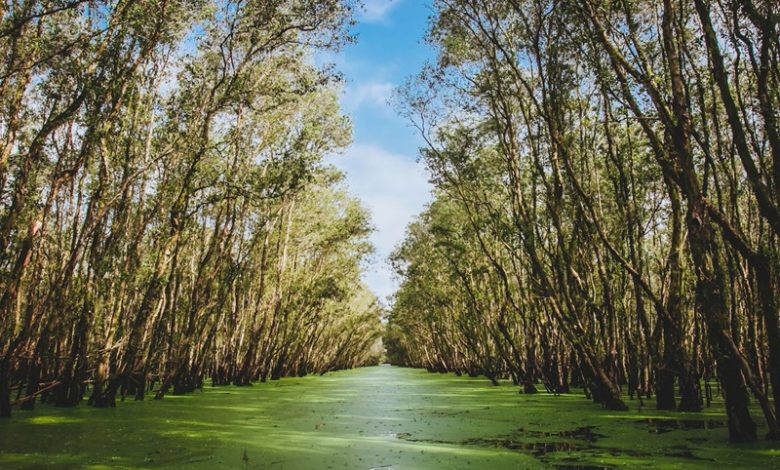
The coastline is very long, and storms, floods, and coastal erosion are common occurrences in Vietnam; thus, natural defenses are needed to defend the communities. The use of Mangrove forests Vietnam is important, that serves as a natural protection against the waves and storms in the form of natural barriers. These ecosystems minimize soil erosion, stabilize soil, and shield coastal facilities in extreme weather. Besides protecting the coast in Vietnam, mangroves are important in fisheries, biodiversity, and the storage of carbon. In an effort to enhance climate resilience and safeguard vulnerable coastal villages in the climate-prone Mekong Delta and other areas, conservation efforts and mangrove restoration Vietnam projects are currently increasing.
Mangrove Forests Vietnam and Coastal Protection
The thick root network of the mangrove forests Vietnam stabilizes the coastal soils and lessens the impact of the ocean waves. Such roots entrap sediments and avoid coastal erosions, which shields against the slow erosion of land along the shoreline.
Mangroves are also a natural barrier in storms and typhoons by slackening the storm surges before they hit the communities in the inland areas. This renders them a significant part of Vietnam coastal protection strategies.
Environmental Benefits of Mangrove Ecosystems
The mangroves are also the hotspots of biodiversity that serve fish, birds, and other marine life. Many of the fish species of commercial importance are nurtured in these ecosystems, supporting local fisheries and coastal livelihoods.
They are also known to store huge quantities of carbon thus helping to reduce climatic change as well as enhance the health of water and the marine ecosystem.
Mangrove Restoration Vietnam Projects
The Mekong Delta and Red River Delta restoration efforts are meant to restore lost and degraded mangrove habitats. The local societies cooperate with the government agencies and other environmental organizations to plant mangrove trees and safeguard the coastal systems.
These projects enhance mangrove restoration Vietnam activities and enhance sustainable coastal management.
Threats Facing Mangrove Forests in Vietnam
Despite their importance, mangroves face threats from aquaculture expansion, urban development, and climate change. Coastal infrastructure projects often replace mangrove habitats, reducing natural defenses.
Strengthening conservation policies and sustainable planning is critical to ensure long-term protection.
Official Social Media Post
FAQs
1. Why are mangrove forests important for coastal protection?
Mangrove forests reduce wave energy and stabilize coastal soil through their dense root systems. This helps protect shorelines and nearby communities from storms and erosion.
2. Where are the main mangrove forests located in Vietnam?
The largest mangrove forests are found in the Mekong Delta and Red River Delta. These regions rely on mangroves to protect coastlines and support fisheries.
3. How do mangroves reduce storm damage?
Mangrove trees act as natural barriers that slow storm surges and waves before they reach land. Their roots and dense vegetation absorb wave energy.