
The Hidden Dust Source In Lucknow: Construction Corridors Raising PM10 Levels
Lucknow’s dusty skies often appear even on quiet traffic days. Discover how construction corridors, exposed soil, and road debris push PM10 pollution across the city.

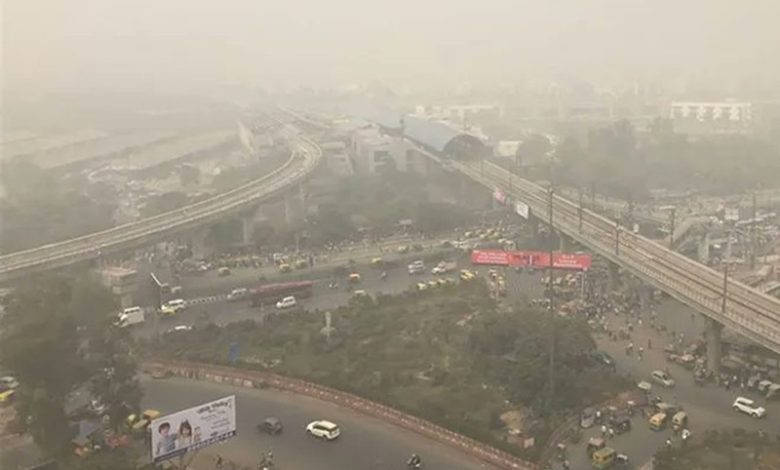
Lucknow’s air does not always turn dusty because of bumper-to-bumper traffic. On some quieter days, the bigger culprit is much closer to the ground: exposed soil, broken road shoulders, demolition debris, and large construction corridors that keep releasing coarse particles into the air. PM10, the heavier particulate matter that comes from dust, rises fast when roads are dug up, materials are left uncovered, and winds or passing vehicles keep re-suspending that dust back into the atmosphere. Recent reporting and official action in Lucknow have repeatedly pointed to road dust, construction waste, and debris management as key local triggers.
Why PM10 Stays High Even When Traffic Looks Light
This is the part many residents notice but cannot always explain. A road may look relatively empty, yet the air still feels gritty. That usually happens when construction activity has already loaded the corridor with loose dust. Once that layer settles on carriageways, medians, footpaths, and vacant edges, even light vehicle movement can kick it back up. Add dry weather, unfinished civil work, and uncovered transport of sand or debris, and PM10 can stay elevated without a classic traffic jam. Studies and recent local coverage both connect Lucknow’s particulate burden to road dust, construction activity, and waste or biomass burning, not just tailpipes.
The Dust Corridor Effect Is Becoming Harder To Ignore
Lucknow’s expanding infrastructure story is part of the problem. The city and state continue to push road connectivity and urban works, which is economically important, but active corridors can also become open dust channels if mitigation slips. Reports from Lucknow have described government and civic projects where debris, stone cutting, dug-up surfaces, and uncovered material handling worsened local air conditions. At the same time, the municipal response has focused on water sprinkling, mechanical sweeping, anti-smog deployment, hotspot mapping, and stricter action on construction and demolition waste.
What The City Is Doing, And Why It Still Feels Uneven
There is movement on solutions. Lucknow Municipal Corporation has promoted its construction-and-demolition waste recycling system, while the Uttar Pradesh government has also spoken about dust-free roads and stronger clean-air planning. But on-ground consistency remains the real test. Dust control only works when it is daily, visible, and enforced corridor by corridor, not only during peak pollution headlines. That is why some low-traffic days still look deceptively dirty. The vehicles thin out, but the dust reservoir remains.
FAQs
1. Why does PM10 rise when roads are not crowded?
Loose dust gets re-suspended by wind, light vehicles, and ongoing construction movement across corridors.
2. Is construction dust different from exhaust pollution?
Yes, PM10 often comes from soil, debris, cement particles, and broken road surfaces.
3. Why are widening roads major dust hotspots?
They expose raw soil, increase debris piles, and disturb settled particles for weeks.
4. Can water sprinkling alone solve the problem?
No, it helps temporarily, but covering debris and sweeping roads matter more.
5. Does Lucknow have official dust-control action underway?
Yes, civic authorities have announced sweeping, sprinkling, inspections, and demolition-waste enforcement.