ULEZ Findings Shift: London’s NO2 Drops, PM2.5 Reality Complicates Data
London ULEZ Results outline clear NO2 improvement yet limited PM2.5 progress. This breakdown explains what the data suggests about mixed outcomes and next-step actions.

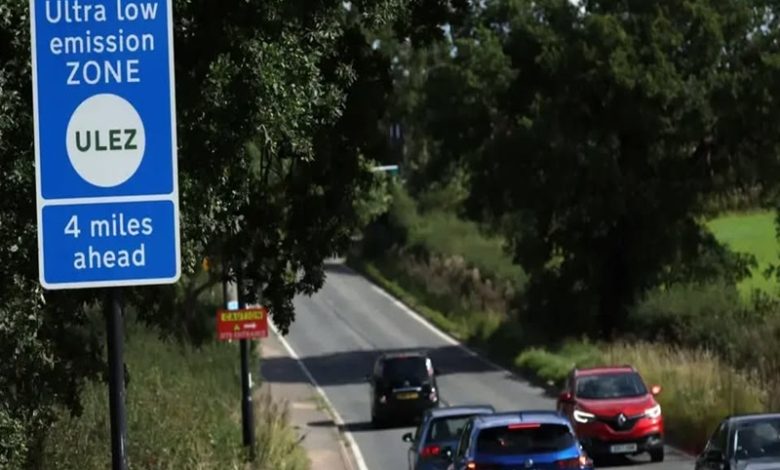
London’s ULEZ conversation has shifted from slogans to measurement. The newest citywide assessment shows a clear split between gases and particles: roadside nitrogen dioxide (NO2) has dropped meaningfully against a no-ULEZ scenario, including a reported 27% reduction across London, with stronger gains in central and inner areas.
That matters because NO2 is closely tied to traffic exhaust at street level, where exposure is highest for people walking, cycling, and living near busy roads.
What The Latest Numbers Show
In the March 2025 one-year report, outer-London roadside NO2 concentrations were estimated up to 4.8% lower in the first year after expansion. The same report says PM2.5 exhaust emissions from cars and vans in outer London were 31% lower than the no-expansion scenario, and ULEZ compliance reached 96.7% by September 2024.
Separately, UK compliance reporting shows Greater London was compliant with the legal annual NO2 limit in 2024. Even media framing has followed the data; for example, see BBC News on X.
Why PM2.5 Still Looks Stubborn
PM2.5 is the harder problem. Transport for London says around three-quarters of road-transport PM2.5 now comes from non-exhaust sources like brake and tyre wear. Peer-reviewed analysis also found PM2.5 impacts were limited or statistically weak at many background sites, even where NO2 fell.
So yes, ULEZ is delivering measurable NO2 progress, but PM2.5 improvement now depends on broader action: cleaner heating, less road dust, and stronger regional coordination on transported pollution.
FAQs
1) Did ULEZ reduce NO2 in London?
Yes, official evaluations show substantial roadside NO2 reductions, especially in central, inner, and outer London.
2) Why did PM2.5 not fall at the same pace?
Because PM2.5 comes from brake wear, tyres, heating, and regional pollution beyond vehicle exhaust alone.
3) Can ULEZ be called successful overall?
For NO2 control, yes; for PM2.5, progress is real, but a complete solution needs time.
4) What policies are needed next for PM2.5?
Tighter non-exhaust standards, cleaner heating, freight upgrades, anti-idling enforcement, and stronger regional coordination are needed.
5) Is there immediate public health value from current results?
Lower NO2 exposure supports health benefits now, while deeper PM2.5 cuts need broader sustained action.