Why Cities Like London Feel Warmer Now (Simple Guide)
Learn why London is getting warmer with more heatwaves, urban heat island effect, and climate change explained in simple terms.

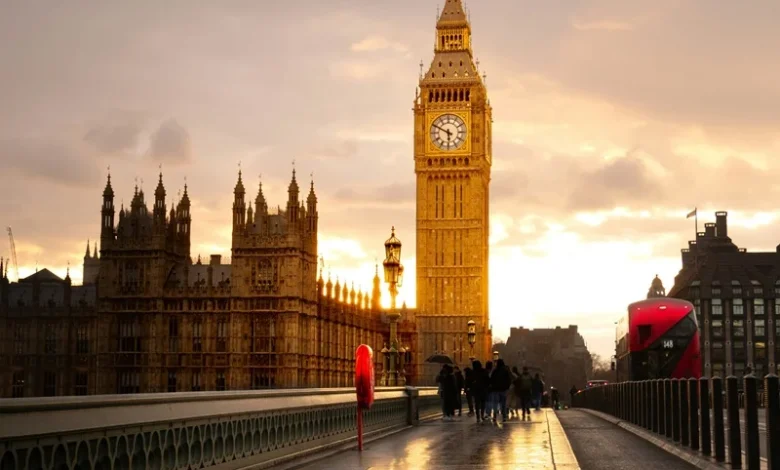
In fact, London is now subject to warming effects from increased summer temperatures. More days over 30°C are recorded in summers, along with an increased frequency of heat waves as a component of a more extensive global climate change-driven increase in both the average temperature and the frequency of extreme heat events.
Additionally, there is also a higher incidence of warm nights—thereby creating an overall longer time period through which the city does not cool down after sunset; thus, the sensation of heat is sustained and uncomfortable compared to previous decades.
How the Urban Environment Traps Heat
A primary reason for London’s hotter climate is attributable to the Urban Heat Island Effect (UHI); namely, that concrete, asphalt, and buildings heat up during daylight hours and then gradually release that heat after sunset, thus resulting in central London being much warmer than surrounding rural areas.
Additionally, some factors increase the magnitude of this effect:
1) The thermal mass associated with the density of buildings limits airflow and prevents warm air from dissipating out of the area.
2) Roads and pavements serve as heat sinks due to their absorption of solar energy;
3) Limited vegetation diminishes cooling associated with natural processes; and
4) Air conditioning units that exhaust warm air into the surrounding environment.
Consequently, these combined factors result in increased durations of elevated ambient temperatures within the confines of central London compared to its adjacent rural countryside.
Lifestyle and Infrastructure Add to the Heat
Historically, London was built for a cool climate, and many homes/buildings were built to retain heat rather than to disperse it; therefore, the current heat waves are much more difficult to deal with than they would be if we were living in a moderate climate now.
Some key factors that make heat waves harder to endure:
– Older buildings generally do not have adequate ventilation systems
– Public transportation systems keep large amounts of heat trapped
– Much less use of air conditioning as compared to warmer countries
All of these factors together make warm days in London feel even warmer and considerably more exhausting.
Smarter Living Tips for Climate, Comfort & Sustainability!
How Much To Cool Sydney Home?
Explore the full cost breakdown of cooling a home in Sydney today.
Which LA Areas Are Climate Safe?
Discover the safest and riskiest zones in Los Angeles for climate impact.
Why Does Indoor Air Quality Matter?
Check how indoor plants improve air and boost healthier living spaces.
Which Curtains Keep Delhi Homes Cooler?
Discover the best curtains and shades to reduce heat in Delhi homes.
What Are Benefits Of Regenerative Farming?
Explore proven advantages and warnings about greenwashing in agriculture.
Final Words
London is currently experiencing greater warmth due to three main reasons: the effects of climate change, urban density, and warmer climate urban design. The frequency of heat waves in London is increasing, and as such, alterations will be made to improve the urban design and cooling strategies that will allow for the maintenance of acceptable living conditions for residents of London.
FAQs
1. Is it true that London is becoming hotter?
It is indeed. Historical long-term records indicate an increase in averages over time and a greater number of heat waves than previously experienced.
2. Why does London feel warmer than adjacent towns?
Cities attract and retain heat through man-made structures and other materials much more than rural locations.
3. Is climate change causing higher temperatures in London?
It is certainly one of the leading contributors, combined with urbanisation and heat-retaining building design.
4. Can London reduce the heat effect?
Yes. More trees, reflective materials, better building design, and green infrastructure can reduce urban heat.