The Unexpected Culprit in Lake Erie’s Toxic Algal Blooms
Toxic algal blooms in Lake Erie are worsening. Scientists say an unexpected culprit—modern farming practices—may be driving the crisis.

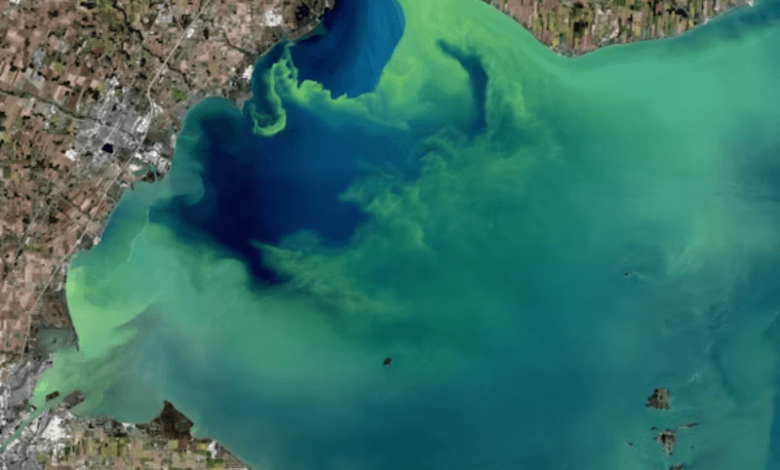
Every year, huge portions of Lake Erie look like a bright, toxic green. These algal blooms, threatening not just water quality but also the local economy, can be seen from orbit. The causes, naturally, range from climate change to pollution, but a new culprit, not so obvious, is lately being pointed at by researchers.
It’s Not a Stranger to the Region: Algae Bloom Issues in Lake Erie
Algae have been present in Lake Erie, but the extent of the problems, especially the toxic nature, has become more pronounced in the past few decades,” Willis Bouyer, founder of Michigan Environmental Education Information Consortium, explained. “The seriousness of this problem has been recognised
What are Toxic Algal Blooms?
Toxic algal blooms are formed as a result of the rapid growth of a colony of cyanobacteria in a nutrient-rich body of water. In Lake Erie, algal blooms emit microcystins that are harmful toxins capable of polluting tap water and harming the livers of humans as well as animals.
In 2014, a major algal bloom caused the City of Toledo in the state of Ohio to cut off the water supply for nearly half a million people.
The Unexpected Culprit: Modern Agriculture
Although sewage and industrial waste were the main sources of pollution mentioned in the past, current studies indicate that agricultural runoff has become the main source of the algal blooms that are now considered toxic to Lake Erie.
Farming, as it is practiced nowadays, requires phosphorus-enriched fertilizers. When high rainfall occurs, as it has been happening with increased frequencies, the nutrients wash away and enter the rivers that feed Lake Erie. Dissolved phosphorus, as already mentioned, fuels algal development.
Ironically, the farming that occurs on these land masses is of the “no-till” type in an effort to protect the soil. Yet it maintains a level of phosphorus close to the surface that can be reached by the rains and make its way into the bodies of water. This sort of phenomenon is observable in a freshwater environment.
Climate Change Makes Matters Worse
Climate change acts as an amplifier. Warmer lake temperatures extend the growing season for algae, while intense storms increase nutrient runoff. Lake Erie’s shallow western basin heats up quickly, creating ideal conditions for explosive blooms.
As a result, according to environmental monitoring agencies, bloom severity now depends not just on how much fertilizer is used, but when and how it enters the lake. This makes mitigation far more complex than simply reducing fertilizer application.
Lake Erie Algal Bloom Drivers at a Glance
| Factor | Impact |
| Agricultural runoff | Primary source of phosphorus |
| Climate change | Warmer water, heavier rainfall |
| Shallow lake depth | Faster algal growth |
| Farming practices | Increased surface nutrient loss |
| Urban water systems | Vulnerable to contamination |
Conclusion
The Lake Erie crisis makes it painfully clear that a major truth about the environment is that it is too often endangered by systems that are optimised for efficiency rather than for sustainability. The surprise here in the algal blooms in Lake Erie is that the problem isn’t caused solely by one industry that needs to be regulated in the usual way. Rather, the root of the problem lies in the way that contemporary agriculture and a changing climate.
To solve this problem, it is going to take collective action ranging from smarter fertiliser use to climate-resilient agriculture and enhanced protection for water.” The future of Lake Erie could hold the key to protecting society’s water resources in a warming climate.
FAQs
1. Why do toxic algal blooms happen in Lake Erie?
The main reason for this phenomenon is the phosphorus-laden flow of water from agricultural land due to the impact of climate change.
2. Why do blooms on Lake Erie continue to worsen?
Higher temperatures and rainfall amounts lead to optimal conditions for algal development.
3. Can toxic algal blooms be harmful to humans?
Yes. They might infect drinking water and lead to serious health problems.
4. Can farming practices mitigate algal blooms?
Nutrient management practices, buffer strips, and the timing of fertiliser application may make a substantial difference.
5. Is Lake Erie the only lake being impacted?
No. Similar problems with algal blooms are being found in freshwater lakes globally.