Urban Waste Management Reform in Lagos: Can Recycling Scale Up?
Discover how the Lagos waste management reform is transforming the city. Explore modern urban waste solutions and the future of recycling in Lagos.

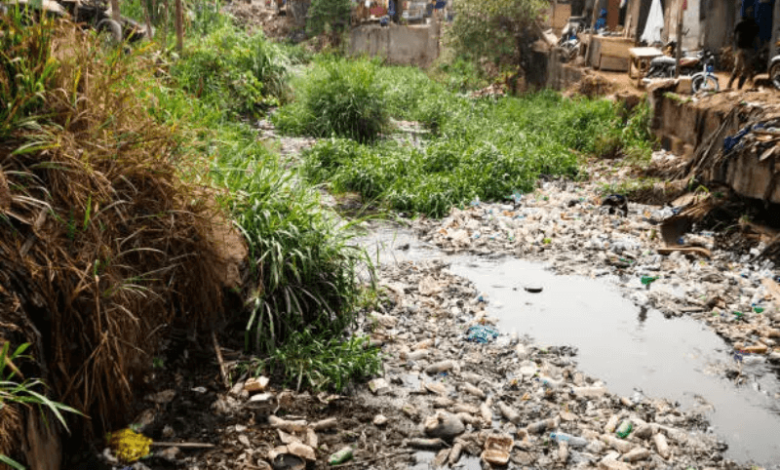
Lagos, which is one of the fastest-growing megacities in Africa, produces more than 13, 000 metric tonnes of waste in a day. To manage this huge bulk, there must be a monumental change in the way things used to be disposed of to the most sustainable ways. The ongoing Lagos waste management reform aims to transition the bustling city from an outdated linear “take-make-dispose” system to a robust, highly efficient circular economy. However, are these high-optic eco-friendly initiatives really able to go big enough to accommodate the fast-growing demographic needs of the city?
The Core of Lagos Waste Management Reform
This change process is supported by the Lagos Waste Management Authority (LAWMA). The government is on a crackdown against indiscriminate dumping by insisting on community-based collection and by stringent laws on sanitation. As an example, the non-compliance of thousands of violators was recently prosecuted by the authorities, which evidences of non-tolerance to environmental degradation and sets a new reference point in urban hygiene.
Implementing Urban Waste Solutions Effectively
To ensure these policies succeed, modern urban waste solutions are being deployed across the metropolis. Governments are developing state-of-the-art material recycling plants and are developing regional waste-to-energy plants. These plants will shift up to 10000 tonnes of daily waste to productive applications. New financial forecasts show that switching to a structured circular economy has the potential to open up to 2.5 billion yearly to the state in essential work and in green innovation.
Driving the Future of Recycling in Lagos
While the economic potential is massive, scaling up recycling in Lagos heavily depends on widespread public participation. LAWMA is actively promoting source separation in which residents should be encouraged to sort plastic, paper and organic debris and dispose of them individually. The state also considers special biogas facilities based on the zero-waste model in other parts of the world to fuel municipal transit in cooperation with international partners.
Overcoming Challenges in the Lagos Waste Management Reform
Regardless of these positive interventions, there still exist massive hurdles and bottlenecks. Irregular dumping by the players in the private sector (PSPs) and general negligence by the citizens usually contributes to unlawful roadside dumping in the various neighborhoods. The state government is actively broadening its control mechanisms in order to counter this frustrating trend. They are rescinding the agreements of operators who are constantly performing poorly and using real-time public reporting. The citizens are urged to report violations directly to the formal LAWMA outlets. By means of sustained advocacy, infrastructural investment and intense enforcement, the city is preparing a cleaner self-sustainable urban future.
FAQs
1. What is the primary focus of the Lagos waste management reform?
The reform aims to transition the city from a linear waste disposal system to a circular economy, emphasizing recycling, waste-to-energy projects, and strict environmental enforcement.
2. How does recycling in Lagos benefit the local economy?
Proper waste sorting and recycling can unlock an estimated $2.5 billion annually, creating green jobs, providing raw materials for industries, and generating biogas for public transport.
3. What are the main urban waste solutions being introduced?
Key solutions include the establishment of material recovery facilities, community recycling hubs, the deployment of smart bins, and strict oversight of Private Sector Participation (PSP) operators.
4. How can residents report illegal waste dumping in Lagos?
Citizens can report environmental infractions by contacting the Lagos Waste Management Authority via their official toll-free lines or through direct messages on their verified social media platforms.