One Hour Of Rain, Hours Of Chaos: Why Kolkata Waterlogs So Quickly
Why does Kolkata flood so quickly? Choked drains, shrinking canals, and aging drainage systems mean even one hour of rain can trigger massive traffic jams.

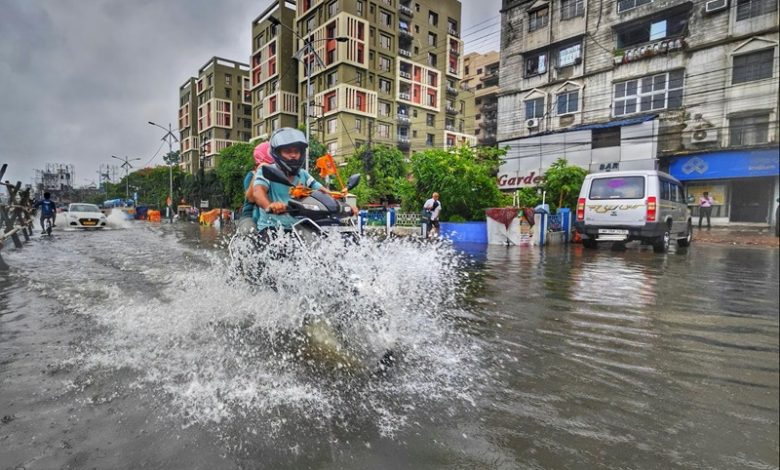
Kolkata doesn’t need a day-long cloudburst to stall, sometimes a sharp, one-hour spell is enough to flip roads into shallow rivers. The reason is less “too much rain” and more “too little room to move it”: stormwater lines clogged with silt and garbage, canals narrowed by encroachment, and low-lying neighbourhoods that sit below high-tide levels. Add a busy workday, and waterlogging becomes a fast-moving chain reaction; traffic freezes, pumps choke, and water backs up into lanes and homes.
How Silt, Choked Outfalls, And Encroachment Make Water Rise In Minutes
Kolkata’s drainage network is old, layered, and heavily dependent on pumping stations and outfall canals to push rainwater out, especially when tides in the Hooghly are high. When drains are silted, their carrying capacity drops sharply, so even moderate rain overwhelms the system and water surfaces first at familiar “bowls” across the city. KMC has repeatedly leaned on round-the-clock pump operations, sewer-cleaning gangs, and portable pumps in vulnerable pockets, but the real enemy is blockage at the very start (local drains) and the very end (outfall canals).
What makes the situation trend from “annoying” to “dangerous” is the speed: once water stagnates, traffic piles up, manholes overflow, and electrical hazards multiply. A recent reminder came during heavy-rain episodes when waterlogging coincided with electrocution deaths—an ugly overlap of poor drainage and unsafe street-level infrastructure. Here’s an official news post capturing that urgency.
The Canal Problem Kolkata Can’t Ignore
Silted drains are only half the story; the other half runs through the canals. When canal banks get encroached; by warehouses, informal structures, or “temporary” extensions—dredging machines can’t reach stretches that desperately need clearing. The result is a narrower, slower canal that can’t take the surge when drains discharge into it. The Beleghata (Beliaghata) canal has repeatedly been flagged for reduced carrying capacity and flood risk, and officials have talked about removing illegal structures precisely because water has nowhere to go.
A “Five-Hour Dry Street” Promise Meets Reality
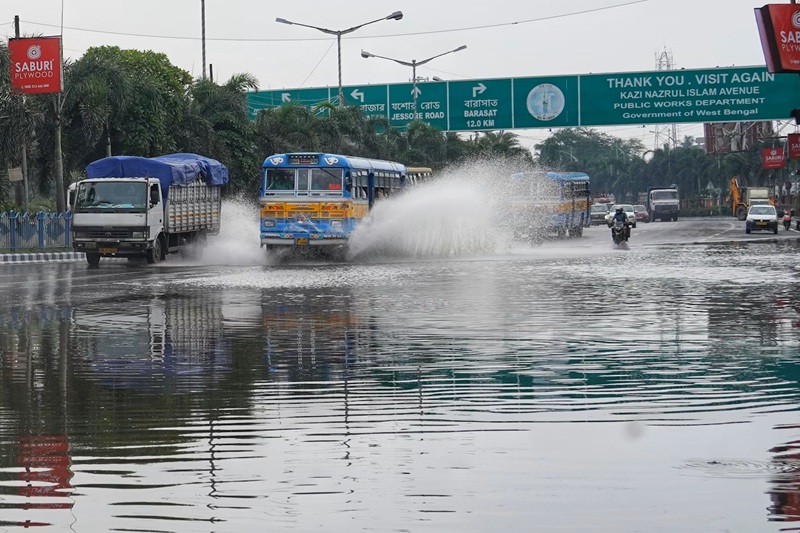
The city has promised faster clearing, draining streets within hours after rain stops—yet added areas without robust underground drainage still lag. In practice, one hour of rain can trigger five hours of gridlock if silt, plastic, and canal chokepoints stack up.
FAQs
1. Why does Kolkata flood even after short rains?
Silt, garbage, and bottlenecked canals reduce capacity; pumps can’t beat backflow quickly enough.
2. Do encroachments really affect waterlogging?
Yes, they block dredging access and narrow canals, slowing discharge exactly when flows peak.
3. Which places waterlog first and why?
Low-lying bowls near old drains, junctions, and outfalls flood first due to backpressure.
4. Is high tide linked to waterlogging?
High tide raises river levels, making outfalls sluggish, forcing pumps to work harder longer.
5. What’s the quickest fix residents can support?
Keep inlets clear, report blocked gullies fast, and push for canal dredging without obstruction.