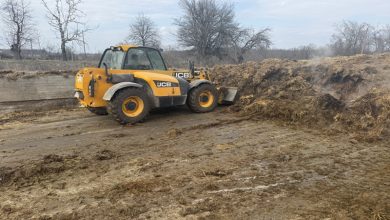

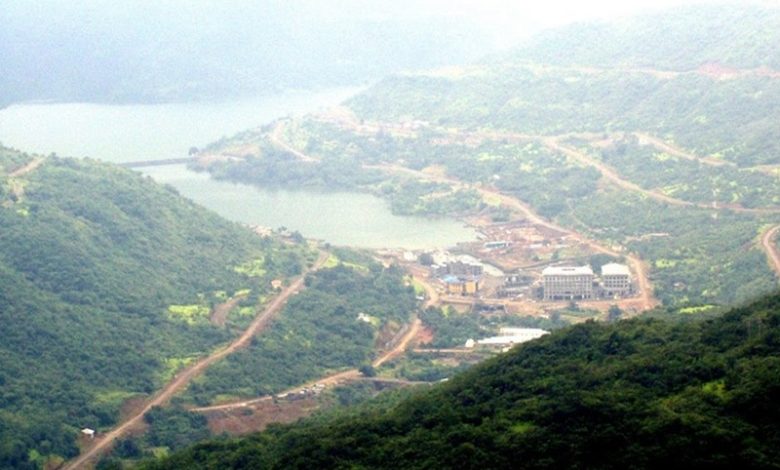
Kodagu’s hills have always looked permanent, but their stability depends on something surprisingly fragile: intact slopes, deep-rooted vegetation, and rainwater moving slowly through soil. That balance is under sharper pressure now. Fresh opposition to a proposed villa project near the Bittangala–Balugodu road reflects wider anxiety in the district that aggressive hill construction, slope cutting, and road expansion are pushing a rain-soaked landscape beyond its limits. Protesters have specifically warned about ecological damage near sensitive forested stretches linked to Brahmagiri and surrounding habitats.
Why Cut Slopes And Broken Green Cover Matter More In Kodagu
Kodagu is not just scenic highland; it is part of the Western Ghats, where steep terrain, intense monsoon bursts, and biodiversity coexist in a delicate arrangement. When hills are cut for villas, roads, or commercial layouts, the first casualty is slope integrity. Excavated faces expose loose material, alter drainage paths, and reduce the soil’s ability to absorb heavy rain. In a district already marked by destructive landslides and flood damage, that is not a theoretical risk. Scientific work on Kodagu has linked land-use change, altered hydrology, and slope disturbance to worsening disaster vulnerability.
Fragmentation Is The Quiet Damage
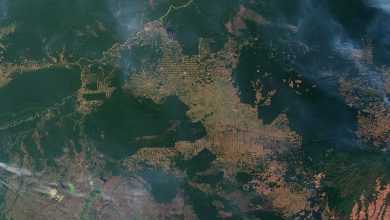
The more subtle change is fragmentation. A hill may still look green from a distance, yet broken patches of tree cover behave very differently from continuous vegetation. A 2019 study on proposed linear development in Kodagu warned that expanding alignments could cause an 8% forest-cover loss with irreversible landscape impacts. That matters because connected green cover slows runoff, anchors soil, supports wildlife movement, and cushions streams during extreme rainfall. Once construction slices the land into isolated pockets, even surviving vegetation becomes less effective ecologically. Related Instagram Coverage By The Kodagu Express .
Runoff Pressure Is The Fastest Consequence
Runoff is where all these changes converge. When slopes are terraced badly, paved excessively, or stripped of understory growth, rainwater stops soaking in and starts racing downhill. That surge can choke streams with silt, undercut roads, overload culverts, and intensify flash flooding downstream. Recent resistance to a road proposal through Pushpagiri Sanctuary and protests against new projects in Kodagu show that residents increasingly see development and drainage as inseparable issues, not separate debates.
Kodagu still has time to choose differently. Construction here cannot copy flatland logic. Every retaining wall, driveway, resort cut, and widened road must be judged against rainfall, slope science, forest connectivity, and downstream water behaviour. Otherwise, the district may keep its postcard beauty in fragments while losing the ecological systems that made that beauty possible in the first place.
FAQs
1. Why Are Cut Slopes Dangerous In Kodagu?
They weaken hillsides, disturb drainage, loosen soil, and increase landslide chances during intense monsoon rainfall events.
2. How Does Fragmented Green Cover Affect Ecology?
Broken forests reduce soil binding, disrupt wildlife movement, lower infiltration, and make slopes hydrologically unstable.
3. Why Is Runoff Pressure A Serious Concern?
Faster runoff causes erosion, stream siltation, culvert overload, road damage, and stronger downstream flash flooding.
4. Are Current Projects Facing Public Opposition In Kodagu?
Yes, recent protests have targeted villa construction and sensitive road proposals near forested ecological zones.
5. What Kind Of Development Is Safer For Kodagu?
Low-impact, slope-sensitive construction with drainage planning, tree retention, minimal cutting, and strict ecological clearances.