Storm Pattern Behind Kochi’s Sudden Pre-Monsoon Floods
Kochi’s sudden inundation shows how pre-monsoon storm bursts, poor drainage and shifting weather systems trigger flash flooding in Indian cities before monsoon begins.


Kochi didn’t need a “monsoon day” to look like one. A short, sharp burst of rain can still turn MG Road and other low pockets into ankle-deep chaos, because pre-monsoon weather is built for surprise. In late February, even local officials were pointing at how quickly water backed up on key stretches, with shops affected and traffic disrupted after a night of heavy rain.
Why Pre-Monsoon Rains Can Flood Cities In Minutes
Pre-monsoon flooding is usually a “two things hit together” problem: (1) fast-growing thunderstorms that dump intense rain in a short window, and (2) city surfaces and drains that can’t swallow that volume quickly enough.
On the weather side, this season often brings humid air, high daytime heat, and sudden triggers like cyclonic circulations or troughs. The IMD’s late-February updates described active systems over the Bay of Bengal and nearby regions that help pull moisture and energise thunderstorms over south India, including Kerala.
On the city side, flooding is rarely just “too much rain.” It’s blocked inlets, silted canals, encroached drainage lines, and roadwork that quietly changes how water flows. Kochi’s own civic inspection after the waterlogging flagged inadequate drainage openings and even alleged that footpath work and sludge buildup worsened runoff paths, forcing water onto roads and into shops.
Kochi’s “Sudden Inundation” Recipe: Intense Bursts + Choked Outlets
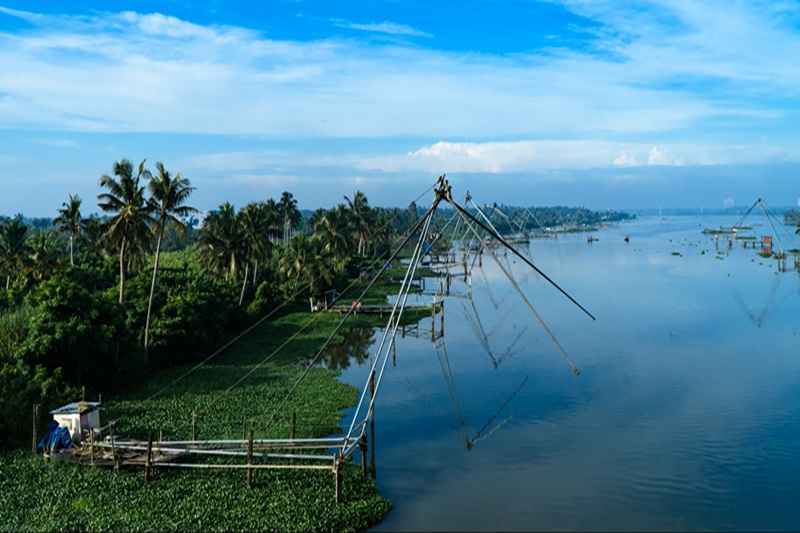
Kochi is low-lying in many parts, close to backwaters, and heavily paved. So when a thunderstorm unloads fast, water has fewer places to go. The result is what people experience as “flash flooding” even without a river overflowing: junctions fill first, then the water spreads outward, and your commute collapses in real time.
That’s why local responses often focus on micro-fixes that sound boring but matter: culverts, inlets, desilting access, and coordination between agencies. Kochi Corporation’s move to rebuild a culvert and push for clearances is basically an admission that small bottlenecks can flood a whole commercial spine.
The Bigger Storm Pattern Indian Cities Are Seeing Before The Monsoon
Across Indian cities, the pre-monsoon pattern looks similar: hotter afternoons, sticky humidity, and sudden evening or overnight storms. IMD notes around this period also mentioned thunderstorms and heavy rain at isolated places in Kerala tied to broader synoptic features. The trend that worries planners is not “more rainy days,” but more short, high-intensity spells landing on clogged drains.
FAQs
1. Why do pre-monsoon storms flood cities so fast?
They dump intense rain quickly, while drains clog, roads seal soil, and runoff spikes.
2. Is Kochi more flood-prone than other cities?
Low-lying pockets, backwater proximity, and drainage bottlenecks make short storms feel extreme.
3. What weather triggers these sudden downpours?
Heat, humidity, sea-breeze convergence, and cyclonic circulations or troughs can spark thunderstorms.
4. Can one blocked inlet really flood a whole road?
Yes. A few choke points can backflow water across junctions, shops, and basement entries.
5. What’s the fastest practical fix before monsoon?
Clear inlets, desilt canals, restore culverts, and stop construction debris from entering drains.