Cleanups Fail As Kochi Backwater Plastic Drift Grows
Kochi Backwater Plastic Drift returns after every cleanup. The real issue lies in waste leakage, poor segregation, and missing source control systems upstream.

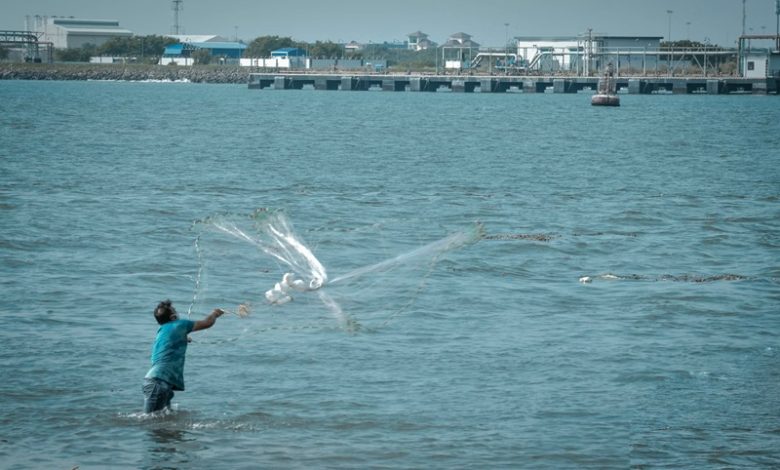
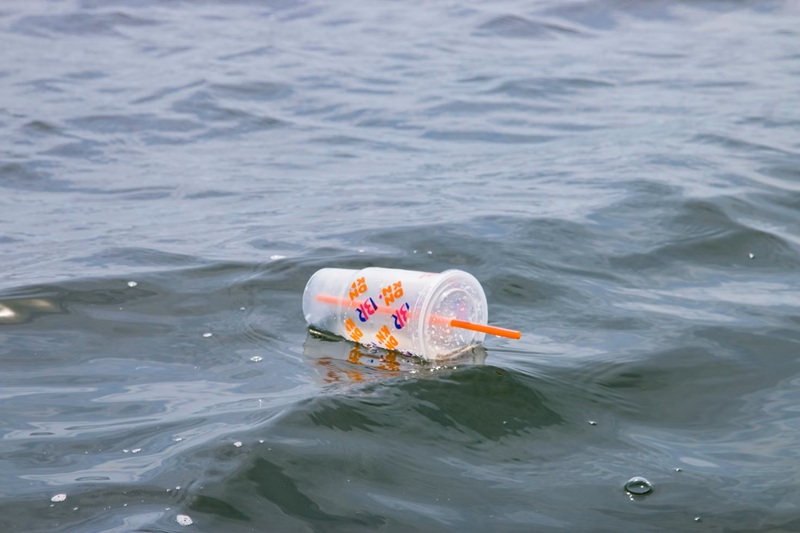
Kochi’s backwaters can look postcard-calm in the morning, then turn into a slow conveyor belt of bottles, multilayer wrappers, and thermocol by evening. A cleanup makes the surface shine for a day, photos go up, and within the next tide or rain pulse the same stretch fills again. The uncomfortable truth is simple: we keep treating the water like the problem, when the problem starts on land.
The Drift Problem Is A Land Problem Wearing A Water Mask
Most of the plastic you see floating near Fort Kochi, Vypeen-side edges, and feeder canals is “drift” waste, not litter dropped at that exact spot. It moves through drains and canals, then spreads with wind, boat wakes, and tidal push. District officials have even flagged how plastic entering canals via culverts can choke flow and force repeated clearing work.
Kochi has no shortage of volunteers. Students have turned kayaking into weekly collection runs, pulling bags of trash out of the same backwater pockets again and again. Fishers up the coast have also shown what consistent retrieval looks like, returning with plastics snagged in nets instead of tossing it back to sea. These stories trend because they’re hopeful, but they also expose the loop: heroic effort, then fresh inflow.
Here’s where cleanups lose the battle. When households and shops don’t segregate properly, recyclables get contaminated and become “reject” waste, which is harder and costlier to process. In Ernakulam, reporting has pointed to a major segregation gap that turns most collected non-biodegradable waste into rejects. If the upstream stream is dirty, the downstream cleanup is just bailing water.
Source Control Means Blocking, Sorting, And Paying For The Mess
Source control is not a slogan. It is three boring moves done daily: stop leakage into drains, segregate at the doorstep, and make producers share the cost. Kerala’s Suchitwa Mission has been direct about protecting water bodies from plastic waste . Practical tools already exist: Haritha Karma Sena-style collection for dry waste and better sorting streams, supported under state waste-management missions.
The next fix is less glamorous than a mass cleanup: trash booms at key canal entries, strict checks on market packaging leakage, and enforcement that makes dumping expensive, not convenient. Pair that with city-scale behaviour work like Heal Kochi’s solid-waste push, and the backwaters finally get a chance to stay clean, not just look clean on event day.
What Actually Changes The Next Week
If you want results that last past Sunday, watch the upstream indicators: segregation compliance, dry-waste pickups, and drain-entry barriers after rains. Cleanups still matter, but only as audits. They show what escaped the system. Source control is the system.
FAQs
1. Why does plastic keep returning after cleanups?
Because drains, canals, and tides keep delivering new waste from upstream dumping and poor segregation.
2. What is “source control” in simple terms?
It means stopping plastic before it reaches water, using segregation, regular pickups, and strict enforcement.
3. Which wastes cause the worst drift in backwaters?
Light packaging, PET bottles, and thermocol float far, break down fast, and clog canal edges.
4. Do volunteer cleanups still help at all?
Yes, they remove hotspots and reveal leak points, but they cannot replace daily waste systems.
5. What can local bodies do quickly?
Install trash booms, repair drain screens, improve pickups, track offenders, and penalise repeat dumping consistently.