40°C In March Signals Early Summer And Karnataka Heatwave Risk
Bengaluru inches toward 40°C in March while North Karnataka faces rising heatwave risk. Clear skies, dry air, and early summer signals raise concern across the state.

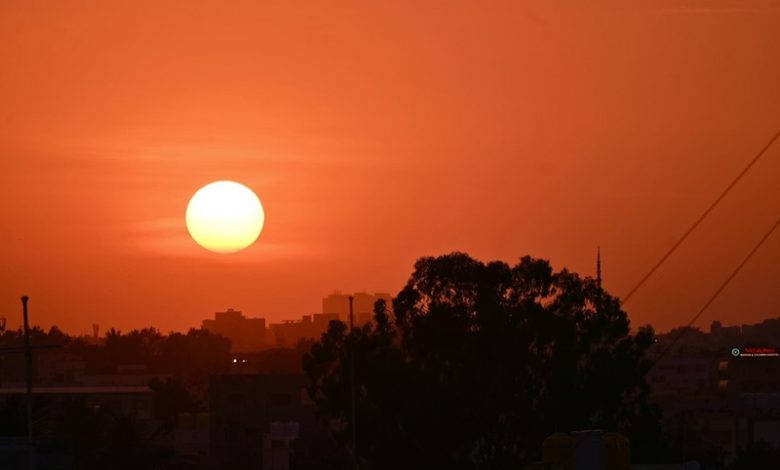
March is supposed to feel like a slow warm-up in Bengaluru, not a full-volume summer teaser. Yet the city is flirting with unusually high daytime heat, while parts of North Karnataka are already brushing 40°C. What’s rattling people is not just the number on the weather app. It’s the “March shouldn’t feel like May” vibe, plus harsher sun and drier afternoons that hit faster than expected. Recent advisories and outlooks from IMD-linked channels and Karnataka’s state monitoring updates are also pointing to a hotter-than-normal stretch as the season builds.
What’s Pushing The Heat So Early This Year
The short version: clear skies, dry air, and a heat-trapping setup are arriving earlier than usual. When cloud cover stays low and rainfall stays missing, the ground heats up quickly through the day and doesn’t “reset” as well. IMD’s hot-weather-season planning and heatwave framework treats this March-to-May window as the ramp-up period, which is exactly when early spikes can signal a tougher peak later.
Bengaluru’s case is a bit sneaky. Even when the official maximum is in the low-to-mid 30s, the city can feel sharper because of intense sunlight, lower afternoon humidity, and built-up surfaces holding heat. Add high UV readings being reported unusually early, and the outdoors starts feeling punishing by late morning, especially on wide roads and concrete-heavy corridors.
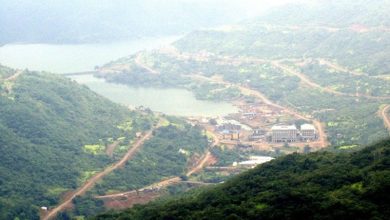
Now zoom out to North Karnataka. Interior districts heat faster because they’re farther from coastal moderation, and dry conditions allow temperatures to climb hard through the afternoon. IMD’s regional bulletins for North Interior Karnataka have also been flagging dry spells and rising maximums, which is the classic runway for heatwave risk.
North Karnataka’s Heatwave Risk Is The Real Headline
This is where the “40°C in March” chatter becomes serious. When early-March highs start touching late-summer territory, it raises the odds of more frequent heatwave days later in the season. Karnataka’s disaster monitoring channel shared IMD’s March–May outlook publicly, and the messaging is basically: treat this as an early warning, not a one-off hot day.
The Early-Summer Signal: What People Should Watch Next
Watch three things: (1) multi-day stretches of above-normal maximums, (2) very warm nights that reduce recovery, and (3) persistent dry forecasts. If these stack up, the risk shifts from “hot afternoons” to “health-impact heat.” IMD’s heatwave guidance is built around these patterns, not one dramatic reading.
FAQs
1. Is Bengaluru really hitting 40°C, or is it “feels like” heat?
Mostly “feels like”; official highs often lower, but sun and dry air amplify discomfort.
2. Which North Karnataka areas face higher heatwave risk first?
Interior districts heat fastest; dry spells and clear skies raise daytime peaks early in the season.
3. Why does March heat matter for April and May?
Early spikes suggest longer hot spells later, with higher heatwave frequency potential ahead.
4. What signs mean heat stress risk is rising?
Hot days, warm nights, low wind, and persistent dryness signal increasing heat stress risk.
5. What’s the simplest safety step during extreme afternoons?
Avoid 12–4 pm sun, hydrate often, and wear light cotton with covered arms.