
A New Energy Map: Japan Pivots To Nuclear And Renewables For Stability
With Japan Pivots To Nuclear And Renewables To Reduce Fossil Fuel Dependency, the energy map shifts toward cleaner power, steady output and reduced market volatility.

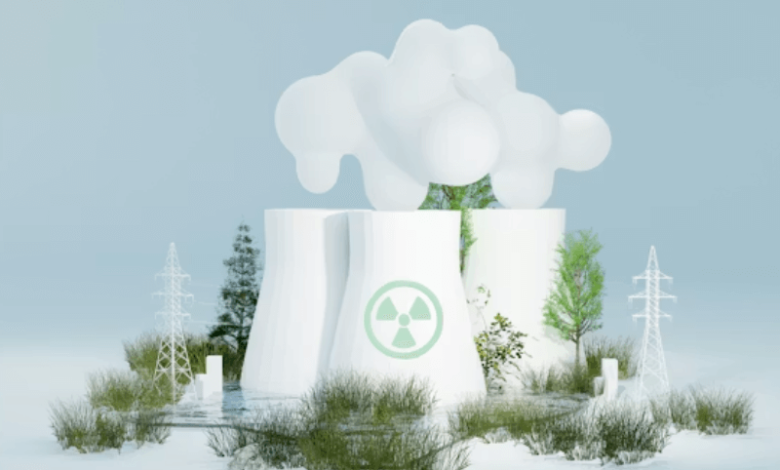
Japan’s energy plan is changing speed. Nuclear is getting a second look, and renewables are getting bigger budgets and tighter deadlines. The goal reads plain: reduce fossil fuel dependency and cut risk around fuel imports. Policy voices call it energy security, while utilities call it stable supply. Some citizens call it uncomfortable, and that part is real. Still, the direction is set.
Japan’s Fossil Fuel Dependency: How the Issue Emerged
After the Fukushima disaster, nuclear output fell hard, and thermal power filled the gap. That meant more LNG, coal, and oil in the electricity mix, and more exposure to global price jumps. It also meant power companies had fewer options during tight supply seasons.
A few things built the problem over time:
- Bigger import bills during high-price periods
- Higher sensitivity to shipping disruptions
- Slower emissions cuts in the power sector
- Long-term contracts locking in fuel needs
Feels strange sometimes, seeing a country known for efficiency stuck with such a costly habit.
Nuclear Energy’s Return as a Core Part of Japan’s Power Mix
Reactor restarts have moved back into the main policy lane. Regulators still demand upgrades and strict checks, yet the political mood has shifted. Nuclear now gets framed as a domestic, low-carbon source that keeps the grid steady when demand spikes.
Utilities have also pushed the message that nuclear reduces gas burn during peak hours. That is the argument, anyway. Opposition remains, especially around safety, evacuation planning, and trust in oversight. And that tension does not go away just because a cabinet statement says so.
Japan’s Renewable Energy Expansion and New Investment Push
Renewables are not being treated as a side dish. Solar remains widespread, and newer focus sits on offshore wind, storage, and better transmission links. The grid is the real fight. Developers can build panels fast, but power lines and substations do not move at that pace.
A short list of areas getting attention:
- Offshore wind auctions and port infrastructure
- Battery storage to manage evening demand
- Rooftop solar expansion in dense cities
- Grid reinforcement in regions with high renewable output
And yes, paperwork still slows projects. That part is classic.
How Nuclear and Renewables Together Reduce Fossil Fuel Use
Japan’s planners are betting on a simple logic. Nuclear can run as a steady supply. Renewables can push down fuel use during sunny and windy hours. Together, they can cut reliance on gas and coal units that swing up and down.
One power sector executive described it as “less fuel buying, more domestic generation,” said during a recent industry briefing. The point lands, even if the tone irritates some people. The system still needs flexible backup, but the base demand can shift away from thermal plants as capacity rises.
Key Challenges in Japan’s Energy Transition
The hard parts sit in public acceptance, grid limits, and project timelines. Nuclear restarts face legal challenges and local resistance. Renewables face curtailment in some regions when supply outpaces grid capacity.
Main hurdles being discussed:
- Community consent and safety trust around nuclear sites
- Renewable curtailment during high generation periods
- Slow transmission expansion and local permitting delays
- Costs tied to storage, upgrades, and resilience measures
But the toughest piece might be coordination. Agencies, utilities, and local bodies do not always pull the same rope.
Regional and Global Impacts of Japan’s Energy Pivot
Japan’s fuel demand affects regional markets, especially LNG. If nuclear output rises and renewables expand as planned, incremental LNG buying could soften in some seasons. That matters to suppliers across the Asia-Pacific.
The pivot also reshapes energy diplomacy. Japan is active in clean-tech supply chains, offshore wind equipment sourcing, and hydrogen discussions. Neighbours watch closely, partly for climate policy signals, partly for trade reasons. And there is pride involved too, even if nobody says it out loud.
Japan’s Projected Energy Mix by 2040
Policy planners have discussed a future grid with a higher nuclear share and a larger renewable share than the current decade. Exact splits depend on restarts, new build decisions, and grid upgrades. Still, the direction is consistent.
| Power Source | 2040 Direction | What Drives the Change |
| Nuclear | Higher | Restarts, lifetime extensions, stable output needs |
| Solar & Wind | Much higher | Costs, policy targets, corporate demand |
| Hydro & Biomass | Steady to slightly higher | Site limits, steady output value |
| Gas & Coal | Lower | Cost pressure, emissions policy, reduced import appetite |
So the mix looks less fuel-heavy, even if thermal plants remain on standby.
A Balanced and Pragmatic Path to Energy Security
Japan Pivots To Nuclear And Renewables To Reduce Fossil Fuel Dependency because the old setup left little room during fuel shocks. Nuclear restarts promise steadier supply. Renewables promise cheaper marginal power once built. The plan is not neat. Public trust still matters, grid work still drags, and curtailment issues still annoy project owners. Yet the direction seems locked in, with agencies and utilities treating the shift as necessary, not optional. Some will argue with the method, but the motive is clear. That’s how it reads right now.
FAQs on Japan’s Nuclear and Renewable Energy Strategy
1) Why is Japan restarting nuclear reactors again after years of caution?
Japan seeks steadier domestic supply and lower fuel exposure, while meeting emissions targets under tighter timelines.
2) How fast can renewables cut Japan’s fossil fuel dependency in the power sector?
Progress depends on grid upgrades, storage buildout, and faster approvals, not only new solar and wind capacity.
3) What is the biggest obstacle facing renewable expansion in Japan right now?
Grid congestion and curtailment risks create uncertainty, and developers struggle with long permitting and connection queues.
4) Does higher nuclear output reduce LNG imports in a noticeable way?
Higher nuclear generation can reduce gas burn during peak demand seasons, though backup gas capacity still remains.
5) What does the 2040 energy mix change mean for households and businesses?
A lower fossil share can stabilise price swings, but upgrade costs may surface in tariffs during transition years.