The Real Story Of Jaipur Water Tanker Economy In Heat
Every summer, Jaipur Water Tanker Economy expands fast. Limited municipal supply fuels higher rates, middlemen, and urgent tanker bookings across neighborhoods.

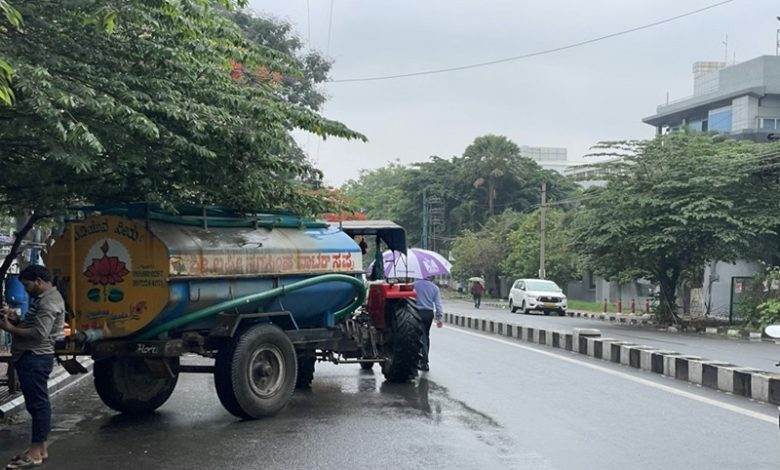
Jaipur doesn’t “run out” of water in one dramatic moment. It slips into scarcity lane by lane. A short municipal supply window, weak pressure on upper floors, salty borewell water in pockets, and one hot week that pushes everyone to store extra, that’s enough to flip the switch. Once that happens, the city’s tanker economy stops looking like a backup plan and starts behaving like a marketplace with its own pricing, commissions, delivery priorities, and daily negotiations.
In recent summers, residents across multiple wards have described the same routine: early-morning queues, water timing cut too tight to fill storage properly, and then the phone calls begin. If a family has a function at home, if a kid is sick, if a building’s underground tank is empty, the “tanker number” becomes more important than the local shop number. That urgency is exactly what builds a parallel market.
How The Tanker Market Becomes The City’s Unofficial Water Grid
When piped supply turns unreliable, tankers become the “last mile delivery” of water, except the price is not stable. Jaipur’s administration has periodically tried to monitor private tanker rates because the summer spike can be sharp. Reports have noted 4,000-litre tanker prices jumping from the expected band into much higher summer quotes, sometimes touching four figures depending on locality and demand.
Then comes the messy part: who gets served first. In many neighbourhoods, supply is not purely first-come-first-serve. It can depend on how well you know the supplier, whether your street is “easy access,” whether you pay extra for same-hour delivery, and whether your building can take a bigger load at once. That’s where middlemen show up, not always as “criminals,” sometimes just as the local fixer who knows which driver is free and which hydrant is working today.
The Summer Price Ladder And The “Urgency Premium”
The parallel market isn’t only about “higher price.” It’s about layered pricing. One quote for daytime delivery, another for night delivery. One for a narrow lane, another if the vehicle has to reverse for 200 metres. One for “normal water,” another if the buyer insists on a particular source.
And because many households can’t verify the source, trust becomes a commodity. People often pay more to the supplier they used last year, even if the quote hurts, because a missed delivery means no bathing, no cleaning, and sometimes no functioning toilets in apartments. This is why even when officials talk about monitoring rates, ground reality still bends toward whoever can deliver fastest.
Why Enforcement Keeps Slipping Behind
Monitoring tanker prices is hard when demand spikes daily, and supply routes change with local complaints, hydrant access, and traffic. Add the city’s heat patterns and falling local groundwater in some pockets, and tanker demand becomes the most responsive system available, even if it’s expensive.
For an “official handle” view of how the system is framed publicly, residents often track updates from PHED and state bodies, including PHED Rajasthan’s official presence here: PHED Rajasthan On X.
FAQs
1) Why do tanker prices rise so fast in Jaipur summers?
Demand spikes daily, supply stays limited, and urgent delivery adds an extra premium quickly.
2) Is the tanker market fully unregulated in Jaipur?
No, monitoring happens sometimes, but enforcement struggles during peak demand and shortages.
3) What size tanker is commonly discussed in Jaipur rate disputes?
Many reports cite 4,000-litre tankers as a common benchmark for price comparisons.
4) Why do middlemen exist in the tanker system?
They connect drivers, routes, and timings fast, especially when households panic-buy water.
5) What makes apartment buildings more dependent on tankers?
Low pressure, short supply windows, and high storage needs make apartments vulnerable quickly.